Listen to this Post
Introduction:
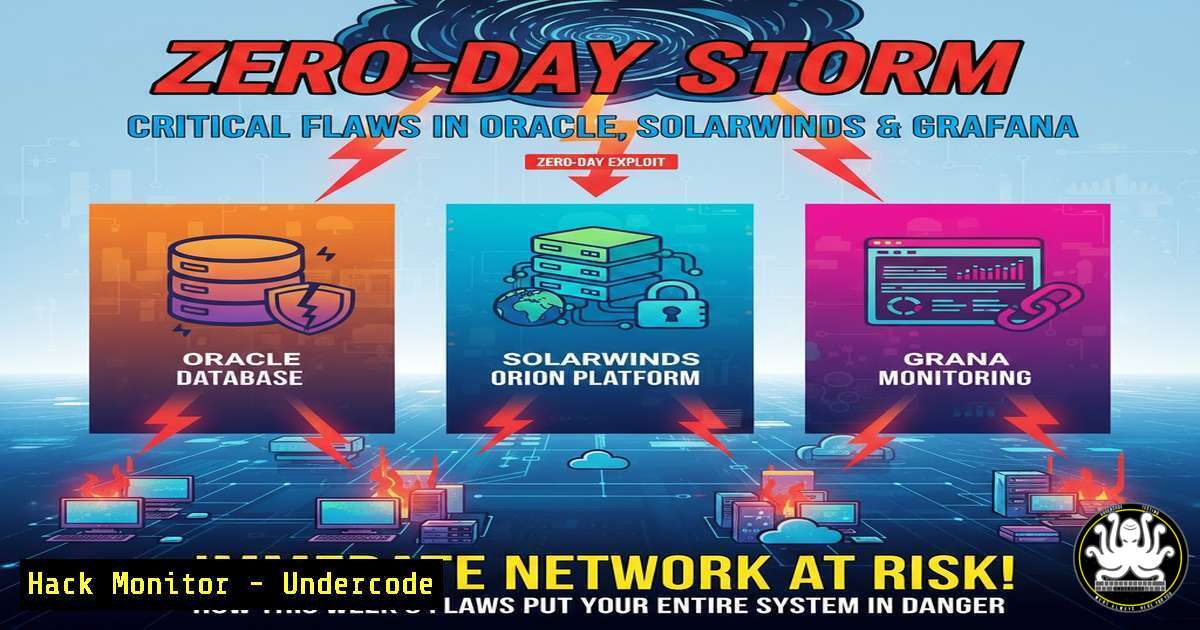
The cybersecurity landscape has been rocked by an unprecedented convergence of critical vulnerabilities affecting enterprise systems worldwide. With active exploitation already underway for Oracle Identity Manager and severe flaws in SolarWinds Serv-U, organizations face immediate operational threats that demand urgent patching and security hardening. This perfect storm of vulnerabilities across identity management, file transfer, and monitoring platforms creates multiple attack vectors that threat actors are actively weaponizing.
Learning Objectives:
- Understand the technical specifics and exploitation mechanisms behind this week’s critical vulnerabilities
- Implement immediate mitigation strategies for Oracle Identity Manager, SolarWinds Serv-U, and Grafana systems
- Develop proactive hardening procedures for identity and access management infrastructure
You Should Know:
1. Oracle Identity Manager RCE Exploitation
The Oracle Identity Manager vulnerability represents one of the most severe threats currently being exploited in wild. This critical remote code execution flaw in the core IAM platform allows attackers to bypass authentication mechanisms and execute arbitrary code on affected systems, potentially compromising the entire identity management infrastructure of an organization.
Step-by-step guide explaining what this does and how to use it:
Immediate Mitigation Steps:
- Identify affected Oracle Identity Manager versions through Oracle’s critical patch update advisory
- Apply the emergency patch immediately through Oracle’s standard patching mechanism
- Implement network segmentation to restrict access to OIM administration interfaces
- Enable detailed logging and monitor for suspicious authentication attempts
Detection Commands:
 Check for suspicious Java processes related to OIM
ps aux | grep -i oracle | grep -E "(weblogic|oim)" | grep -v grep

Monitor OIM logs for exploitation attempts
tail -f $OIM_HOME/server/logs/.log | grep -E "(Exception|Error|Authentication)"

Network monitoring for exploitation patterns
tcpdump -i any -A 'host <OIM_SERVER> and port 80 or port 443' | grep -i "oracle"
2. SolarWinds Serv-U Critical Vulnerability Chain
Two critical vulnerabilities in SolarWinds Serv-U create a perfect attack chain allowing complete server compromise. These flaws enable privilege escalation and remote code execution through the file transfer service, potentially giving attackers full control over affected Serv-U instances and underlying Windows systems.
Step-by-step guide explaining what this does and how to use it:
Emergency Hardening Procedures:
- Immediately update to Serv-U version 15.4.2 or later
- Restrict network access to Serv-U administration ports (22, 443, 8443)
- Implement application whitelisting to prevent execution of unauthorized binaries
- Conduct forensic analysis of Serv-U log files for IOC patterns
Windows Security Commands:
 Check Serv-U service status and version
Get-WmiObject -Class Win32_Service | Where-Object {$_.Name -like "Serv-U"}

Monitor for suspicious child processes from Serv-U
Get-WmiObject Win32_Process | Where-Object {$_.ParentProcessId -eq (Get-Process -Name "Serv-U").Id}

Verify patch installation
Get-WmiObject -Class Win32_Product | Where-Object {$_.Name -like "Serv-U"} | Select Name, Version
3. Grafana CVSS 10 SCIM Vulnerability Mitigation
The Grafana SCIM vulnerability rated CVSS 10 represents an existential threat to organizations using Grafana for monitoring and observability. This System for Cross-domain Identity Management flaw allows complete compromise of Grafana instances through authentication bypass, enabling attackers to create administrative accounts and exfiltrate sensitive monitoring data.
Step-by-step guide explaining what this does and how to use it:
Grafana Hardening Steps:
- Immediately upgrade to Grafana 10.4.7, 11.0.6, or 11.1.4
2. Disable SCIM functionality if not explicitly required
3. Implement network-level access controls to Grafana instances
- Review and audit all user accounts for unauthorized additions
Linux Investigation Commands:
 Check Grafana version and service status
grafana-cli --version
systemctl status grafana-server

Audit user accounts for unauthorized changes
sqlite3 /var/lib/grafana/grafana.db "SELECT  FROM user;"

Monitor Grafana logs for exploitation attempts
journalctl -u grafana-server -f | grep -i "scim|authentication"
4. SonicWall Email Security Appliance Emergency Patching
SonicWall’s emergency patches address two critical vulnerabilities in Email Security appliances, including CVE-2025-40604 which permits remote code execution. These flaws affect the email filtering infrastructure and could allow attackers to bypass security controls and establish persistent access within corporate networks.
Step-by-step guide explaining what this does and how to use it:
SonicWall Remediation Procedures:
- Download and apply the latest firmware from MySonicWall support portal
- Reset all administrative credentials and implement multi-factor authentication
- Conduct network traffic analysis for suspicious SMTP patterns
4. Verify integrity of appliance configuration backups
Network Monitoring Commands:
 Capture suspicious SMTP traffic patterns
tcpdump -i any 'port 25 or port 587 or port 465' -w sonicwall_investigation.pcap

Check for unexpected outbound connections from SonicWall appliance
netstat -tunlp | grep -E "(25|587|465)"

Monitor system resources for exploitation indicators
top -p $(pgrep -f "sonicwall")
5. Italian Railways Data Breach Analysis and Containment
The massive data compromise at Ferrovie dello Stato Italiane through their technology provider Almaviva demonstrates the critical risks in third-party supply chain relationships. This attack highlights how threat actors are targeting service providers to gain access to multiple client organizations through shared infrastructure and privileged access.
Step-by-step guide explaining what this does and how to use it:
Supply Chain Security Enhancement:
- Immediately review all third-party access privileges and data sharing agreements
2. Implement zero-trust architecture for vendor connections
3. Conduct security assessments of critical service providers
- Enhance data loss prevention controls for sensitive information
Incident Response Commands:
 Search for data exfiltration patterns in network logs
tshark -r investigation.pcap -Y "http.request or dns.qry.name" | grep -i "almaviva"

Check for unauthorized access in authentication logs
grep -i "failed|accepted" /var/log/auth.log | grep -E "$(date +'%b %e')"

Analyze outbound traffic for data extrusion
iftop -P -i eth0 -f "port 443 or port 80"
6. ShinyHunters Attack Methodology and Defense
The latest ShinyHunters campaign targeting Salesforce and Gainsight demonstrates the evolving tactics of sophisticated threat groups specializing in cloud infrastructure and SaaS platform compromise. Their continued success highlights systemic weaknesses in cloud security postures and identity federation implementations.
Step-by-step guide explaining what this does and how to use it:
Cloud Security Hardening:
- Implement conditional access policies and session management controls
- Enable comprehensive logging for all cloud administrative activities
3. Conduct regular access reviews and privilege audits
4. Deploy cloud security posture management tools
Cloud Investigation Commands:
 AWS CloudTrail analysis for unauthorized access
aws cloudtrail lookup-events --start-time "2025-11-20T00:00:00Z" --end-time "2025-11-23T23:59:59Z" --query "Events[?EventName=="ConsoleLogin"]"

Azure AD sign-in log review
Get-AzureADAuditSignInLogs -Filter "createdDateTime gt 2025-11-20" | Where-Object {$_.Status.ErrorCode -ne 0}
7. Proactive Patching Strategy Implementation
The convergence of these critical vulnerabilities underscores the necessity for organizations to move beyond reactive patching to proactive vulnerability management. This requires establishing robust patch management workflows, automated deployment mechanisms, and comprehensive testing environments to ensure rapid response to emerging threats.
Step-by-step guide explaining what this does and how to use it:
Automated Patching Framework:
- Establish prioritized patching schedules based on CVSS scores and exploit availability
- Implement automated patch deployment through configuration management tools
3. Create isolated testing environments for patch validation
4. Develop rollback procedures for problematic updates
Automation Script Examples:
!/bin/bash
 Critical patch deployment automation
CRITICAL_PATCHES=$(yum list updates --security | grep -E "critical|important" | awk '{print $1}')

for PATCH in $CRITICAL_PATCHES; do
yum update -y "$PATCH"
systemctl restart affected-service
echo "Applied: $PATCH" >> /var/log/security_patches.log
done
What Undercode Say:
- The simultaneous emergence of these critical vulnerabilities represents a coordinated testing period for enterprise security teams, with threat actors likely exploiting the patching gap between disclosure and implementation
- Organizations must prioritize identity management system protection above all else, as compromised IAM infrastructure creates cascading security failures across all connected systems
- The Italian railways breach demonstrates that third-party risk management remains the weakest link in enterprise security, requiring immediate attention and enhanced due diligence
The current threat landscape reveals a strategic shift toward attacking foundational infrastructure components rather than perimeter defenses. Identity management systems, monitoring platforms, and email security appliances represent the new frontline in cyber defense. Organizations that fail to implement immediate patching and enhanced monitoring for these critical systems risk catastrophic breaches that could compromise their entire digital infrastructure. The window for proactive defense is rapidly closing as exploit code becomes publicly available and automated attack tools incorporate these vulnerabilities.
Prediction:
The convergence of these high-severity vulnerabilities across multiple enterprise platforms will accelerate the development of automated exploitation frameworks that can chain these flaws together for maximum impact. Within the next 6-12 months, we anticipate seeing ransomware groups incorporating these specific attack vectors into their standardized payload delivery mechanisms, particularly targeting organizations with delayed patching cycles. The security industry will respond with increased automation in patch deployment and greater emphasis on zero-trust architectures that can contain breaches even when specific applications are compromised.
🎯Let’s Practice For Free:
IT/Security Reporter URL:
Reported By: Marcfredericgomez Radiocsirt – Hackers Feeds
Extra Hub: Undercode MoN
Basic Verification: Pass ✅


