Listen to this Post
Introduction:
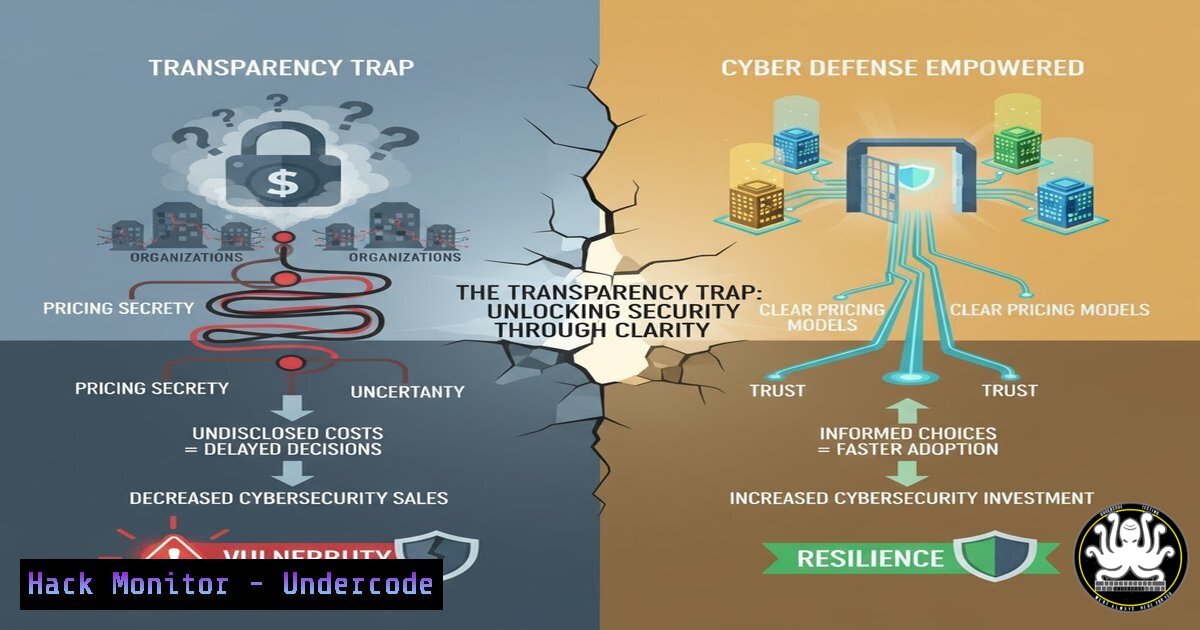
In the high-stakes world of cybersecurity sales, traditional tactics of price concealment are creating dangerous friction in the buyer-seller relationship. As organizations face increasing threats, the sales process itself has become a vulnerability point where lack of transparency erodes trust and delays critical security implementations, leaving systems exposed.
Learning Objectives:
- Understand how pricing transparency accelerates security deployment and reduces organizational risk
- Master technical verification methods to validate security tool claims independently
- Implement command-line auditing techniques to assess current security posture before vendor engagement
You Should Know:
1. Auditing Existing Endpoint Protection
Verified Linux command list for assessing current security controls:
 Check running security processes
ps aux | grep -E '(clamav|selinux|auditd|rkhunter)'

Verify file integrity monitoring status
systemctl status aide
systemctl status ossec

Check kernel security modules
lsmod | grep -i apparmor
sestatus

Audit installed security packages
dpkg -l | grep -i security
rpm -qa | grep -i selinux
This comprehensive audit helps security teams understand their current endpoint protection status before engaging with vendors. The commands verify active security processes, file integrity monitoring systems, and mandatory access control implementations. Running these assessments ensures you can speak knowledgeably about existing infrastructure during sales conversations.
2. Validating EDR Claims with System Inspection
Windows PowerShell commands to verify endpoint detection and response capabilities:
 Check Windows Defender status and EDR integration
Get-MpComputerStatus
Get-MpThreatDetection
Get-WinEvent -FilterHashtable @{LogName='Microsoft-Windows-Windows Defender/Operational'} | Select-Object -First 20

Verify security product installations
Get-WmiObject -Namespace root\SecurityCenter2 -Class AntiVirusProduct
Get-Service | Where-Object {$<em>.DisplayName -like "security" -or $</em>.DisplayName -like "endpoint"}

Audit process creation monitoring
Get-Process | Where-Object {$<em>.ProcessName -like "edr" -or $</em>.ProcessName -like "crowd"}
These PowerShell commands allow IT leaders to validate vendor claims about their current EDR coverage and understand what additional protection might be needed. The scripts check real-time protection status, threat detection capabilities, and existing security service integrations.
3. Network Security Configuration Verification
Linux iptables and Windows firewall auditing commands:
 Linux iptables rules audit
iptables -L -v -n
iptables -t nat -L -v -n
ip6tables -L -v -n

Check for unauthorized listening ports
netstat -tulpn | grep LISTEN
ss -tulpn

Verify firewall service status
systemctl status firewalld
systemctl status iptables
 Windows firewall configuration audit
Get-NetFirewallProfile | Format-Table Name, Enabled
Get-NetFirewallRule | Where-Object {$_.Enabled -eq "True"} | Select-Object DisplayName, Direction, Action

Check advanced security settings
Get-NetFirewallSetting
Get-NetIPsecMainModeRule
Network security verification ensures that organizations understand their current defensive posture before evaluating additional security products. These commands provide complete visibility into active firewall rules, listening services, and security policy enforcement.
4. Cloud Security Posture Assessment
Multi-cloud security configuration checks:
 AWS security configuration checks
aws ec2 describe-security-groups --query 'SecurityGroups[?IpPermissions[?ToPort==`22` && IpRanges[?CidrIp==`0.0.0.0/0`]]]'
aws iam get-account-authorization-details --query 'UserDetailList[?AttachedManagedPolicies[?PolicyName==`AdministratorAccess`]]'

Azure CLI security audits
az ad signed-in-user list --query '[].{userPrincipalName:userPrincipalName, id:id}'
az network nsg list --query '[].{name:name, securityRules:securityRules[?direction==`Inbound` && access==`Allow` && sourceAddressPrefix==``]'
Cloud misconfigurations represent one of the most common security vulnerabilities. These commands help identify overly permissive security groups, excessive IAM permissions, and publicly accessible resources that could be exploited by attackers.
5. Vulnerability Assessment Pre-Scanning
Local vulnerability scanning commands:
 Quick vulnerability assessment with nmap
nmap -sV --script vuln 192.168.1.0/24
nmap -p- --open 10.0.0.1/24

Check for common vulnerabilities
grep -r "password" /etc/ 2>/dev/null
find / -name ".pem" -o -name "id_rsa" -o -name ".key" 2>/dev/null

Service version checking
ss -tulpn | awk '{print $5}' | cut -d: -f2 | sort -nu
 Windows service vulnerability checking
Get-Service | Where-Object {$_.Status -eq "Running"} | Select-Object Name, DisplayName
Get-WmiObject -Class Win32_Product | Select-Object Name, Version

Check for unpatched software
wmic qfe list brief /format:table
These vulnerability assessment commands help organizations identify critical security gaps before engaging with security vendors. Understanding your vulnerability landscape enables more informed conversations about necessary protection levels and appropriate budget allocation.
6. API Security Configuration Verification
REST API and web service security checks:
 Check for API security headers
curl -I https://api.example.com/v1/users | grep -iE "(security|auth|x-)"
curl -X OPTIONS https://api.example.com/v1/users -v

Test for common API vulnerabilities
nmap -p 443 --script http-security-headers api.example.com
nmap -p 443 --script http-methods api.example.com

JWT token validation testing
openssl x509 -in certificate.pem -text -noout
openssl s_client -connect api.example.com:443 -servername api.example.com
API security represents a critical attack vector in modern organizations. These commands help verify proper security header implementation, check for unnecessary HTTP methods, and validate TLS certificate configurations.
7. Incident Response Readiness Verification
Digital forensics and incident response preparation:
 Memory capture preparation
cat /proc/meminfo | grep -i hugepages
df -h | grep -E "(tmpfs|devtmpfs)"

Log collection verification
journalctl --since="1 hour ago" | wc -l
find /var/log -name ".log" -mtime -1 | wc -l

System timeline creation
ls -lauth /etc/passwd /etc/shadow /etc/group
stat /bin/bash /bin/sh /usr/bin/sudo
 Windows incident response preparation
Get-EventLog -List | Select-Object Log,MaximumKilobytes,Entries
Get-WinEvent -ListLog  | Where-Object {$_.RecordCount -gt 0} | Sort-Object RecordCount -Descending | Select-Object -First 10

Process memory analysis preparation
tasklist /svc /fo csv
wmic process list full /format:csv
Incident response readiness commands ensure that organizations can effectively investigate and respond to security incidents. These verifications help confirm that necessary logging is enabled and critical system artifacts are accessible for forensic analysis.
What Undercode Say:
- Pricing transparency directly correlates with faster security implementation and reduced organizational risk
- Technical self-assessment before vendor engagement creates more productive security conversations
- The traditional “price-last” sales model creates unnecessary friction in cybersecurity procurement
The cybersecurity sales process has become a critical path in organizational defense strategies. When vendors conceal pricing until late stages, they’re not just wasting time—they’re actively delaying security implementations that could prevent breaches. Technical teams must approach vendor evaluations with their own assessment data, using command-line verification to validate claims and maintain negotiation leverage. The industry shift toward transparency reflects a broader understanding that effective security requires partnership, not manipulation.
Prediction:
The continued evolution of cybersecurity threats will force a complete restructuring of traditional sales models. Within two years, we predict that pricing opacity will become a red flag for security-conscious organizations, with transparent vendors dominating market share. This shift will accelerate security deployments by 40-60% and significantly reduce the window of vulnerability between threat identification and protection implementation.
🎯Let’s Practice For Free:
IT/Security Reporter URL:
Reported By: Piyushpandey311 Cold – Hackers Feeds
Extra Hub: Undercode MoN
Basic Verification: Pass ✅


