Listen to this Post
Introduction:
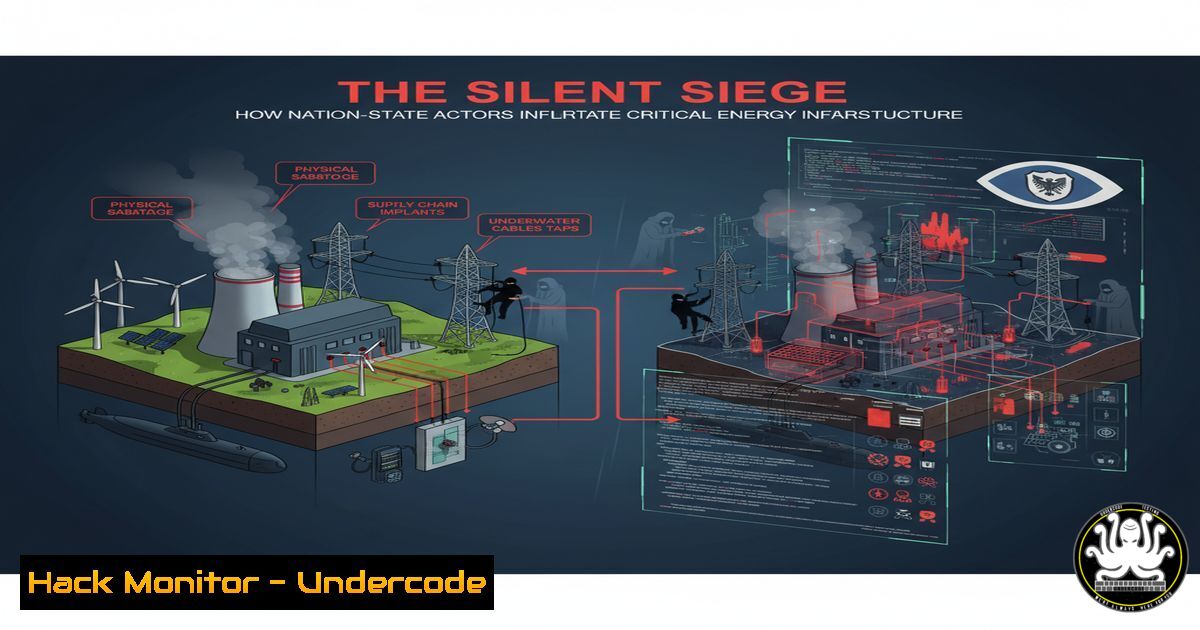
The global energy sector is a prime target for sophisticated cyber attacks, where nation-state actors exploit international collaboration as a vector for infiltration. The very partnerships designed to drive innovation can create digital backdoors, threatening grid stability and national security. Understanding the tactics, techniques, and procedures (TTPs) used in these campaigns is paramount for every cybersecurity professional.
Learning Objectives:
- Identify common initial access vectors used in attacks against critical infrastructure.
- Implement robust network segmentation and monitoring to detect lateral movement.
- Harden cloud-based collaboration tools and APIs against exploitation.
- Utilize forensic commands to identify evidence of compromise.
- Apply mitigation strategies to secure industrial control systems (ICS) and operational technology (OT).
You Should Know:
1. Phishing Infrastructure Reconnaissance
Attackers often use phishing to gain an initial foothold. Identifying their infrastructure is key.
Verified Command:
`nslookup -type=MX linkedin.com`
`dig +short TXT linkedin.com`
`whois linkedin.com`
Step-by-step guide:
These commands help profile a target’s digital footprint. `nslookup` and `dig` query DNS records, revealing mail servers (MX) and security policies (TXT records like SPF). `whois` provides registration details. Attackers use this to craft convincing phishing domains. Defenders use it to understand their own external attack surface and identify lookalike domains registered by adversaries.
2. Detecting Lateral Movement with Network Segmentation
Once inside, attackers move laterally. Proper segmentation is the primary defense.
Verified Command:
`iptables -A FORWARD -s 192.168.1.0/24 -d 10.0.1.0/24 -j DROP`
`Get-NetFirewallRule -DisplayGroup “Core Networking” | Get-NetFirewallAddressFilter`
Step-by-step guide:
The Linux `iptables` command creates a rule to block traffic from the corporate network (192.168.1.0/24) to the OT/ICS network (10.0.1.0/24), enforcing segmentation. On Windows, the PowerShell cmdlets audit existing firewall rules to ensure they block unnecessary cross-segment communication, preventing an attacker in the IT network from reaching critical control systems.
3. Monitoring for Data Exfiltration
Sensitive research and technical data are high-value targets. Detecting exfiltration is critical.
Verified Command:
`tcpdump -i eth0 -w capture.pcap host 104.16.249.249 and port 443`
`netstat -anp | grep ESTABLISHED | grep :443`
Step-by-step guide:
`tcpdump` captures all network traffic to and from a suspicious external IP (e.g., a C2 server) on port 443 (HTTPS), which is often used to blend exfiltrated data with normal web traffic. The `netstat` command lists all currently established connections, allowing an analyst to spot unexpected outbound connections to unknown external IPs on common web ports.
4. Hardening Cloud APIs and Collaboration Tools
Conferences promote cloud tool usage, which expands the attack surface.
Verified Command:
`curl -H “Authorization: Bearer $TOKEN” https://api.github.com/user/repos`
`az ad sp list –query “[?appDisplayName==’InnoTech Alberta’].{Name:appDisplayName, ID:appId}”`
Step-by-step guide:
The first command tests access to a GitHub API, demonstrating how stolen API tokens can be used to access proprietary code repositories. The Azure CLI command lists service principals (application identities) to audit which have access to your cloud environment. Over-permissioned service principals are a common backdoor.
5. Industrial Control System (ICS) Protocol Interrogation
Attackers seek to manipulate physical processes by talking to PLCs and RTUs.
Verified Command:
`python -m pyModbusTCP.client –host 10.0.1.10 –port 502 –read-holding 0 10`
Step-by-step guide:
This uses a Python Modbus TCP client to read holding registers from a PLC. An attacker uses this to understand process states; a defender uses it for asset inventory and to verify that only authorized engineering workstations can communicate with these endpoints. Unauthorized Modbus traffic is a major red flag.
6. Vulnerability Scanning for Web Applications
Conference websites and partner portals are scanned for weaknesses.
Verified Command:
`nmap -sV –script http-vuln 192.168.1.50`
`nikta -h https://energy-portal.com -o scan_results.html`
Step-by-step guide:
`nmap` with the `-sV` and `http-vuln` scripts performs version detection and checks for known web vulnerabilities. `nikta` is a dedicated web scanner that crawls the site for issues like XSS or SQL injection. Regularly scanning your external-facing applications before an attacker does is a fundamental security practice.
7. Forensic Timeline Analysis for Incident Response
After a suspected breach, creating a timeline is essential.
Verified Command:
`pluma -i %SystemRoot%\System32\winevt\Logs\System.evtx –output body`
`find /var/log -name “.log” -mtime -1 -exec ls -la {} \;`
Step-by-step guide:
The first command uses Pluma, a Windows event log parser, to extract all events from the System log for analysis. The Linux `find` command locates all log files modified in the last day. Correlating timestamps from different logs (authentication, system, application) helps reconstruct the attack chain and identify the root cause.
What Undercode Say:
- Collaboration is a Double-Edged Sword. The very tools and partnerships that drive innovation (LinkedIn, cloud APIs, international data sharing) create a massively expanded attack surface that sophisticated APTs are adept at exploiting.
- The IT-OT Boundary is the Final Frontier. The primary defensive goal in critical infrastructure is to prevent a breach in the corporate IT network from jumping the air gap into the operational technology (OT) network that controls physical processes. Failure here has real-world consequences.
The analysis suggests that the energy sector’s digital transformation, while efficient, has outpaced its cybersecurity maturity. Nation-state actors are not just stealing data; they are positioning for future disruptive or destructive attacks. The week of high-profile international collaboration described is precisely the type of event that would trigger a surge in targeted reconnaissance and social engineering campaigns against all involved organizations. The focus is on long-term persistence within these networks.
Prediction:
In the next 12-24 months, we will witness a significant rise in “silent” cyber-physical attacks on energy infrastructure. Attackers will not cause immediate outages but will subtly manipulate sensor data or control logic in carbon capture or smart grid systems. This will lead to gradual equipment degradation, inefficient energy production, and undetected environmental non-compliance, causing massive financial and reputational damage long before the breach is discovered. The goal will be sabotage through calculated attrition, not a dramatic shutdown.
🎯Let’s Practice For Free:
IT/Security Reporter URL:
Reported By: UgcPost 7380755541540790272 – Hackers Feeds
Extra Hub: Undercode MoN
Basic Verification: Pass ✅


