Listen to this Post
Introduction:
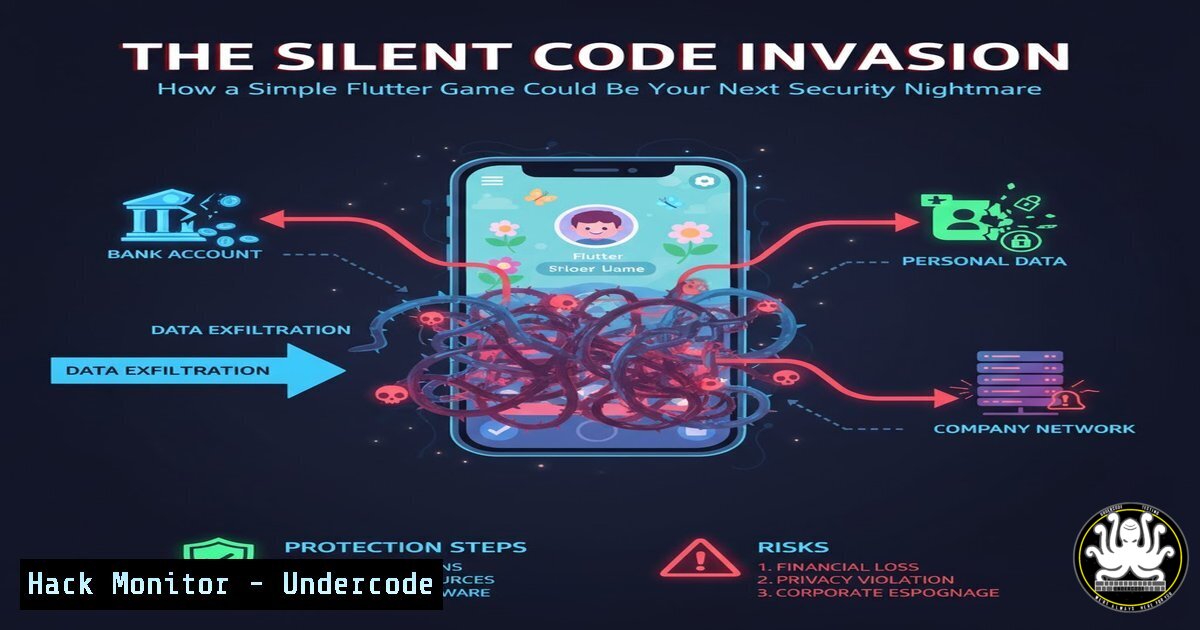
The rapid development and deployment of cross-platform applications, like the “Spookey Web” Flutter game, represent a new frontier in cybersecurity threats. While developers focus on UX and features, underlying code dependencies, API integrations, and build processes can introduce critical vulnerabilities that attackers are eager to exploit. This article dissects the hidden security risks in modern app development workflows.
Learning Objectives:
- Identify common security vulnerabilities in Flutter applications and their dependencies
- Implement secure configuration for Firebase, API communications, and build processes
- Establish security testing protocols for cross-platform mobile and web applications
You Should Know:
1. Dependency Chain Vulnerability Analysis
Verified command for analyzing Flutter project dependencies:
flutter pub deps --style=tree
flutter pub outdated
Step-by-step guide: This command maps all package dependencies in your Flutter project, revealing potential security risks through outdated or compromised packages. Run this in your project root to visualize the dependency tree and identify packages requiring security updates. The `pub outdated` command specifically highlights packages with newer versions available, crucial for patching known vulnerabilities.
2. Firebase Security Rule Auditing
Verified Firebase security rules check:
firebase projects:list
firebase setup:emulators:exec --project your-project-id "test security rules"
Step-by-step guide: Many Flutter apps use Firebase without proper security rules. These commands first list your Firebase projects, then test security rules using the local emulator suite. This prevents unauthorized data access by ensuring your Firebase Realtime Database and Firestone rules properly restrict read/write operations based on user authentication.
3. API Key Exposure Prevention
Verified environment configuration for Flutter:
// pubspec.yaml
dependencies:
flutter_dotenv: ^5.0.2

// .env file (add to .gitignore)
API_KEY=your_actual_key
FIREBASE_KEY=your_firebase_key
Step-by-step guide: Hardcoded API keys in Flutter applications represent a critical security risk. Implement flutter_dotenv to externalize sensitive credentials. Create a `.env` file in your project root, add all API keys there, and reference them in code via dotenv.get('API_KEY'). Crucially, add `.env` to your `.gitignore` file to prevent accidental exposure in version control.
4. Build Process Security Hardening
Verified Android build hardening commands:
// android/app/build.gradle
android {
buildTypes {
release {
minifyEnabled true
shrinkResources true
proguardFiles getDefaultProguardFile('proguard-android.txt'), 'proguard-rules.pro'
debuggable false
jniDebuggable false
renderscriptDebuggable false
}
}
}
Step-by-step guide: Configure your Android build process to enable code obfuscation and resource shrinking. This prevents reverse engineering of your compiled application. Add these settings to your `android/app/build.gradle` file to make decompilation significantly more difficult for attackers seeking to analyze your game’s logic and security measures.
5. Web Application Firewall Configuration
Verified CSP header implementation for Flutter web:
<!-- Add to web/index.html -->
<meta http-equiv="Content-Security-Policy"
content="default-src 'self';
script-src 'self' 'unsafe-inline';
style-src 'self' 'unsafe-inline';
connect-src 'self' https://firestore.googleapis.com">
Step-by-step guide: Content Security Policies prevent XSS attacks in Flutter web deployments. Add this meta tag to your `web/index.html` file to restrict resource loading to approved sources only. The policy shown here allows connections only to your Firebase instance while blocking potentially malicious external scripts from compromising your game.
6. Network Security Testing
Verified ADB command for intercepting app traffic:
adb reverse tcp:8080 tcp:8080
adb shell settings put global http_proxy localhost:8080
Step-by-step guide: Test your app’s network security by setting up a proxy intercept. These Android Debug Bridge commands route your app’s traffic through a local proxy (like Burp Suite or OWASP ZAP) on port 8080. This allows security researchers to analyze unencrypted communications, test for data leakage, and verify TLS implementation.
7. Code Signing Verification
Verified APK signature validation:
apksigner verify --verbose app-release.apk
jarsigner -verify -verbose -certs app-release.apk
Step-by-step guide: Verify the integrity of your Android build by checking its digital signature. The `apksigner` command validates APK signatures while `jarsigner` provides detailed certificate information. This ensures your application hasn’t been tampered with during distribution and confirms the identity of the app publisher to end users.
What Undercode Say:
- The convenience of cross-platform development often sacrifices security depth
- Rapid prototyping culture frequently bypasses essential security audits
- Third-party dependencies represent the largest attack surface in modern applications
Analysis: The “Spookey Web” case study exemplifies how modern development priorities emphasize speed and features over security. The integration of multiple services (Firebase, APIs, analytics) creates a complex attack surface that most indie developers lack the resources to properly secure. As these applications handle increasing amounts of user data, the potential impact of security breaches grows exponentially. The cybersecurity community must develop more accessible security tools specifically designed for rapid development environments without compromising protection.
Prediction:
Within two years, we’ll witness the first major supply chain attack originating from a compromised Flutter package, affecting thousands of applications simultaneously. The cross-platform nature will amplify the impact across web, mobile, and desktop environments. This will trigger industry-wide scrutiny of dependency management in rapid development frameworks and force security compliance requirements for applications published on major platforms.
🎯Let’s Practice For Free:
IT/Security Reporter URL:
Reported By: Muhammad Assadullah – Hackers Feeds
Extra Hub: Undercode MoN
Basic Verification: Pass ✅


