
Listen to this Post
Introduction:
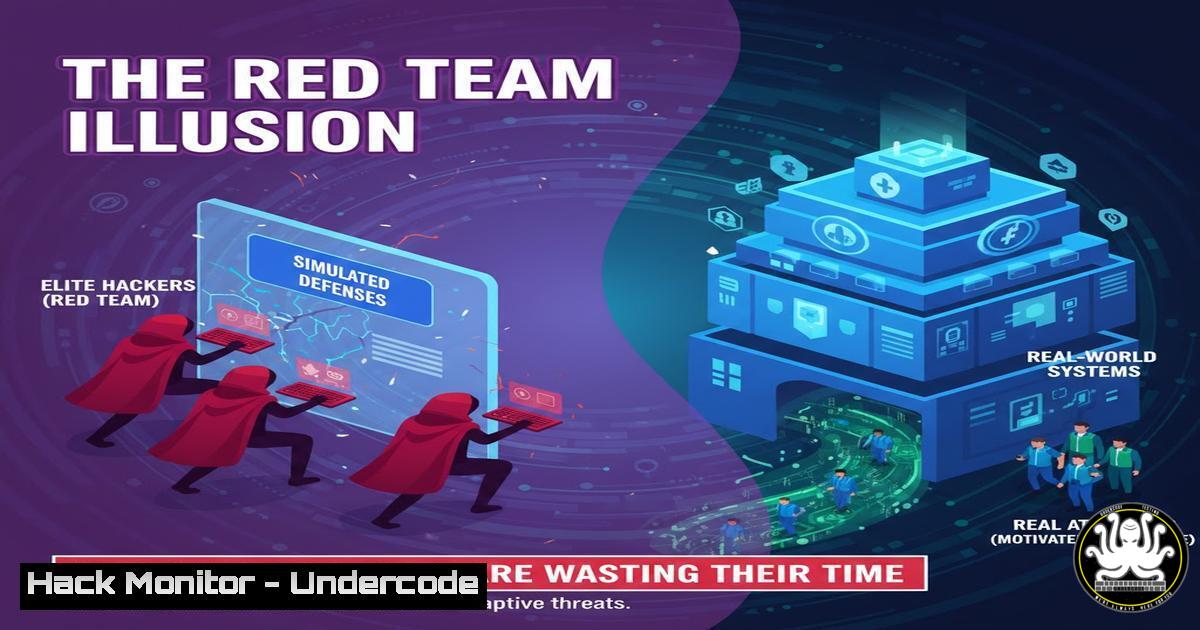
Many organizations proudly boast about their red teams, envisioning them as elite ethical hackers simulating advanced persistent threats. In reality, these teams are often misused for basic penetration testing and vulnerability assessments, undermining their strategic value and wasting critical security resources. This misalignment stems from fundamental misunderstandings about red teaming’s purpose and proper implementation within business contexts.
Learning Objectives:
- Differentiate between red team operations, penetration testing, and vulnerability management
- Implement proper red team scoping and objective-setting aligned with business risks
- Develop actionable red team reporting that drives meaningful security improvements
You Should Know:
- Red Team vs. Penetration Testing: Understanding the Fundamental Divide
Red team operations are not glorified penetration tests. While penetration testing identifies technical vulnerabilities against a predefined scope, red teaming assesses an organization’s overall defensive capabilities through realistic adversary emulation. The key difference lies in scope and objectives.
Step-by-step guide explaining what this does and how to use it:
– Step 1: Define Engagement Objectives – Red team objectives should mirror real attacker goals: “exfiltrate customer database” rather than “find X vulnerabilities”
– Step 2: Establish Rules of Engagement – Document allowed techniques, systems in scope, and communication protocols
– Step 3: Emulate Real Adversaries – Use frameworks like MITRE ATT&CK to model specific threat actor TTPs
– Step 4: Focus on Detection Avoidance – Unlike pentests, red teams should prioritize stealth and persistence
Example command for establishing C2 persistence (Linux):
 Create hidden systemd service for persistence
sudo systemctl enable /etc/systemd/system/backdoor.service
sudo systemctl start backdoor.service
- Proper Red Team Scoping: Aligning with Business Risks
Many organizations fail because they scope red team exercises around technical systems rather than business processes. Proper scoping requires understanding what assets attackers would genuinely target.
Step-by-step guide explaining what this does and how to use it:
– Step 1: Conduct Business Impact Analysis – Identify critical business functions and data assets
– Step 2: Map Technical Infrastructure – Document systems supporting critical functions
– Step 3: Define Success Metrics – Establish what constitutes a successful compromise from both attacker and defender perspectives
– Step 4: Set Realistic Timelines – Red team operations typically require 4-8 weeks for proper execution
3. Red Team Reporting: Delivering Actionable Business Intelligence
The value of red teaming lies not in compromised systems but in the strategic insights gained. Reports must translate technical findings into business risk context.
Step-by-step guide explaining what this does and how to use it:
– Step 1: Document Attack Narrative – Present findings as a story showing the attack chain
– Step 2: Identify Detection Gaps – Highlight where existing controls failed to detect or prevent activities
– Step 3: Prioritize by Business Impact – Focus on findings affecting critical operations
– Step 4: Provide Strategic Recommendations – Suggest process and control improvements beyond technical fixes
4. Adversary Emulation: Moving Beyond Standard Tools
Many red teams rely on automated tools, making their activities easily detectable. True adversary emulation requires custom tools and techniques.
Step-by-step guide explaining what this does and how to use it:
– Step 1: Research Threat Actors – Study APT groups relevant to your industry
– Step 2: Develop Custom Tools – Create unique implants avoiding signature detection
– Step 3: Implement Operational Security – Use infrastructure that blends with normal traffic
– Step 4: Mimic User Behavior – Conduct activities during business hours with realistic patterns
Example PowerShell evasion technique:
 Bypass AMSI using reflection
$Ref = [bash].Assembly.GetType('System.Management.Automation.AmsiUtils')
$Ref.GetField('amsiInitFailed','NonPublic,Static').SetValue($null,$true)
5. Measuring Red Team Success: Beyond Compromise Metrics
Organizations often wrongly measure red team success by the number of systems compromised. True value comes from improved defensive capabilities.
Step-by-step guide explaining what this does and how to use it:
– Step 1: Track Detection Capabilities – Measure mean time to detection for various attack stages
– Step 2: Assess Response Effectiveness – Evaluate how well security teams contain and remediate
– Step 3: Measure Process Improvements – Track implementation of recommendations from previous exercises
– Step 4: Conduct Purple Team Exercises – Collaborate with blue teams to validate defensive improvements
6. Building Organizational Support for Proper Red Teaming
Red team failures often stem from organizational, not technical, issues. Success requires buy-in across multiple stakeholders.
Step-by-step guide explaining what this does and how to use it:
– Step 1: Educate Leadership – Explain red teaming’s strategic value beyond compliance requirements
– Step 2: Establish Clear Governance – Define reporting structures and engagement rules
– Step 3: Coordinate with Other Teams – Ensure red team activities complement rather than conflict with other security functions
– Step 4: Schedule Regular Exercises – Make red teaming a continuous process, not one-off events
7. Advanced Red Team Tradecraft: Emulating Sophisticated Adversaries
For organizations with mature programs, advancing beyond basic techniques is essential for maintaining relevance.
Step-by-step guide explaining what this does and how to use it:
– Step 1: Research Emerging TTPs – Monitor threat intelligence for new adversary techniques
– Step 2: Develop Custom Infrastructure – Build resilient C2 channels using cloud services and CDNs
– Step 3: Implement Counter-Forensics – Use techniques to obscure forensic artifacts
– Step 4: Test Physical Security Integration – Assess how cyber and physical security intersect
Example network evasion technique using legitimate services:
 Use DNS over HTTPS for C2 communications
curl -H "accept: application/dns-json" "https://cloudflare-dns.com/dns-query?name=example.com&type=A"
What Undercode Say:
- Red teaming requires organizational maturity, not just technical skills – Companies lacking clear security processes and governance will inevitably misuse red teams for inappropriate tasks
- Business alignment separates effective red teaming from security theater – Exercises must test what actually matters to the business, not just technically interesting vulnerabilities
The fundamental issue plaguing many red team programs is treating them as technical testing resources rather than strategic assessment functions. When organizations measure success by systems compromised rather than security improvements driven, they create perverse incentives that undermine the red team’s value. True red teaming excellence requires deep understanding of business risks, sophisticated adversary emulation, and most importantly, organizational willingness to act on findings that may challenge established processes and investments. Without this holistic approach, red teams become expensive penetration testers delivering limited value.
Prediction:
Within three years, the red teaming field will bifurcate into commodity penetration testing services and true strategic adversary emulation programs. Organizations will increasingly leverage AI-driven red teaming that can model multiple adversary profiles simultaneously and identify subtle defensive weaknesses. However, this advancement will further highlight the organizational readiness gap, with mature organizations gaining significant defensive advantages while others continue wasting resources on misapplied security testing. The emergence of regulatory requirements for adversary simulation testing in critical sectors will force standardization, but may also create checkbox mentality that undermines genuine security improvement.
🎯Let’s Practice For Free:
IT/Security Reporter URL:
Reported By: Joas Antonio – Hackers Feeds
Extra Hub: Undercode MoN
Basic Verification: Pass ✅


