Listen to this Post
Introduction:
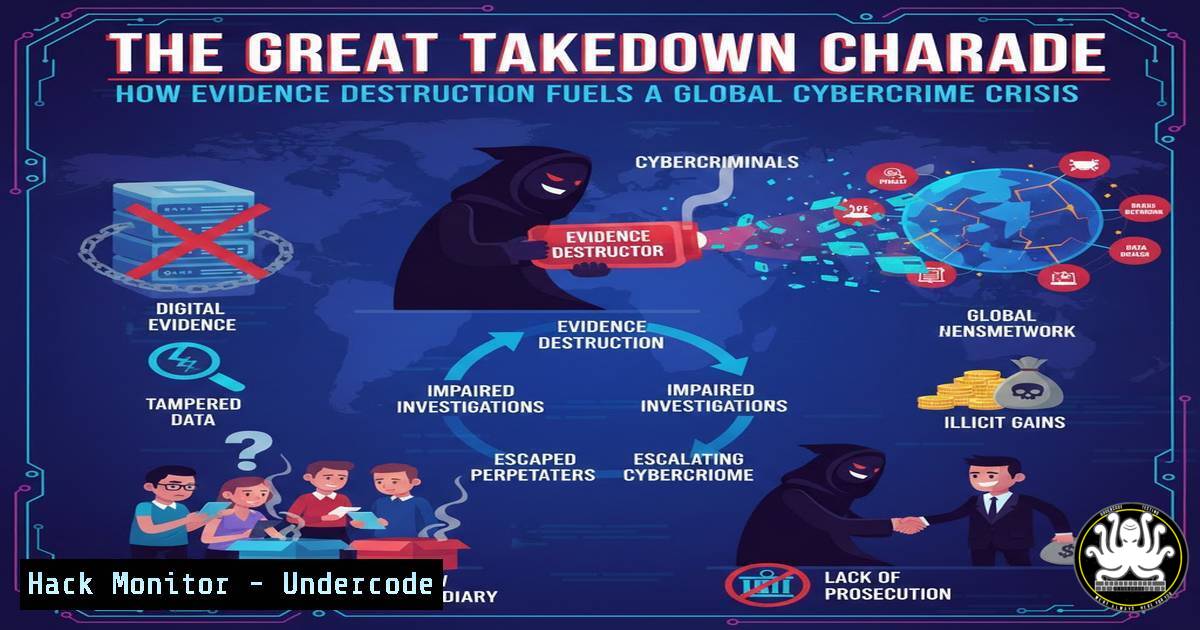
International law enforcement announcements of massive scam compound takedowns create headlines, but what happens when these operations prioritize arrests over evidence preservation? Recent reports from the front lines reveal a disturbing pattern: the systematic destruction of critical digital evidence including cryptocurrency wallets, email accounts, and communication logs, rendering prosecutions nearly impossible while victims remain without recourse.
Learning Objectives:
- Understand the critical digital evidence components in transnational cybercrime investigations
- Learn forensic techniques for preserving cryptocurrency transaction records and encrypted communications
- Develop strategies for international cooperation that prioritize evidence preservation over public relations victories
You Should Know:
1. The Digital Evidence Trail Being Destroyed
When scam compounds are raided without proper digital forensics protocols, helpers systematically destroy the most valuable evidence. This includes cryptocurrency wallet addresses containing transaction histories, email accounts used for phishing campaigns, WhatsApp communications revealing command structures, and server logs documenting victim interactions. Each destroyed dataset represents lost opportunities for victim restitution and perpetrator prosecution.
Step-by-step guide explaining what this does and how to use it:
– Cryptocurrency Address Preservation: Use blockchain explorers to immediately document wallet addresses
 Using Blockchain.com Explorer for Bitcoin
 Simply paste wallet address into search bar at blockchain.com/explorer
 For bulk analysis, use Python with blockchain API:
import requests
wallet_address = "1A1zP1eP5QGefi2DMPTfTL5SLmv7DivfNa"
response = requests.get(f"https://blockchain.info/rawaddr/{wallet_address}")
print(response.json()['final_balance'])
– Email Header Analysis: Preserve full email headers before account destruction
 In Gmail: Open message → Click three dots → Show original
 Extract headers for forensic analysis of originating IP
 Use tools like MXToolbox for header analysis
– Communication Archiving: Implement legal preservation orders for messaging platforms before raids
2. Cryptocurrency Tracing Fundamentals
Cryptocurrency transactions create permanent records on blockchain ledgers, but without proper preservation, these digital trails can be lost forever. Understanding how to trace transactions across wallets and exchanges is crucial for following the money in cybercrime investigations.
Step-by-step guide explaining what this does and how to use it:
– Transaction Analysis: Use public blockchain explorers to follow fund movement
 Bitcoin transaction tracing example
 Install bitcoin-cli for local analysis
sudo apt-get install bitcoin-tools
bitcoin-cli getrawtransaction "transaction_id" 1
– Wallet Clustering: Identify related addresses using common input heuristic
 Using WalletExplorer API for address clustering
import json
import requests
wallet = "your_target_wallet"
api_url = f"https://www.walletexplorer.com/api/1/address-lookup?address={wallet}"
cluster_data = requests.get(api_url).json()
– Exchange Identification: Use known exchange wallet patterns to identify cash-out points
3. Encrypted Communication Forensics
While WhatsApp and other encrypted platforms provide security, metadata and device artifacts can reveal critical intelligence about criminal operations. Proper evidence collection must occur before devices are destroyed or wiped.
Step-by-step guide explaining what this does and how to use it:
– Mobile Device Imaging: Use forensic tools to create bit-for-bit copies
 Using ADB for Android device backup (must be enabled)
adb backup -f backup.ab -apk -shared com.whatsapp
 Convert backup to tar format for analysis
dd if=backup.ab bs=24 skip=1 | openssl zlib -d > backup.tar
– Metadata Extraction: Recover timestamps, participant information, and location data
 Using exiftool for metadata extraction from any files found
exiftool -a -u -g1 received_file.jpg
– Network Traffic Analysis: Capture communication patterns even with encryption
 Using tcpdump to capture network traffic
sudo tcpdump -i any -w whatsapp_traffic.pcap port 5222 or port 5223 or port 5242
4. International Evidence Sharing Protocols
Cross-border investigations require specific legal frameworks for evidence sharing that maintain chain of custody while respecting sovereignty. Mutual Legal Assistance Treaties (MLATs) provide the foundation, but digital evidence requires specialized handling.
Step-by-step guide explaining what this does and how to use it:
– MLAT Request Preparation: Document exactly what evidence is needed and its relevance
– Chain of Custody Documentation: Maintain unbroken evidence tracking
 Digital chain of custody template
Evidence Item: [Device/File Name]
Hash Value: [SHA-256 checksum]
Collector: [Name/Agency]
Collection Date/Time: [bash]
Storage Location: [Secure evidence system]
– Interpol I-24/7 System: Utilize international police communication channels for urgent requests
5. Victim Identification and Notification Systems
When evidence is destroyed, victims lose their only chance at justice and potential restitution. Implementing robust victim identification processes ensures that when evidence is properly preserved, victims can be identified and notified.
Step-by-step guide explaining what this does and how to use it:
– Database Cross-Referencing: Match seized data with victim reports
 Pseudocode for victim identification matching
def identify_victims(seized_emails, victim_reports):
matches = []
for email in seized_emails:
for report in victim_reports:
if email in report['contact_points']:
matches.append({'victim': report, 'evidence': email})
return matches
– Secure Victim Notification: Establish protocols for contacting victims without compromising ongoing investigations
– Restitution Tracking: Create systems for returning identified funds to victims
6. Building Sustainable Anti-Scam Operations
Performance art takedowns that look good on press releases but fail to produce prosecutions must be replaced with sustained, evidence-driven operations. This requires long-term resource commitment and international coordination.
Step-by-step guide explaining what this does and how to use it:
– Intelligence-Led Planning: Base operations on accumulated evidence rather than political timelines
– Digital Forensics Integration: Include digital evidence specialists in planning phases
– Prosecution Coordination: Work with prosecutors from initial investigation through trial
What Undercode Say:
- Evidence destruction during takedown operations represents a catastrophic failure in digital forensics protocol that benefits only the criminals
- Without preserved cryptocurrency trails and communication records, victims have virtually no path to restitution or justice
- The replacement cost for criminal organizations is minimal compared to the investigative resources wasted on evidence-compromised operations
The systematic destruction of digital evidence during highly publicized takedowns reveals a fundamental misunderstanding of modern cybercrime prosecution. While 1,540 arrests may generate headlines, without preserved cryptocurrency wallets, email accounts, and communication logs, conviction rates will remain negligible. Criminal organizations quickly replace arrested low-level operators while maintaining their operational infrastructure and profit streams. This cycle of performative law enforcement ultimately protects the criminal networks it claims to dismantle, as destroyed evidence ensures leadership remains unidentified and operational capabilities intact. The solution requires embedding digital forensics expertise at every stage of planning and execution, with evidence preservation prioritized equally with suspect apprehension.
Prediction:
Without fundamental changes to how international takedown operations handle digital evidence, transnational cybercrime networks will continue expanding with impunity. The current pattern of evidence-destructive raids will lead to increased victimization as criminal organizations recognize the operational security benefits of law enforcement’s evidence destruction. Within two years, we’ll see completely automated scam operations with AI-driven victim targeting and blockchain-based money laundering that leaves even less evidence trail. Only by prioritizing evidence preservation over arrest numbers can law enforcement hope to actually disrupt these criminal enterprises rather than merely temporarily inconveniencing them.
🎯Let’s Practice For Free:
IT/Security Reporter URL:
Reported By: Erinnordbywest Cantstopwontstop – Hackers Feeds
Extra Hub: Undercode MoN
Basic Verification: Pass ✅


