Listen to this Post
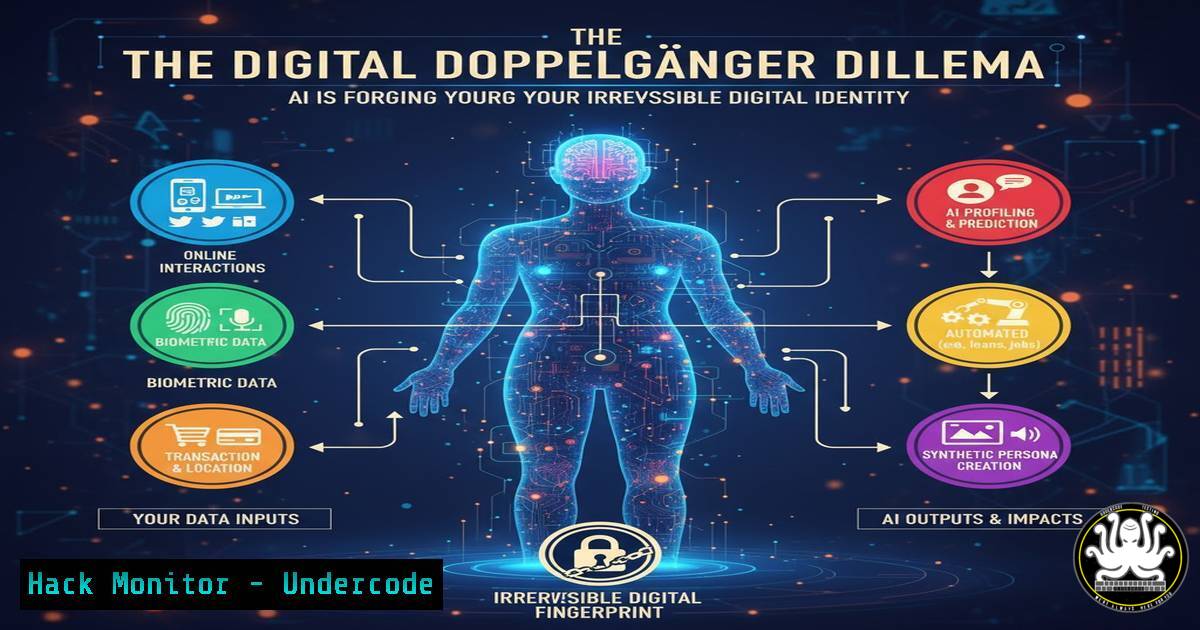
Introduction:
The convergence of advanced AI systems is creating comprehensive digital replicas of individuals. From cognitive patterns to biometric identities, this fusion poses unprecedented cybersecurity and privacy challenges that demand immediate technical understanding and mitigation.
Learning Objectives:
- Understand the technical components building your digital identity: AI cognition, synthetic media, and biometric authentication.
- Learn practical commands and techniques to audit, protect, and control your digital footprint across platforms.
- Develop strategies to mitigate risks associated with irreversible biometric and cognitive data exposure.
You Should Know:
1. Auditing Your AI Cognitive Footprint
 Export your ChatGPT data history
1. Navigate to ChatGPT Settings → Data Controls → Export Data
2. Process the download with jq for analysis:
jq '.conversations[].mapping | values[] | select(.message != null) | .message.content.parts[]' chatgpt-export.json | grep -oE '\w{10,}' | sort | uniq -c | sort -nr
This command extracts frequent topics and patterns from your ChatGPT history, revealing what cognitive data the AI has learned about your thinking patterns, professional interests, and personal preferences.
2. Monitoring Data Exposure via API Security
 Python script to monitor personal data in API requests
import requests
import json

headers = {
'Authorization': 'Bearer YOUR_API_TOKEN',
'Content-Type': 'application/json'
}

def audit_api_payloads(log_file):
sensitive_keywords = ['routine', 'emotion', 'personal', 'private', 'biometric']
with open(log_file, 'r') as f:
for line in f:
data = json.loads(line)
for keyword in sensitive_keywords:
if keyword in json.dumps(data).lower():
print(f"SENSITIVE DATA LEAK: {keyword} in request")
return False
return True
This script helps identify when personal data is being transmitted to external AI services, allowing you to implement data loss prevention measures.
3. Biometric Data Protection Commands
 Check for biometric data modules on Linux systems
lsmod | grep -i 'camera|iris|face|biometric'
find /sys /proc -name "bio" -o -name "face" -o -name "iris" 2>/dev/null

Windows PowerShell biometric audit
Get-WindowsHelloBiometrics | Format-List
Get-CimInstance -ClassName Win32_Biometric | Select-Object Manufacturer, Name, Status
These commands identify active biometric data collection systems on your devices, helping you understand what hardware-level identity tracking might be occurring.
4. Network-Level AI Service Blocking
 Block AI data collection endpoints via hosts file
echo "127.0.0.1 api.openai.com" | sudo tee -a /etc/hosts
echo "127.0.0.1 worldcoin.org" | sudo tee -a /etc/hosts
echo "127.0.0.1 sora.ai" | sudo tee -a /etc/hosts

Windows firewall rules to block AI data exfiltration
netsh advfirewall firewall add rule name="Block AI Services" dir=out action=block remoteip=52.152.227.100,13.107.213.50,20.190.128.0/18
Preventing unauthorized data transmission to AI services at the network level provides fundamental protection against digital profile building.
5. Digital Identity Encryption Framework
 GPG encryption for sensitive personal data before cloud storage
echo "Your personal thoughts and routines" | gpg --encrypt --recipient [email protected] --output encrypted_thoughts.gpg

Verify encryption and create secure backups
gpg --verify encrypted_thoughts.gpg
sha256sum encrypted_thoughts.gpg > backup_verification.sha256
Maintaining control over your digital identity requires encrypting sensitive information before it reaches external AI systems.
6. Browser-Level AI Tracking Prevention
// Browser extension content script to block AI trackers
const aiDomains = ['openai.com', 'anthropic.com', 'worldcoin.org', 'sora.ai'];
const blockedSelectors = ['[data-ai-track]', '.chatgpt-embed', '.ai-widget'];

aiDomains.forEach(domain => {
if (window.location.href.includes(domain)) {
window.stop(); // Prevent page loading
document.body.innerHTML = '

<h1>AI Tracking Domain Blocked</h1>

';
}
});

blockedSelectors.forEach(selector => {
document.querySelectorAll(selector).forEach(el => el.remove());
});
This script blocks known AI tracking domains and elements, preventing involuntary data collection during browsing sessions.
7. Comprehensive Digital Footprint Audit
 Windows comprehensive digital footprint analysis
Get-ChildItem -Path $env:USERPROFILE -Include .log,.txt,.json -Recurse |
Where-Object { $_.Name -match 'chat|ai|personal|biometric' } |
Select-Object FullName, Length, LastWriteTime |
Export-Csv -Path "DigitalFootprintAudit.csv" -NoTypeInformation

Linux alternative using find and grep
find ~ -type f ( -name ".log" -o -name ".json" -o -name ".txt" ) -exec grep -l -i "personal|private|biometric|routine" {} \; > sensitive_files.txt
Regular audits help identify where your digital identity data is stored and potentially exposed across systems.
What Undercode Say:
- Your biometric and cognitive patterns are becoming permanent digital assets that cannot be reset or changed
- Centralized identity systems create single points of failure for catastrophic privacy breaches
- The convergence of AI technologies creates comprehensive profiles beyond individual control
The technical reality is that we’re building irreversible identity systems. Unlike passwords, iris scans and cognitive patterns cannot be reset. The World ID Orb creates a globally unique identifier tied to your most immutable characteristic. Combined with ChatGPT’s understanding of your mental patterns and Sora’s ability to replicate your visual representation, we’re approaching a point where digital doppelgängers can operate with alarming authenticity. The cybersecurity implications are staggering – identity theft evolves from financial damage to complete personal subversion.
Prediction:
Within 3-5 years, we’ll see the first major biometric identity database breach affecting millions, coupled with AI-generated synthetic identity attacks that bypass current authentication systems. This will force a fundamental rearchitecture of digital identity toward decentralized, user-controlled frameworks. Organizations that fail to implement privacy-by-design AI systems will face existential regulatory and reputational consequences, while individuals who understand these technical protections will maintain sovereignty over their digital selves.
🎯Let’s Practice For Free:
IT/Security Reporter URL:
Reported By: Sara Abella – Hackers Feeds
Extra Hub: Undercode MoN
Basic Verification: Pass ✅


