
Listen to this Post
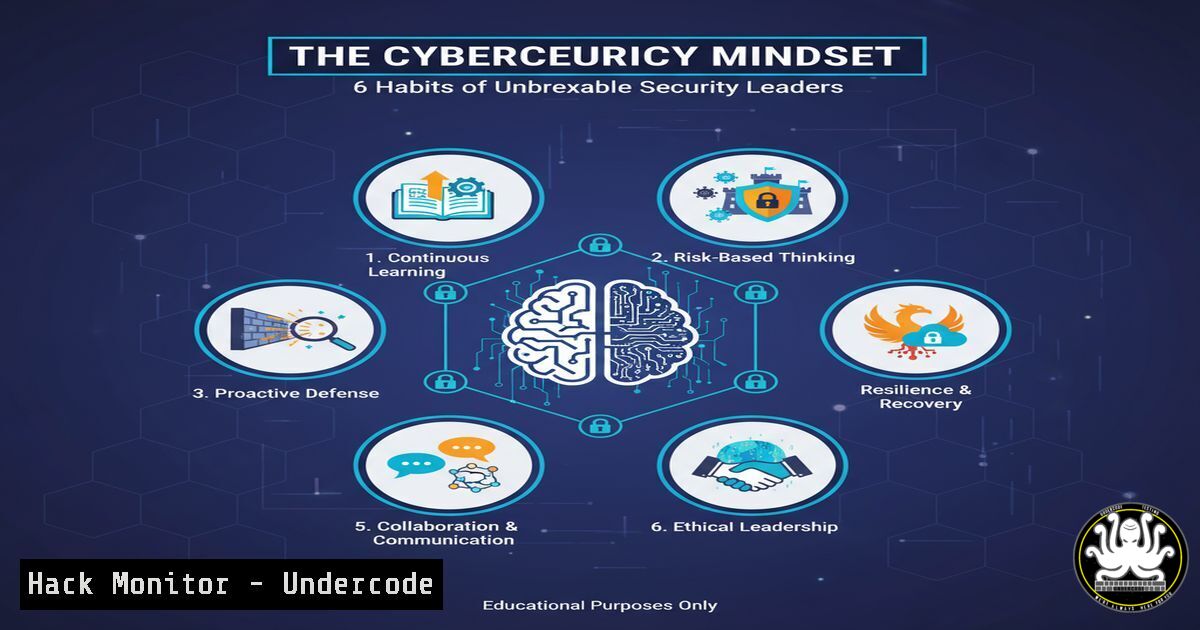
Introduction:
In the high-stakes world of cybersecurity, technical skills alone are insufficient against evolving threats. The most effective security professionals cultivate a resilient mindset, transforming psychological habits into defensive capabilities that protect entire organizations from sophisticated attacks.
Learning Objectives:
- Master the psychological disciplines that enhance threat detection and response
- Implement operational habits that systematically reduce organizational risk
- Develop leadership practices that foster security-aware cultures
You Should Know:
1. Discipline: Mastering Security Fundamentals
Verified Command List:
 Linux System Hardening
sudo apt update && sudo apt upgrade -y
sudo systemctl enable ufw && sudo ufw enable
sudo fail2ban-client status
sudo chmod 600 /etc/ssh/sshd_config
sudo auditctl -w /etc/passwd -p wa -k passwd_changes

Windows Security Baseline
Set-MpPreference -DisableRealtimeMonitoring $false
Get-NetFirewallProfile | Set-NetFirewallProfile -Enabled True
auditpol /set /category:"Account Logon" /success:enable
secedit /export /cfg C:\baseline.inf
Step-by-step guide: Begin with systematic patch management – the `apt update/upgrade` commands ensure all system vulnerabilities are addressed. Enable Uncomplicated Firewall (UFW) with `sudo ufw enable` to block unnecessary ports. Implement Fail2ban for brute force protection and file integrity monitoring with auditd. These disciplined configurations create your security foundation.
2. Consistency: Automated Security Monitoring
Verified Command List:
 Log Analysis & Monitoring
journalctl -u ssh --since "1 hour ago" | grep "Failed"
tail -f /var/log/auth.log | grep "Invalid user"
sudo ausearch -k passwd_changes -i
lynis audit system
chkrootkit -q

Windows Event Monitoring
Get-WinEvent -FilterHashtable @{LogName='Security'; ID=4625} | Select-Object -First 10
Get-WinEvent -LogName "Microsoft-Windows-Windows Defender/Operational"
Step-by-step guide: Consistent monitoring begins with automated log analysis. The `journalctl` command filters SSH authentication failures while `tail -f` provides real-time monitoring. Schedule Lynis and chkrootkit scans weekly via cron to maintain system integrity. Consistent review of Windows Event IDs (4625 for failed logins) ensures early threat detection.
3. Gratitude: Learning From Security Incidents
Verified Command List:
 Incident Analysis & Forensics
ps aux | grep -E "(crypto|miner|backdoor)"
netstat -tulnp | grep -E "(:1337|:4444)"
strings suspicious_binary | grep -i "http"
volatility -f memory.dump imageinfo
tcpdump -i any -w capture.pcap host 192.168.1.100

Malware Analysis Tools
rkhunter --check
sudo clamscan -r /home --remove=yes
Step-by-step guide: Treat every security incident as a learning opportunity. Use `ps aux` and `netstat` to identify malicious processes and connections. Capture network traffic with tcpdump for analysis. Run regular malware scans with rkhunter and ClamAV, documenting findings to improve future defenses.
4. Focus: Targeted Threat Hunting
Verified Command List:
 Advanced Threat Hunting
sudo lsof -i :443 | grep -v "ESTABLISHED"
find / -name ".php" -exec grep -l "base64_decode" {} \;
yara -r malware_rules.yar /tmp/
strings /bin/bash | grep -i "shell"
strace -p <PID> -e trace=network

API Security Testing
nmap -sV --script http-auth-finder target.com
sqlmap -u "https://api.example.com/v1/users?id=1" --batch
Step-by-step guide: Focus your efforts on high-value targets. Use `lsof` to monitor suspicious port activity, scan for obfuscated PHP code with base64_decode patterns. Implement YARA rules for custom malware detection and use strace to monitor process system calls. For API security, employ sqlmap and nmap scripts to identify vulnerabilities.
5. Positivity: Building Security Culture
Verified Command List:
 Security Awareness & Training Tools
git clone https://github.com/securecodewarrior/broken-webapp
docker run -d -p 80:80 dvwa
python3 phishing_simulation.py --target [email protected]
openssl s_client -connect website.com:443 | openssl x509 -noout -dates

Password Policy Enforcement
chage -M 60 -m 7 -W 7 username
pwscore < corporate_password_policy.txt
Step-by-step guide: Transform security from obstacle to enabler. Deploy Damn Vulnerable Web App (DVWA) for safe training environments. Conduct regular phishing simulations and SSL certificate audits. Implement password aging policies with `chage` and test against corporate standards with pwscore.
6. Patience: Long-Term Security Strategy
Verified Command List:
 Cloud Security & Infrastructure
aws iam generate-credential-report
terraform validate security_infra/
gcloud compute firewall-rules list --filter="allowed:"
az keyvault secret list --vault-name myVault --query "[].name"

Container Security
docker scan myapp:latest
trivy image myapp:latest
kubectl auth can-i --list --namespace production
Step-by-step guide: Patient security implementation means building sustainable architectures. Generate AWS credential reports for access review, validate infrastructure-as-code with Terraform, and regularly scan containers for vulnerabilities. Implement principle of least privilege in Kubernetes with `kubectl auth can-i` checks.
What Undercode Say:
- Mindset transformation precedes security transformation – technical controls fail without psychological discipline
- Consistent, automated security practices outperform periodic heroic efforts
- The most vulnerable system component remains the human element – invest accordingly
Analysis: The cybersecurity landscape demands more than tool deployment; it requires cultivating a security-first mindset across entire organizations. Leaders who master discipline in configuration management, consistency in monitoring, and patience in strategic implementation create genuinely resilient environments. The commands and methodologies outlined represent not just technical actions but mental models that, when consistently applied, transform security from reactive cost center to proactive business enabler. Organizations that invest in developing these mindset habits within their teams will discover their true competitive advantage lies not in their security stack, but in their security consciousness.
Prediction:
Within three years, organizations that systematically cultivate cybersecurity mindset habits will experience 60% fewer successful breaches and recover 80% faster from incidents that do occur. The convergence of AI-powered threats and human-operated attacks will make psychological resilience the primary differentiator between compromised and secure enterprises, transforming cybersecurity from technical specialty to core organizational competency.
🎯Let’s Practice For Free:
IT/Security Reporter URL:
Reported By: Nikhilborole Mindset – Hackers Feeds
Extra Hub: Undercode MoN
Basic Verification: Pass ✅


