Listen to this Post
Introduction:
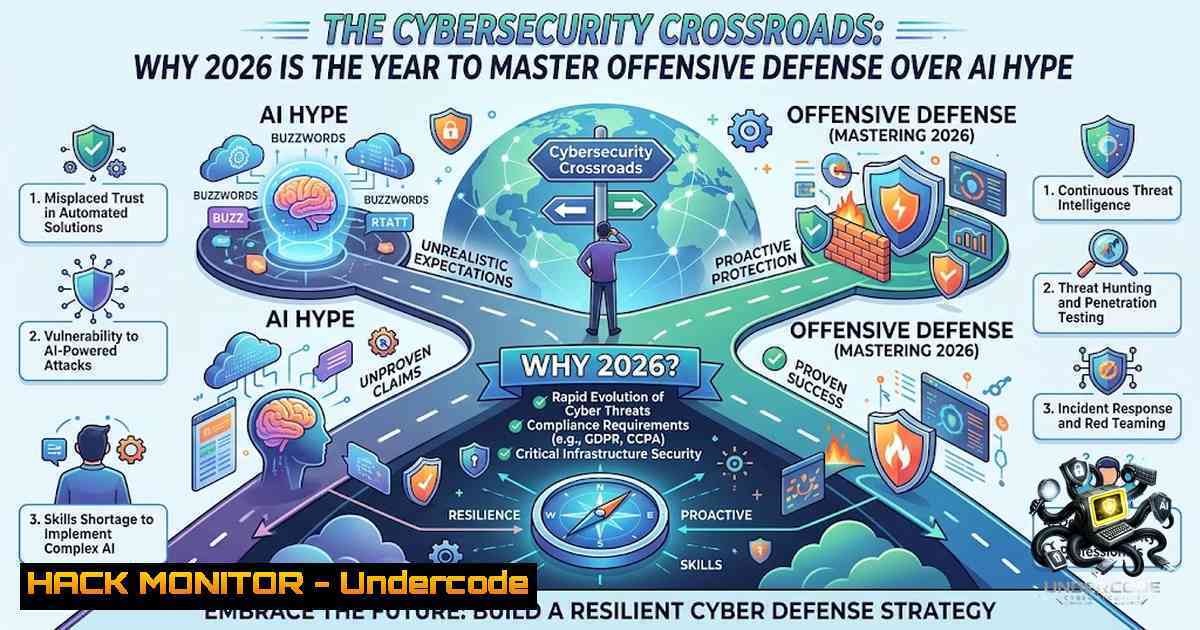
As the technological pendulum swings aggressively toward generative AI and machine learning adoption, a critical paradox emerges: the more we automate, the larger our attack surface becomes. The current industry narrative suggests that AI will solve all security woes, yet this assumption dangerously overlooks the fundamental truth that code, APIs, and cloud configurations remain inherently flawed. For professionals contemplating a career pivot, cybersecurity offers a resilient, high-stakes arena where the human element of creative exploitation and logical forensics cannot be replicated by large language models, particularly when legacy systems and modern microservices coexist in chaotic digital ecosystems.
Learning Objectives:
- Understand the specific security gaps that AI cannot currently patch, including logic flaws and business logic bypasses.
- Master the practical command-line tools for vulnerability assessment and exploitation in modern cloud-1ative environments.
- Develop a strategic approach to bug bounty hunting and API hardening using both manual and semi-automated techniques.
You Should Know:
- Bridging the Gap: AI-Augmented Security vs. Offensive Reasoning
While the post highlights a trend toward AI, the real opportunity lies in using AI as a force multiplier for security, not a replacement. The core of cybersecurity—understanding why a developer made a specific mistake—remains a deeply human skill. To stay relevant, security professionals must learn to attack the “glue” between AI services and traditional backends.
Step-by-Step Guide: Setting Up a Local AI-Driven Reconnaissance Lab
If you want to leverage AI without losing your offensive edge, set up a local environment to query security parameters.
– Step 1: Install Ollama locally to run open-source security models:
`curl -fsSL https://ollama.com/install.sh | sh`
– Step 2: Pull a specialized model for vulnerability detection (e.g., Starcode):
`ollama pull starcode`
- Step 3: Create a script to query the model for potential SQLi payloads based on endpoint structure, ensuring you stay in control of the logic.
- Step 4: Combine this with `ffuf` to brute-force hidden directories while the AI parses the output for unusual error messages.
- Step 5: Always validate the AI’s suggestions manually. Run the suggested payloads through `curl -v` to analyze server response headers for misconfigurations.
2. API Security Hardening: The New Frontline
Modern businesses are practically “doors” for hackers due to exposed APIs. Unlike traditional web apps, APIs often lack proper rate limiting and object-level authorization. The sentiment in the post about “open doors” perfectly describes Insecure Direct Object References (IDOR) and excessive data exposure.
Step-by-Step Guide: Exploiting and Patching IDOR Vulnerabilities
- Linux/Windows (using Burp Suite): Intercept the request to an endpoint like
/api/v1/users/1234. - Step 1: Change the ID to `1235` and send the request. If you receive data for another user, the vulnerability exists.
- Step 2: Mitigation on the server side (Node.js/Express) requires middleware:
app.use('/api/users/:id', (req, res, next) => { if (req.user.id !== parseInt(req.params.id)) { return res.status(403).json({ error: "Forbidden" }); } next(); }); - Step 3: Implement UUIDs instead of sequential integers to prevent tampering.
- Windows Command: Use PowerShell to parse large API responses for sensitive data:
`Select-String -Pattern “password|token|secret” -Path .\api_response.txt`
3. Cloud Hardening and Container Security
With the rise of SaaS, misconfigured AWS S3 buckets and Kubernetes pods are the easiest entry points. The “businesses with security holes” mention often refers to exposed cloud storage and overly permissive IAM roles.
Step-by-Step Guide: Auditing AWS Resources
- Linux Command: Install the AWS CLI and run a scoutsuite scan:
`pip install scoutsuite && scout aws –report`
- Step 1: Check for public S3 buckets:
`aws s3api list-buckets –query “Buckets[].Name” | xargs -I {} aws s3api get-bucket-acl –bucket {}`
– Step 2: Harden Kubernetes by enforcing RBAC:
`kubectl apply -f rbac-restrict.yaml`
- Step 3: Use `kube-hunter` to identify attack paths:
`docker run –rm -it aquasec/kube-hunter –remote 192.168.1.100`
- Step 4: Ensure that Pod Security Policies (or their equivalents) are in place to prevent privilege escalation.
4. Exploitation Techniques for Bug Bounty Hunting
The post mentions Bug Bounty, which requires a methodological approach. It’s not about running a single tool but chaining misconfigurations.
Step-by-Step Guide: Chaining Vulnerabilities
- Step 1: Subdomain Enumeration:
`subfinder -d target.com -o subs.txt`
- Step 2: Live Host Discovery:
`httpx -l subs.txt -ports 443,80 -status-code`
- Step 3: Screenshot the alive endpoints:
`gowitness file -f subs.txt`
- Step 4: Analyze the screenshots for default login pages or development environments inadvertently left open.
- Step 5: If you find a staging server, test for weak passwords or default credentials using
hydra:
`hydra -l admin -P /usr/share/wordlists/rockyou.txt staging.target.com http-post-form “/login:user=^USER^&pass=^PASS^:F=Invalid”`
5. Mitigating Dependency Confusion and Supply Chain Attacks
Modern development relies heavily on open-source packages. Hackers are now injecting malicious code into AI-generated code suggestions or typosquatting package names.
Step-by-Step Guide: Securing Your Pipelines
- Linux Command: Check for outdated/vulnerable packages:
`pip-audit` or `npm audit`
- Step 1: In CI/CD pipelines (GitHub Actions), include a step to verify package integrity:
</li>
<li>name: Dependency Check
run: |
pip install safety
safety check
- Step 2: Use `sha256sum` to verify the integrity of downloaded binaries before execution.
- Step 3: Configure `npm` to use a private registry to block malicious public packages:
`npm config set registry https://private-registry.company.com`
What Undercode Say:
- Key Takeaway 1: The cybersecurity skills gap is widening because AI cannot replicate the lateral thinking required for complex penetration testing.
- Key Takeaway 2: “Going against the grain” by choosing Security over AI is a strategic move; AI will standardize automation, but it will also generate more vulnerable code, creating a permanent demand for security experts.
Analysis: The fundamental role of a security professional is shifting from “tool operator” to “threat validator.” While AI accelerates data analysis, it cannot understand the business impact of a logic flaw—such as bypassing a payment gateway. The “open doors” mentioned in the post are often the result of rapid development cycles where security is deprioritized. This creates a perfect storm: more code, more AI-generated code (which is known to have insecure patterns), and more APIs. Therefore, an ethical hacker today must master not just commands but also the architectural reasoning behind them.
Prediction:
- -1: The over-reliance on AI for security automation will lead to a surge in “Jailbreak” attacks against copilot tools, resulting in data leaks from developers who blindly trust AI suggestions.
- +1: The rise of prompt engineering in cybersecurity will create a new niche for security analysts who can control AI outputs to filter false positives effectively.
- +1: As regulations tighten, companies will be forced to hire more offensive security specialists to validate their AI models against adversarial attacks, ensuring job security for ethical hackers.
- -1: A critical infrastructure compromise will occur via a zero-day exploited through an AI-generated code vulnerability, forcing a temporary industry-wide shutdown of AI-assisted development tools.
- +1: Bug bounty platforms will expand to include “AI model testing,” where hackers can earn bounties for bypassing AI safety filters, creating a new revenue stream for penetration testers.
▶️ Related Video (78% Match):
🎯Let’s Practice For Free:
🎓 Live Courses & Certifications:
Join Undercode Academy for Verified Certifications
🚀 Request a Custom Project:
Secure, high-velocity infrastructure and disruptive technological engineering. Contact our engineering team for high-tier development and proprietary systems:
[email protected]
💎 Smart Architecture | 🛡️ Secure by Design | ⭐ Trusted by Thousands
IT/Security Reporter URL:
Reported By: https://lnkd.in/p/epE-fZZG – Hackers Feeds
Extra Hub: Undercode MoN
Basic Verification: Pass ✅


