Listen to this Post
Introduction:
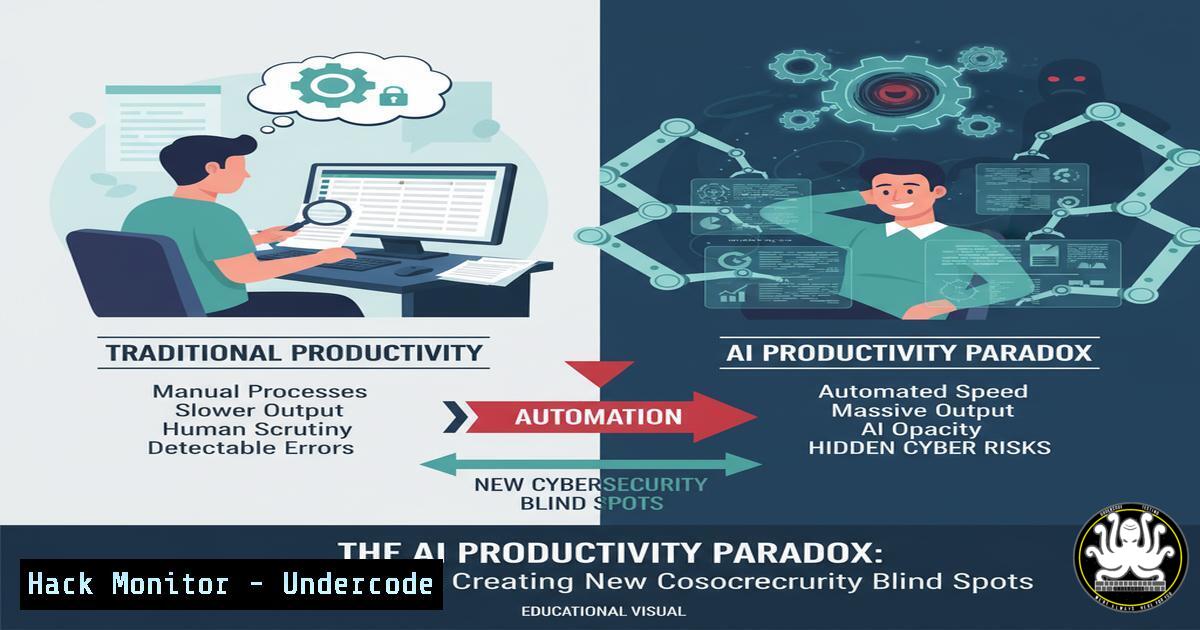
The relentless push to integrate AI for productivity gains is creating a shadow IT crisis of unprecedented scale. As employees leverage unauthorized AI tools to “10x their output,” they are inadvertently creating attack vectors that bypass traditional security controls, exposing corporate data and critical infrastructure.
Learning Objectives:
- Identify the top data exfiltration risks posed by shadow AI applications.
- Implement command-line monitoring to detect unauthorized AI tool usage.
- Harden endpoints and cloud configurations against AI-driven social engineering attacks.
You Should Know:
- Detecting Unauthorized AI CLI Tools on Enterprise Systems
Scan for common AI tool installations
ps aux | grep -E "(openai|anthropic|claude|chatgpt|llm)" | grep -v grep
netstat -tulpn | grep -E "(443|80)" | grep -E "(api.openai|api.anthropic)"

Check for environment variables containing AI API keys
env | grep -i "api_key"
grep -r "sk-" /home/ /etc/ /opt/ 2>/dev/null
This command sequence helps security teams identify unauthorized AI clients running on corporate endpoints. The first command scans running processes for common AI tool signatures, while the network check identifies outbound connections to AI API endpoints. The API key search is critical as exposed credentials in environment variables or config files represent significant data leakage risks.
2. Windows PowerShell AI Activity Monitoring
 Monitor PowerShell for AI-related activity
Get-WinEvent -FilterHashtable @{LogName='Microsoft-Windows-PowerShell/Operational'; StartTime=(Get-Date).AddHours(-24)} |
Where-Object {$<em>.Message -like "openai" -or $</em>.Message -like "anthropic" -or $_.Message -like "api.key"}

Check for AI browser extensions
Get-ChildItem "C:\Users\AppData\Local\Google\Chrome\User Data\Default\Extensions\" -Recurse |
Get-Content -ErrorAction SilentlyContinue | Select-String "api_key"
This PowerShell script audits Windows systems for AI tool usage through event logs and browser extensions. Many productivity-focused AI tools operate through browser plugins that can capture sensitive corporate data. Regular monitoring helps identify these unauthorized extensions before they lead to data breaches.
3. Network Traffic Analysis for AI Data Exfiltration
 Capture and analyze outbound AI traffic
tcpdump -i any -A 'host api.openai.com or host api.anthropic.com' -w ai_traffic.pcap

Analyze TLS certificates for AI domains
openssl s_client -connect api.openai.com:443 -servername api.openai.com < /dev/null | openssl x509 -noout -subject
Network-level monitoring provides visibility into AI tool usage that bypasses endpoint detection. The tcpdump command captures traffic to major AI providers, while the OpenSSL command helps verify legitimate TLS connections to prevent domain spoofing attacks that mimic AI services.
4. Container Security Hardening for AI Development
 Secure Dockerfile for AI applications
FROM python:3.9-slim
RUN useradd -m -s /bin/bash appuser
USER appuser
COPY --chown=appuser:appuser . /app
WORKDIR /app
RUN pip install --no-cache-dir -r requirements.txt
ENV OPENAI_API_KEY=""
CMD ["python", "app.py"]

Runtime security
docker run --read-only --tmpfs /tmp --security-opt=no-new-privileges ai-app
This Docker configuration demonstrates secure container practices for AI applications. Running as non-root user, using read-only filesystems, and disabling privilege escalation prevents container escape attacks that could compromise AI models and training data.
5. Cloud API Gateway Security for AI Endpoints
 AWS API Gateway rate limiting and monitoring
Resources:
AISecurityApi:
Type: AWS::ApiGateway::RestApi
Properties:
Name: AI-Security-API
UsagePlan:
Type: AWS::ApiGateway::UsagePlan
Properties:
Throttle:
BurstLimit: 100
RateLimit: 50
Quota:
Limit: 10000
Period: MONTH
This CloudFormation template implements critical rate limiting and monitoring for AI APIs. Without proper throttling, AI services can be abused for credential stuffing attacks or lead to excessive costs through API abuse.
6. Database Security for AI Training Data
-- PostgreSQL data masking for AI training
CREATE ROLE ai_trainer WITH LOGIN PASSWORD 'secure_password';
GRANT CONNECT ON DATABASE production TO ai_trainer;
GRANT USAGE ON SCHEMA public TO ai_trainer;
GRANT SELECT ON TABLE customer_data TO ai_trainer;

-- Create masked view for AI training
CREATE VIEW masked_customer_data AS
SELECT
id,
'' || SUBSTRING(email FROM 4) as email,
CONCAT(SUBSTRING(ssn FROM 1 FOR 3), '--') as ssn
FROM customer_data;
This SQL implementation demonstrates proper data governance for AI training datasets. By using database views with masked PII, organizations can safely provide data for AI training while maintaining compliance with privacy regulations.
7. Incident Response for AI Security Breaches
!/bin/bash
 AI security incident response script
echo "Isolating compromised system..."
iptables -A INPUT -s $(hostname -I) -j DROP

echo "Collecting AI-specific forensic data..."
journalctl -u docker --since "1 hour ago" | grep -i "ai|api" > /tmp/ai_incident.log
lsof -i :443,80 | grep -E "(openai|anthropic)" >> /tmp/ai_incident.log

echo "Rotating compromised API keys..."
 Implement key rotation logic for AI services
curl -X DELETE https://api.openai.com/v1/account/keys/key-12345 \
-H "Authorization: Bearer $OPENAI_ADMIN_KEY"
This incident response script provides immediate containment and forensic collection for AI-related security incidents. Quick isolation and API key rotation are critical when AI credentials are compromised to prevent further data exposure.
What Undercode Say:
- The productivity-driven AI adoption wave is creating security technical debt that will take years to remediate
- Traditional security frameworks are inadequate for addressing the unique data leakage risks of generative AI
The fundamental conflict between productivity demands and security protocols has reached a tipping point. Organizations encouraging AI adoption without implementing corresponding security controls are essentially building data exfiltration pipelines with corporate approval. The most significant risk isn’t malicious actors—it’s well-intentioned employees using unvetted AI tools that process sensitive corporate data through third-party APIs. Security teams must shift from prevention to detection and containment, implementing granular monitoring for AI-specific traffic patterns and data flows.
Prediction:
Within 18-24 months, we will see the first billion-dollar data breach directly attributable to shadow AI usage, forcing regulatory intervention and massive investments in AI-specific security frameworks. The current wild west approach to AI adoption will collapse under the weight of compliance violations and data privacy lawsuits, leading to standardized AI governance frameworks becoming mandatory for enterprise software procurement.
🎯Let’s Practice For Free:
IT/Security Reporter URL:
Reported By: Lucas Storm – Hackers Feeds
Extra Hub: Undercode MoN
Basic Verification: Pass ✅


