
Listen to this Post
Introduction:
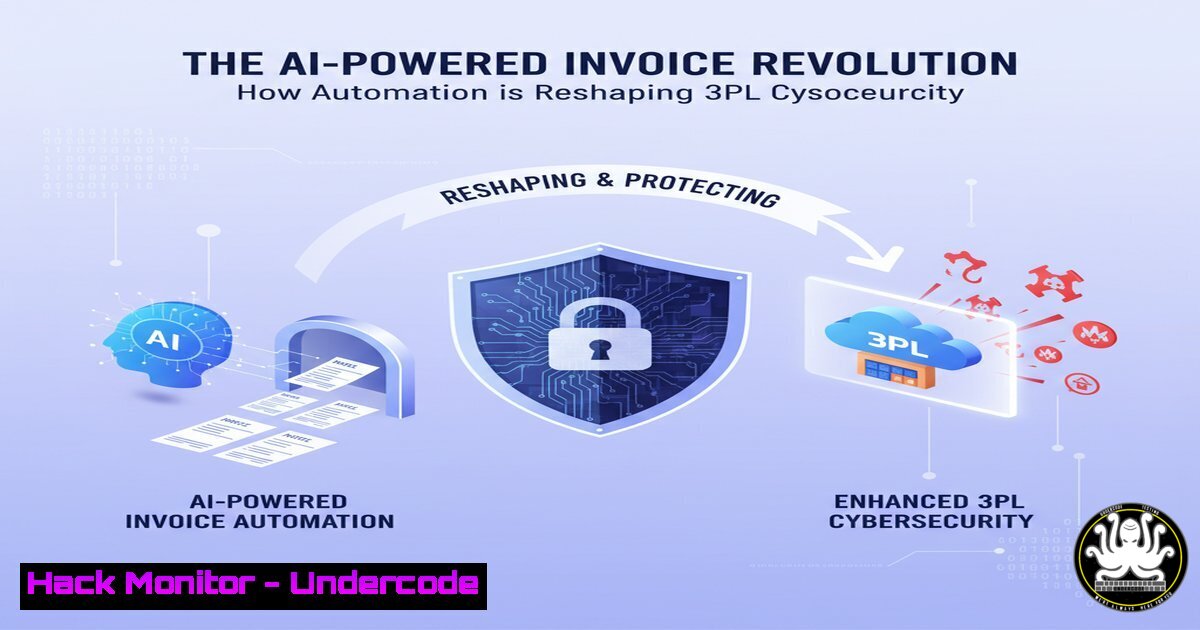
The logistics sector is rapidly adopting AI-driven automation platforms to streamline operations like invoicing and billing. This technological shift, while boosting efficiency, introduces a new frontier of cybersecurity risks centered around API vulnerabilities, data integrity, and complex AI-generated code. Understanding these threats is no longer optional for IT and security professionals in the supply chain industry.
Learning Objectives:
- Identify critical cybersecurity vulnerabilities in automated billing and AI-generated code systems.
- Implement hardening measures for cloud dashboards, APIs, and data storage.
- Develop an incident response plan for a compromised financial automation platform.
You Should Know:
1. Securing the API Gateway
APIs are the backbone of services like automated invoicing, making them a prime target.
 Use curl to test for common API security misconfigurations
curl -H "Authorization: Bearer $TOKEN" -X GET https://api.autaly.com/v1/billingRules | jq
 Check for excessive data exposure in the response

Scan for API vulnerabilities with Nikto
nikto -h https://api.autaly.com -id $API_KEY
Step-by-step guide:
The first command fetches billing rules from a hypothetical API endpoint. The `jq` tool parses the JSON output, allowing you to inspect for information leakage, such as internal IDs or user data. The second command uses Nikto, a web scanner, to probe the API host for known vulnerabilities like outdated server software or insecure headers. Regularly scanning and testing your API endpoints is crucial to prevent data breaches.
2. Auditing AI-Generated Code Functions
AI that “generates a function for your rule” can introduce security flaws if not properly vetted.
 Example: Static analysis of a Python function using Bandit
bandit -r /path/to/ai_generated_functions/

Sample AI-generated billing rule function (hypothetical)
def calculate_surcharge(weight, distance):
 AI might not sanitize inputs
rate = weight  distance  0.05
 Check for SQL injection vulnerability in a subsequent database call
query = f"INSERT INTO invoices (rate) VALUES ({rate})"  UNSAFE!
return rate
Step-by-step guide:
This snippet demonstrates a critical vulnerability: an SQL injection flaw in an AI-generated function. The `bandit` command is a static analysis security linter for Python. Running it on directories containing AI-generated code can automatically detect common security issues, including SQL injection, hardcoded passwords, and use of insecure modules. Always subject AI-generated code to rigorous security testing before deployment.
3. Hardening Real-Time Dashboard Data Streams
Real-time dashboards can expose sensitive operational data if not properly secured.
 Check for open ports on a dashboard server using netstat
netstat -tuln | grep :3000

Configure UFW (Uncomplicated Firewall) to restrict access
sudo ufw allow from 192.168.1.0/24 to any port 3000
sudo ufw deny 3000
Step-by-step guide:
The `netstat` command checks if the port for the dashboard service (e.g., port 3000 for a common development server) is exposed to all network interfaces. The subsequent commands use UFW to configure a firewall rule, allowing access only from a specific, trusted internal network (e.g., 192.168.1.0/24) and explicitly denying all other access to that port. This limits the attack surface.
4. Validating Data Integrity for Metered Billing
Metered billing relies on accurate data capture; compromised data leads to financial loss.
-- SQL query to audit metered billing data for anomalies
SELECT invoice_id, customer_id, usage_amount
FROM meter_readings
WHERE usage_amount > (SELECT AVG(usage_amount)  3 FROM meter_readings);
-- This finds usage spikes that are 3x the average, potentially indicating fraud or data manipulation.
Step-by-step guide:
This SQL query is a simple forensic tool to detect potential data tampering in a billing database. By identifying records where the `usage_amount` is significantly higher than the average, you can flag transactions for manual review. Implementing such integrity checks, alongside cryptographic hashing of critical logs, helps ensure billing data has not been altered maliciously.
5. Securing the Underlying Operating System
The servers hosting these platforms must be hardened, whether Linux or Windows.
 Linux: Check for failed SSH login attempts
sudo grep "Failed password" /var/log/auth.log

Linux: Check user account integrity
awk -F: '($3 == 0) {print}' /etc/passwd
 Lists all users with UID 0 (root privileges)
 Windows: Check for anomalous login events
Get-EventLog -LogName Security -InstanceId 4625 -Newest 10
 This pulls the 10 most recent failed logon events.

Windows: Verify the integrity of system files
sfc /scannow
Step-by-step guide:
These commands provide a basic security health check. On Linux, reviewing failed SSH logins can reveal brute-force attacks, and checking for unauthorized UID 0 accounts uncovers privilege escalation. On Windows, `Get-EventLog` helps monitor for credential-based attacks, and `sfc /scannow` checks for system file tampering. Regular OS-level hardening is the foundation of application security.
6. Container Security for Microservices
Modern platforms like Autaly are often built using containerized microservices.
 Dockerfile snippet with security best practices
FROM python:3.9-slim  Use a minimal base image
USER nobody  Do not run as root
COPY --chown=nobody:nobody . /app
WORKDIR /app
 Scan a Docker image for vulnerabilities using Trivy
trivy image autaly/billing-service:latest
Step-by-step guide:
The Dockerfile snippet minimizes the attack surface by using a slim base image and running the application as a non-root user. The `trivy` command is a comprehensive vulnerability scanner for container images. Integrating such scans into your CI/CD pipeline prevents deploying images with known critical vulnerabilities from public repositories.
7. Incident Response: Forensic Data Collection
If a breach is suspected, immediate and proper data collection is key.
 Create a timeline of file accesses on a Linux system
find /opt/autaly -type f -printf '%T+ %p\n' | sort -r > file_access_timeline.txt

Create a memory dump for advanced analysis (requires elevated privileges)
sudo dd if=/proc/kcore of=/secure_location/memory_dump.img bs=1M
Step-by-step guide:
The `find` command generates a sorted timeline of when files in the application directory were last modified, helping to trace an attacker’s actions. The `dd` command creates a binary copy of the system’s memory (a memory dump), which can be analyzed later with specialized tools to uncover malware and active network connections. These are first-response actions for a security incident.
What Undercode Say:
- The Attack Surface is Expanding: The integration of AI to generate custom business logic creates a dynamic and difficult-to-audit attack surface. Traditional code review processes are bypassed, potentially embedding vulnerabilities at scale.
- Data is the New Bullseye: Platforms that consolidate invoicing, pricing, and carrier data become high-value targets for ransomware and data exfiltration attacks. The financial and operational damage from a breach here is immense.
The convergence of AI, financial operations, and complex supply chain data creates a perfect storm for sophisticated cyber-attacks. Security can no longer be an afterthought; it must be integrated into the development and deployment lifecycle of these automation tools from day one. The promise of efficiency will be meaningless if it comes at the cost of catastrophic data loss or financial fraud.
Prediction:
The next 12-18 months will see the first major supply chain ransomware attack originating from a compromised AI-driven logistics platform. Attackers will not just encrypt data but will subtly manipulate AI-generated billing rules and pricing algorithms to siphon funds over time, creating a persistent, low-profile financial leak that is extremely difficult to detect. This will force a new regulatory focus on algorithmic integrity and cybersecurity audits for financial automation software in critical industries.
🎯Let’s Practice For Free:
IT/Security Reporter URL:
Reported By: Cathleenturner 3pl – Hackers Feeds
Extra Hub: Undercode MoN
Basic Verification: Pass ✅


