Listen to this Post
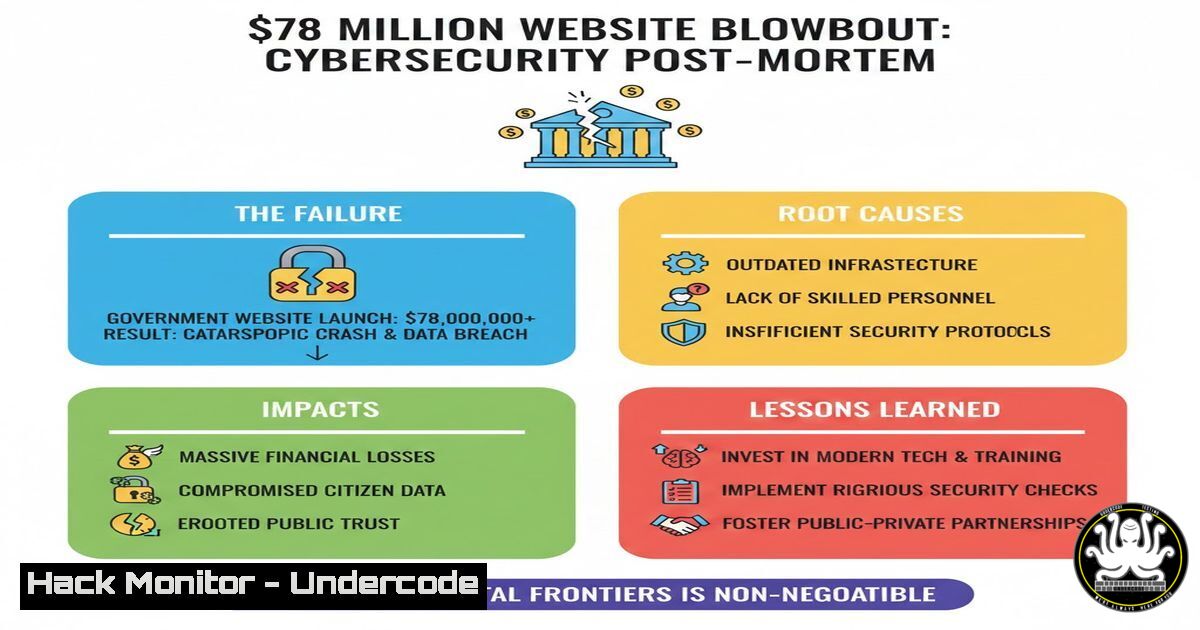
Introduction:
The revelation of a potential $78 million cost for a government website build by a large consultancy firm has sparked industry-wide alarm. This scenario exposes critical vulnerabilities in public sector procurement and project governance that directly impact national cybersecurity posture. When budgets balloon for basic digital services, it often indicates deeper flaws in technical oversight and strategic implementation.
Learning Objectives:
- Understand the cybersecurity and fiscal risks associated with “bait-and-switch” IT consultancy practices
- Learn technical mitigation strategies for securing government digital infrastructure against vendor exploitation
- Master audit procedures for detecting supply chain vulnerabilities in large-scale IT projects
You Should Know:
- The Supply Chain Attack Vector in Government IT
Government digital transformation projects represent high-value targets not just for external attackers, but for predatory vendor practices that create systemic security weaknesses. The “bait-and-switch” tactic mentioned in the original discussion often involves promising elite security talent during procurement, then delivering junior resources during implementation.
Step-by-step guide to auditing vendor security claims:
- Verify individual consultant certifications using automated scripts:
Python script to validate team credentials
import requests
from bs4 import BeautifulSoup</li>
</ul>

def verify_certifications(consultant_list):
verified = []
for consultant in consultant_list:
 Check CREST, CISSP, OSCP certifications
crest_status = requests.get(f"https://crest.org/verify/{consultant}")
if crest_status.status_code == 200:
verified.append(consultant)
return verified
– Conduct weekly architecture review sessions with actual implementation team
– Implement mandatory code signing and peer review requirements for all deliverables2. Detecting Scope Creep Through Security Control Gaps
The eight-year timeline mentioned in comments indicates severe scope management failures that create security debt. Each undocumented change request introduces potential vulnerability points that evade standard security testing protocols.
Step-by-step detection and mitigation:
- Establish automated security baseline monitoring:
Windows PowerShell script to detect unauthorized scope changes $BaselineHash = Get-FileHash "C:\webapp\security_config.json" $CurrentHash = Get-FileHash "C:\webapp\current_security_config.json" if ($BaselineHash.Hash -ne $CurrentHash.Hash) { Write-EventLog -LogName Application -Source "SecurityAudit" -EntryType Warning -EventId 1001 -Message "Unauthorized configuration change detected" } - Implement mandatory threat modeling for each change request
- Require security control verification before user acceptance testing
3. Cloud Cost Exploitation and Security Negligence
The astronomical cost suggests potential cloud resource exploitation where vendors over-provision services while under-delivering on security configurations. This creates both financial waste and security vulnerabilities through improperly configured services.
Step-by-step cloud hardening procedure:
 AWS CLI commands to audit and secure common over-provisioned services
aws ec2 describe-instances --query 'Reservations[].Instances[?State.Name==<code>running</code>]' --output table
aws configservice describe-config-rules --query 'ConfigRules[?ConfigRuleState==<code>ACTIVE</code>]' --output table
 Remediate findings immediately
aws ec2 modify-instance-attribute --instance-id i-1234567890abcdef0 --no-disable-api-termination
4. API Security in Government Digital Services
Modern government websites rely heavily on APIs that become attack surfaces when improperly implemented by rushed teams. The comments suggest quality compromises that inevitably extend to security implementations.
Step-by-step API security implementation:
 Flask API with essential government-grade security headers
from flask import Flask, jsonify
from flask_limiter import Limiter
from flask_limiter.util import get_remote_address

app = Flask(<strong>name</strong>)
limiter = Limiter(app, key_func=get_remote_address)

@app.route('/api/v1/citizen-data')
@limiter.limit("100 per day")
def citizen_data():
response = jsonify({"data": "sensitive_information"})
response.headers.add('Strict-Transport-Security', 'max-age=31536000; includeSubDomains')
response.headers.add('X-Content-Type-Options', 'nosniff')
return response
5. Continuous Security Monitoring for Long-Term Projects
The multi-year timeline mentioned requires robust continuous monitoring to detect security degradation. Traditional point-in-time assessments become useless over such extended periods.
Step-by-step monitoring implementation:
- Deploy automated vulnerability scanning cadence:
Cron job for weekly security scans
0 2   1 /usr/bin/nmap -sV --script vuln -oA /var/log/security_scan/weekly_scan target.gov.au
- Implement security scorecard tracking with automated executive reporting
- Establish rotating independent penetration testing every quarter
6. Procurement Policy as Cybersecurity Control
The comments highlighting missing “heads of policy” reveal how procurement weaknesses enable technical vulnerabilities. Strong procurement language serves as a primary cybersecurity control.
Step-by-step procurement security requirements:
- Mandate third-party code audit clauses in all contracts
- Require escrow of all custom-developed security tools
- Implement mandatory cybersecurity performance bonds
- Establish clear liquidated damages for security control failures
7. Skills Transfer and Exit Strategy Security
The original post champions local Australian talent, highlighting the risk of knowledge concentration with external vendors. Proper skills transfer becomes a security imperative to prevent operational collapse during transition.
Step-by-step knowledge transfer security:
- Implement mandatory pair programming requirements:
DevOps pipeline enforcement of knowledge sharing
jenkins:
stages:</li>
<li>security_review:
requires: ["senior_engineer_approval"]</li>
<li>knowledge_transfer:
documentation_required: true
video_walkthrough: required
- Create encrypted knowledge repositories with mandatory contribution requirements
- Establish succession planning security review gates
What Undercode Say:
- Vendor management represents the new perimeter security – procurement weaknesses create technical vulnerabilities that cannot be patched
- The true cost of IT failures extends beyond budget to national security through accumulated technical debt
- Local talent development isn’t just economic policy – it’s essential cybersecurity infrastructure
The $78 million figure represents more than fiscal irresponsibility; it indicates systemic security governance failure. When projects reach this scale of budget distortion, security invariably becomes the first casualty through rushed implementations, undocumented workarounds, and frustrated security teams. The comments highlighting missing policy roles reveal the root cause: cybersecurity begins in procurement offices, not server rooms. Australia’s continued outsourcing of critical digital infrastructure creates structural vulnerabilities that adversaries systematically exploit.
Prediction:
Within two years, a major nation-state cyber incident will be directly traced to vendor management failures in government IT projects similar to this case. The accumulated security technical debt from underqualified implementation teams, inadequate documentation, and rushed security testing will create exploitable vulnerabilities across multiple government services. This will trigger mandatory cybersecurity bonding requirements for government vendors and create new insurance markets for IT project security guarantees. The industry will see emergence of “cyber project governance” as a specialized discipline bridging procurement and technical security controls.
🎯Let’s Practice For Free:
IT/Security Reporter URL:
Reported By: Vaughan Shanks – Hackers Feeds
Extra Hub: Undercode MoN
Basic Verification: Pass ✅🔐JOIN OUR CYBER WORLD [ CVE News • HackMonitor • UndercodeNews ]
📢 Follow UndercodeTesting & Stay Tuned:
- Establish automated security baseline monitoring:


