Listen to this Post
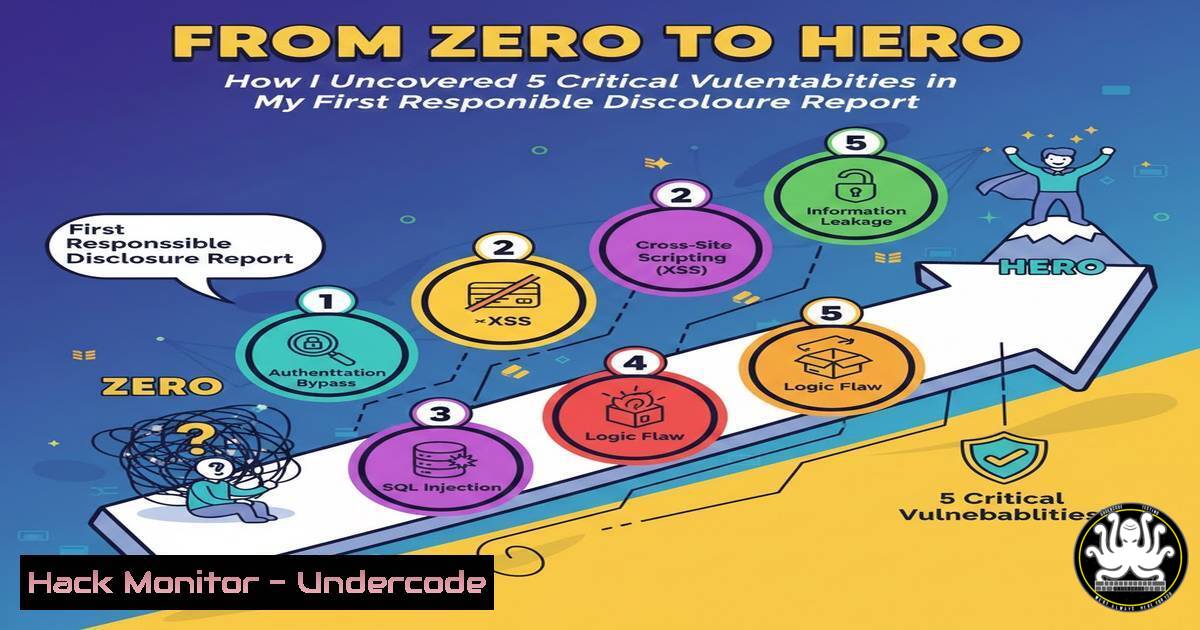
Introduction:
Responsible vulnerability disclosure is a cornerstone of ethical cybersecurity, where researchers report security flaws to organizations before they are exploited. This process not only safeguards digital assets but also fosters a collaborative security culture. In this article, we delve into the journey of a security researcher who identified and reported critical issues, highlighting the technical steps and best practices for effective vulnerability management.
Learning Objectives:
- Understand the severity levels of vulnerabilities (Critical, High, Medium) and their impact on systems.
- Learn the step-by-step process of responsible disclosure, from discovery to remediation.
- Gain hands-on skills with tools and commands for vulnerability assessment and mitigation in Linux and Windows environments.
You Should Know:
1. Understanding Vulnerability Severity Levels
Vulnerability severity is typically categorized using frameworks like CVSS (Common Vulnerability Scoring System). Critical issues often allow remote code execution or data breaches, while High and Medium issues might involve privilege escalation or information disclosure. For instance, a Critical vulnerability could be an SQL injection in a login page, enabling attackers to take over a database.
Step-by-step guide:
- Step 1: Assess the vulnerability’s impact. Use CVSS calculator online to score issues based on exploitability, scope, and impact.
- Step 2: Classify findings. Critical: CVSS 9.0-10.0, High: 7.0-8.9, Medium: 4.0-6.9. For example, an unauthenticated remote code execution might score 9.8.
- Step 3: Document each issue with proof-of-concept (PoC) details. Include screenshots, logs, and steps to reproduce.
2. The Responsible Disclosure Process
Responsible disclosure involves privately reporting vulnerabilities to the vendor, allowing time for patches before public disclosure. This ethical approach prevents misuse while ensuring fixes are deployed.
Step-by-step guide:
- Step 1: Identify the organization’s security contact via their website (e.g., /security page) or use platforms like HackerOne or Bugcrowd.
- Step 2: Craft a detailed report. Include vulnerability description, severity, affected components, and PoC. Use encrypted email (PGP) for sensitive data.
- Step 3: Follow up politely. Allow 90 days for remediation, as per standard disclosure timelines. If no response, consider coordinated disclosure with CERTs.
3. Tools for Vulnerability Assessment
Effective assessment requires tools like Nmap for scanning, Burp Suite for web testing, and OpenVAS for automated audits. These tools help identify misconfigurations and weaknesses.
Step-by-step guide:
- Step 1: Network scanning with Nmap. On Linux, run `sudo nmap -sV -O -p-
` to discover open ports and services. - Step 2: Web application testing with Burp Suite. Configure proxy settings in your browser, intercept requests, and use Scanner to detect SQLi or XSS.
- Step 3: Automated scanning with OpenVAS. Install via `sudo apt install openvas` on Kali Linux, set up admin credentials, and run a full scan against targets.
4. Exploiting Common Web Vulnerabilities for Education
Understanding exploitation is key to mitigation. Common flaws include SQL injection, cross-site scripting (XSS), and insecure APIs. Always test in controlled environments like labs.
Step-by-step guide:
- Step 1: SQL injection exploit. Use `sqlmap -u “http://example.com/login.php” –data=”user=admin&pass=test” –dbs` to enumerate databases.
- Step 2: XSS payload testing. Inject `` into input fields and observe if it executes in browsers.
- Step 3: API security testing. Tools like Postman can send malicious JSON payloads to endpoints, checking for injection or broken authentication.
5. Mitigation Strategies for Critical Issues
Remediation involves patching, configuration hardening, and monitoring. For Critical vulnerabilities like remote code execution, immediate action is required.
Step-by-step guide:
- Step 1: Apply patches. On Windows, use `wuauclt /detectnow` to force update checks; on Linux, `sudo apt update && sudo apt upgrade` for Debian-based systems.
- Step 2: Harden configurations. For web servers, disable unnecessary services (e.g., `sudo systemctl disable apache2` if not needed) and set strict firewall rules with `iptables -A INPUT -p tcp –dport 80 -j DROP` for unused ports.
- Step 3: Implement WAF (Web Application Firewall) rules. Use ModSecurity on Apache with `sudo a2enmod security2` to block injection attacks.
6. Writing a Professional Vulnerability Report
A clear report ensures vendors understand and act on findings. Include executive summary, technical details, and remediation advice.
Step-by-step guide:
- Step 1: Structure the report with sections: , Summary, Vulnerability Details (with CVSS), Steps to Reproduce, Impact, and Recommendations.
- Step 2: Provide PoC code snippets. For example, include Python scripts that demonstrate the exploit, such as a simple HTTP request loop to test for rate limiting flaws.
- Step 3: Use templates from platforms like OWASP or SANS to ensure completeness. Attach logs and screenshots for clarity.
- Building a Career in Cybersecurity Through Hands-On Practice
Engaging in bug bounty programs and labs like TryHackMe or Hack The Box builds practical skills. Continuous learning is essential for growth.
Step-by-step guide:
- Step 1: Set up a home lab. Use VirtualBox to create VMs for Kali Linux (attacker) and Metasploitable (target). Install via `sudo apt install virtualbox` on Linux.
- Step 2: Participate in CTF challenges. Platforms like OverTheWire offer war games with commands like `ssh [email protected] -p 2220` to practice Linux security.
- Step 3: Document your findings in a blog or GitHub portfolio. Share reports ethically to showcase expertise to employers.
What Undercode Say:
- Key Takeaway 1: Responsible disclosure transforms individual research into collective security improvements, reducing risk for organizations and users alike. It requires technical proficiency and ethical discipline to balance discovery with discretion.
- Key Takeaway 2: Hands-on vulnerability assessment is not just about tools; it involves critical thinking to interpret results and prioritize issues based on real-world impact. This iterative process enhances both defensive and offensive skills.
Analysis: The researcher’s milestone underscores the importance of practical experience in cybersecurity education. By reporting vulnerabilities, they contributed to the security lifecycle, demonstrating how ethical hacking can preempt attacks. This approach aligns with industry trends where proactive defense is valued over reactive measures. However, it also highlights challenges, such as ensuring vendors respond promptly and researchers avoid legal pitfalls. Overall, such initiatives foster a transparent security ecosystem where collaboration mitigates threats more effectively than secrecy.
Prediction:
The future of cybersecurity will see increased reliance on responsible disclosure programs as attack surfaces expand with IoT and cloud adoption. Organizations will integrate more automated tools with AI-driven vulnerability scanning, but human expertise will remain crucial for complex assessments. This shift will lead to standardized disclosure protocols globally, reducing time-to-patch and minimizing zero-day exploits. As a result, security researchers will play a pivotal role in shaping resilient digital infrastructures, with bug bounties becoming a mainstream component of corporate security budgets.
▶️ Related Video (76% Match):
🎯Let’s Practice For Free:
IT/Security Reporter URL:
Reported By: Harshit Goswami – Hackers Feeds
Extra Hub: Undercode MoN
Basic Verification: Pass ✅


