
Listen to this Post
Introduction:
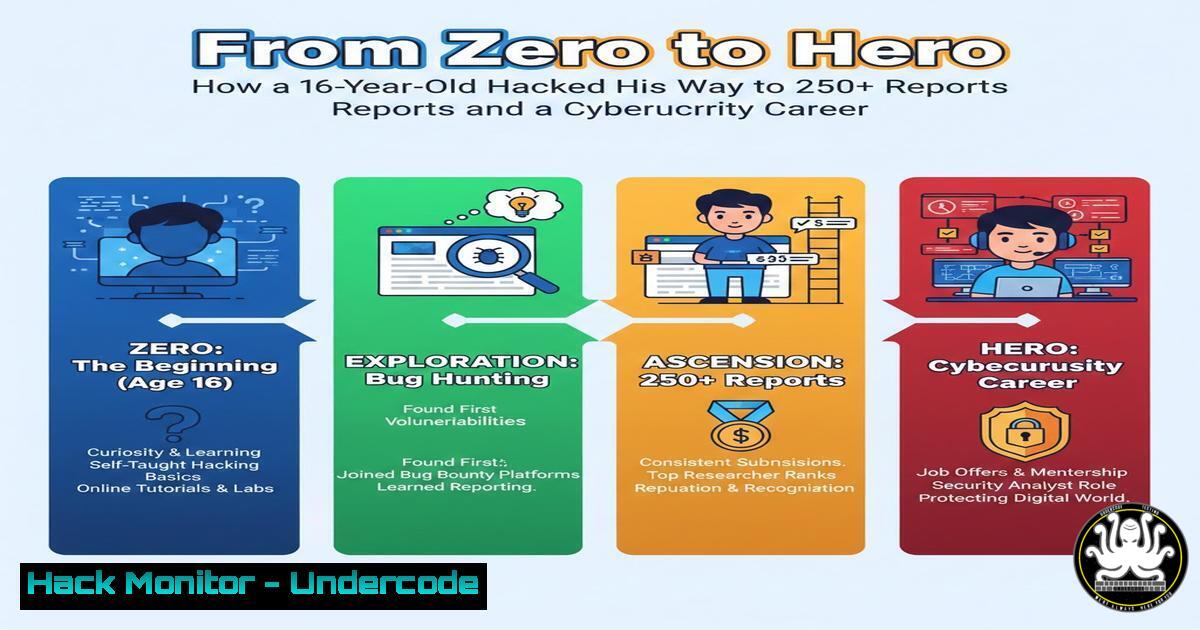
The cybersecurity landscape is being reshaped by a new generation of self-taught, disciplined hunters who turn curiosity into a formidable skill set. Vedant Vhatkar’s journey from a novice to a recognized ethical hacker in under a year demonstrates that a structured, relentless approach to bug bounty hunting can accelerate career development faster than traditional pathways. This case study deconstructs the methodology behind such rapid success, providing a blueprint for aspiring security researchers.
Learning Objectives:
- Deconstruct the actionable learning path from beginner to proficient bug bounty hunter.
- Implement foundational reconnaissance and vulnerability assessment techniques.
- Develop a professional workflow for responsible disclosure and report writing.
You Should Know:
1. Building the Foundation: Curated Learning Paths
The journey begins not with random hacking, but with structured knowledge. A successful hunter must understand the Open Web Application Security Project (OWASP) Top 10, web protocols (HTTP/HTTPS, cookies, headers), and basic networking.
Step‑by‑step guide explaining what this does and how to use it.
Step 1: Master the Basics. Enroll in free, high-quality courses. Start with PortSwigger’s “Web Security Academy” or the “Introduction to Cybersecurity” path on TryHackMe. These platforms offer interactive labs.
Step 2: Set Up Your Lab. Create a controlled environment for practice. Use virtualization software like VirtualBox to run intentionally vulnerable machines from VulnHub or OWASP Juice Shop.
Step 3: Learn Tool Fundamentals. Begin with the essential toolkit: Burp Suite Community (proxy), Nmap (scanning), and a browser’s Developer Tools. Don’t just use them; understand what each flag and configuration does.
- The Art of Reconnaissance: Passive & Active Information Gathering
Reconnaissance is the process of collecting intelligence about a target. This phase often determines the success of a hunt by uncovering hidden endpoints, subdomains, and technologies.
Step‑by‑step guide explaining what this does and how to use it.
Step 1: Passive Enumeration. Use online tools to gather data without touching the target. For a target example.com:
Find subdomains: `subfinder -d example.com -silent` or use online services like SecurityTrails.
Check historical data: Use the Wayback Machine (urlscan.io) to discover old, forgotten endpoints.
Step 2: Active Enumeration. Now, interact with the target.
Port Scan: `nmap -sV -sC -oA scan_example example.com` to identify open ports and services.
Directory Bruteforcing: Use gobuster dir -u https://example.com -w /usr/share/wordlists/dirb/common.txt -t 50.
Step 3: Technology Stack Identification. Use Wappalyzer (browser extension) or `whatweb example.com` to identify frameworks, CMS, and server software, which points to version-specific vulnerabilities.
3. Vulnerability Discovery: From Theory to Practice
Applying knowledge to find flaws requires a methodological approach. Start with common, high-impact vulnerabilities.
Step‑by‑step guide explaining what this does and how to use it.
Step 1: Test for Injection Flaws. For SQLi, use automated tools cautiously and understand manual techniques like ' OR '1'='1. Test all input fields.
Step 2: Check for Broken Access Control. Log in as a low-privilege user and attempt to access administrative endpoints by manipulating URL parameters (e.g., /admin, /api/user/123). Try changing the user ID to another’s.
Step 3: Hunt for Cross-Site Scripting (XSS). Test every reflection point. A simple payload: <script>alert(document.domain)</script>. Use the browser console to test for DOM-based XSS by monitoring `source` and `sink` functions.
4. The Professional Workflow: Documentation and Responsible Disclosure
Finding a bug is only 40% of the work. A clear, reproducible report is what leads to acceptance, bounty, and recognition.
Step‑by‑step guide explaining what this does and how to use it.
Step 1: Proof of Concept (PoC). Document everything. Use screen recording software (e.g., OBS) or, at minimum, detailed screenshots. Clearly show the steps from an unauthenticated state to exploitation.
Step 2: Write the Report. Structure it professionally:
1. Concise summary (e.g., “SQL Injection in `/login.php` parameter user_id“).
2. Risk & CVSS Score: Assess impact (Critical/High/Medium/Low).
3. Vulnerability Details: URL, Parameter, Payload.
4. Steps to Reproduce: Numbered, clear steps.
- Impact: What can an attacker achieve? (Data theft, account takeover).
6. Suggested Remediation.
Step 3: Responsible Disclosure. Submit via the platform’s designated channel (HackerOne, Bugcrowd, or company security email). Never threaten or demand payment.
5. Sharpening the Edge: Consistency and Mentorship
Progress is non-linear. A consistent practice schedule and guidance from experienced researchers are force multipliers.
Step‑by‑step guide explaining what this does and how to use it.
Step 1: Schedule Daily Learning. Dedicate 1-2 hours daily to studying one vulnerability type, reading write-ups on PentesterLand, or practicing on a lab.
Step 2: Engage with the Community. Follow top researchers on Twitter/X, join Discord servers (e.g., The Cyber Mentor, Bug Bounty Forum), and participate in Capture The Flag (CTF) events.
Step 3: Seek a Mentor. As Vedant’s story highlights, a mentor like Pratik Gaikwad can provide direction, review your reports, and push your technical thinking. Engage respectfully; show you’ve done the groundwork first.
What Undercode Say:
- Discipline Trumps Raw Talent: The staggering output of 250+ reports in months underscores that a systematic, daily practice regimen is more valuable than sporadic bursts of “genius.” This is a replicable process, not magic.
- The Mentorship Multiplier: Guidance from an experienced professional accelerates learning by providing critical feedback, preventing burnout, and teaching the unwritten rules of professional engagement and responsible disclosure.
Analysis: Vedant’s trajectory dismantles the traditional gatekeeping of age and formal degrees in cybersecurity. It validates a competency-based model where skill, proven through platforms like HackerOne, is the ultimate credential. His focus on “consistency and discipline” over speed is a crucial lesson in an industry obsessed with shortcuts. The high ratio of accepted/informational reports (85 out of 139 resolved) indicates a developing skill in triage and identifying valid security issues, a skill more important than merely finding bugs. This path, while demanding, democratizes access to a high-growth career.
Prediction:
The “Teen Hacker” phenomenon will intensify, leading organizations to formally integrate bug bounty platforms into early talent recruitment pipelines. By 2026-2027, we predict a significant portion of entry-level SOC analyst and junior penetration tester roles will be filled by candidates who have demonstrated skill through public bounty platforms and CTF rankings, forcing traditional education providers to adapt with more practical, lab-based curricula. Furthermore, the rise of AI-assisted vulnerability discovery tools will raise the baseline, making the human skills of methodological rigor, creative exploitation chaining, and professional communication even more critical differentiators for top hunters.
▶️ Related Video (72% Match):
🎯Let’s Practice For Free:
IT/Security Reporter URL:
Reported By: Vedant T – Hackers Feeds
Extra Hub: Undercode MoN
Basic Verification: Pass ✅


