
Listen to this Post
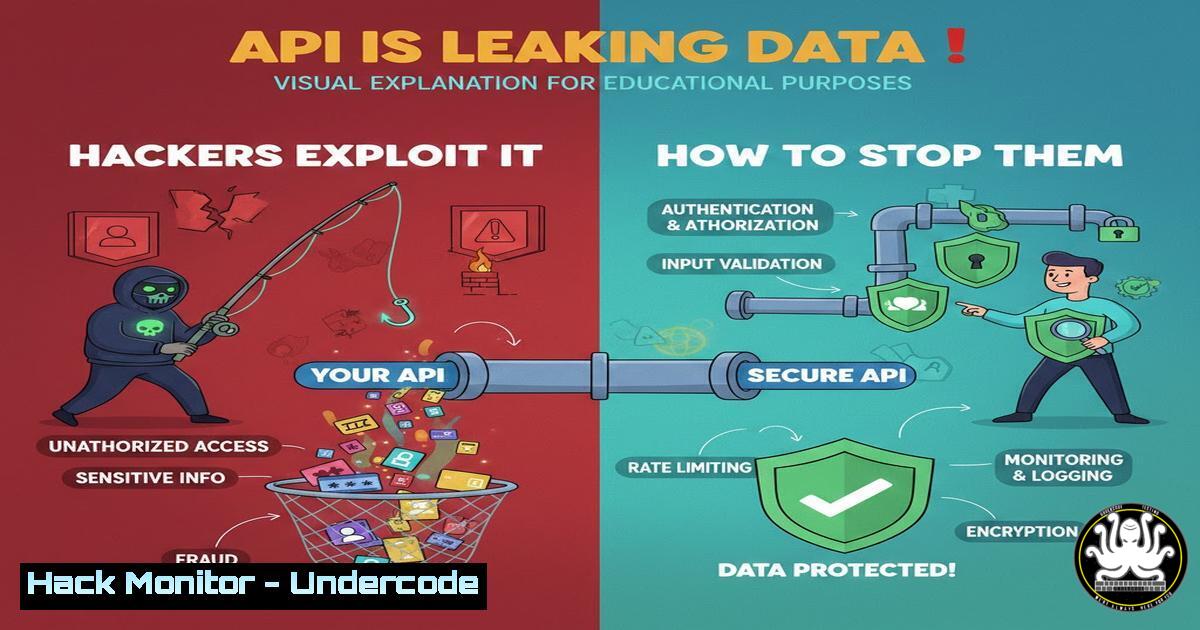
Introduction:
APIs are the backbone of modern applications, but they are increasingly targeted by attackers due to misconfigurations and vulnerabilities. Understanding how to secure APIs is critical for protecting sensitive data and maintaining system integrity. This article delves into common API security flaws, practical exploitation techniques, and robust mitigation strategies.
Learning Objectives:
- Identify top API vulnerabilities like broken object-level authorization and injection flaws.
- Use tools like Burp Suite and Postman to test API security.
- Implement hardening measures for cloud-based and on-premises API deployments.
You Should Know:
1. Broken Object Level Authorization (BOLA) Exploitation
Step‑by‑step guide explaining what this does and how to use it.
BOLA allows attackers to access unauthorized resources by manipulating object IDs in API requests. To test for BOLA, start by intercepting a legitimate API request that includes an object ID (e.g., /api/users/123). Use Burp Suite to capture the request and modify the ID to another user’s resource (e.g., 124). If the API returns data without proper authorization, it’s vulnerable. On Linux, you can use `curl` for quick testing: `curl -H “Authorization: Bearer
2. Injection Attacks in API Parameters
Step‑by‑step guide explaining what this does and how to use it.
APIs often process user input in queries, which can lead to SQL or NoSQL injection. For SQL injection, use tools like SQLmap to automate testing. First, capture an API request with parameters and save it to a file (e.g., request.txt). Run `sqlmap -r request.txt –batch` to scan for vulnerabilities. For manual testing on Windows PowerShell, simulate a malicious payload: Invoke-WebRequest -Uri "https://api.example.com/data?query=admin' OR '1'='1". To prevent injections, always use parameterized queries and input validation. In Node.js, employ libraries like `pg-parameterized` for PostgreSQL, and sanitize inputs with express-validator.
3. Sensitive Data Exposure via Unencrypted Endpoints
Step‑by‑step guide explaining what this does and how to use it.
APIs transmitting data over HTTP or using weak encryption can leak credentials. Use `nmap` on Linux to check for TLS misconfigurations: nmap --script ssl-enum-ciphers -p 443 api.example.com. Ensure APIs enforce HTTPS by redirecting HTTP traffic. In cloud environments like AWS API Gateway, enable SSL/TLS and use AWS Certificate Manager. Additionally, scan for exposed data with `gobuster` to find hidden endpoints: gobuster dir -u https://api.example.com -w /usr/share/wordlists/api.txt. Always encrypt data at rest and in transit using AES-256 and TLS 1.3.
4. Rate Limiting Bypass for DoS Attacks
Step‑by‑step guide explaining what this does and how to use it.
Attackers bypass rate limits to launch denial-of-service attacks, overwhelming APIs. Test limits by sending rapid requests using `wrk` on Linux: `wrk -t12 -c400 -d30s https://api.example.com/login`. If the API lacks IP-based or token-based throttling, it’s vulnerable. Implement rate limiting in Nginx with `limit_req_zone` and `limit_req` directives. For cloud APIs, use AWS WAF or Azure API Management policies. Monitor logs with `journalctl -u nginx` to detect anomalies. Harden by combining rate limits with CAPTCHAs and exponential backoff for failed attempts.
5. Misconfigured CORS and Headers
Step‑by‑step guide explaining what this does and how to use it.
Cross-Origin Resource Sharing (CORS) misconfigurations allow unauthorized domains to access APIs. Test by sending an Origin header from a malicious site using curl: curl -H "Origin: https://evil.com" -v https://api.example.com/data`. If the response includesAccess-Control-Allow-Origin: `, it’s insecure. Fix by specifying allowed origins in your web server; for Apache, add `Header set Access-Control-Allow-Origin “trusted.com”to.htaccess`. Also, set security headers like `Content-Security-Policy` and `X-Frame-Options` to prevent clickjacking.
6. API Key Management and Leakage
Step‑by‑step guide explaining what this does and how to use it.
Hard-coded or exposed API keys in source code lead to unauthorized access. Use `truffleHog` on Linux to scan Git repositories for secrets: trufflehog git https://github.com/example/repo --json. Rotate keys regularly and store them in environment variables or secrets managers like HashiCorp Vault. For Windows, use PowerShell to audit key usage: Get-WinEvent -LogName Security | Where-Object {$_.Message -like "API"}. Implement OAuth 2.0 with short-lived tokens and monitor for anomalies with SIEM tools.
7. Cloud API Hardening for AWS and Azure
Step‑by‑step guide explaining what this does and how to use it.
Cloud APIs often have overly permissive policies. Use AWS CLI to audit IAM roles: aws iam list-policies --scope Local. Restrict policies with least privilege and enable CloudTrail logging. For Azure, check API permissions with az ad app list --query "[].{displayName:displayName, requiredResourceAccess:requiredResourceAccess}". Harden by configuring network ACLs and using private endpoints. Automate scanning with ` ScoutSuite` for multi-cloud assessments: python scout.py --provider aws --report-dir ./report.
What Undercode Say:
- Key Takeaway 1: API security is not just about authentication; it requires layered defense including authorization, encryption, and monitoring to prevent data breaches.
- Key Takeaway 2: Regular penetration testing and automation are essential for identifying vulnerabilities before attackers do, reducing the window of exposure.
Analysis: APIs are increasingly complex and integrated with AI-driven services, making them prime targets. The rise of IoT and microservices expands the attack surface, requiring DevOps teams to adopt security-by-design principles. Organizations must prioritize API security in SDLC, using tools like OWASP ZAP and incorporating threat modeling. Failure to do so can result in regulatory fines and reputational damage, as seen in recent breaches.
Prediction:
As AI and machine learning APIs become ubiquitous, attackers will leverage AI to find and exploit vulnerabilities at scale, leading to more sophisticated automated attacks. However, this will also drive innovation in AI-powered security tools for real-time threat detection and response. In the next five years, we expect standardized API security frameworks and increased adoption of zero-trust architectures, making API hardening a core competency for IT teams.
▶️ Related Video (78% Match):
🎯Let’s Practice For Free:
IT/Security Reporter URL:
Reported By: Evankirstel History – Hackers Feeds
Extra Hub: Undercode MoN
Basic Verification: Pass ✅


