Listen to this Post
Introduction:
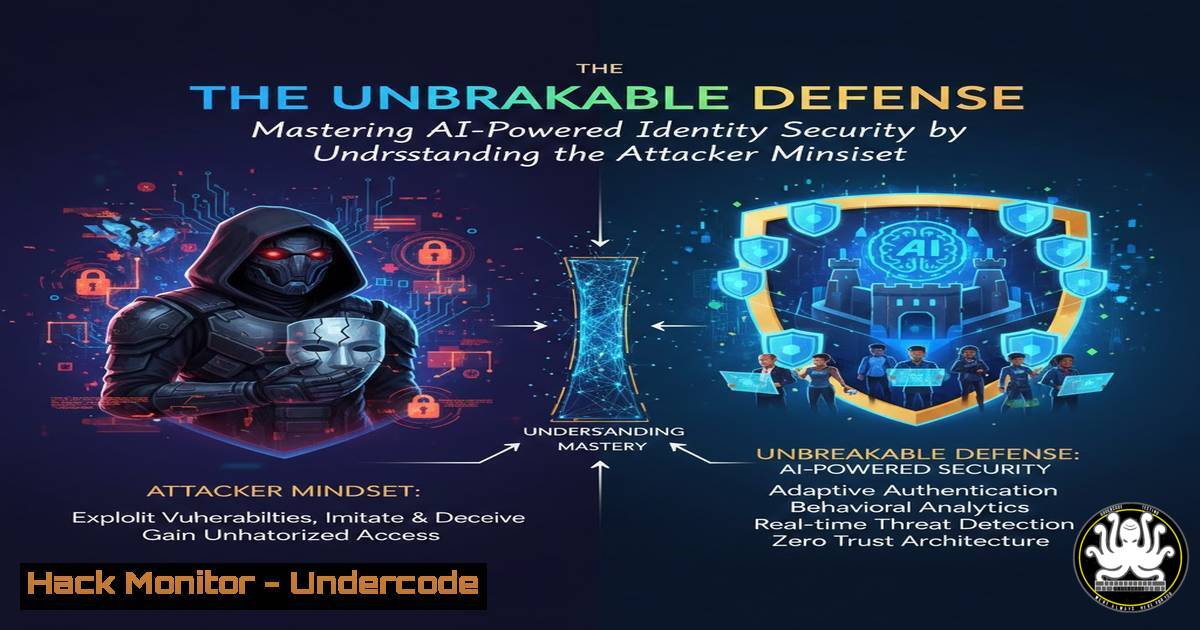
The IdentityShield Summit 2026 emphasized that proactive cybersecurity hinges on understanding attacker psychology, with AI and identity security as critical enablers. This article delves into actionable strategies to transform threat intelligence into unbreakable defenses, aligning with the summit’s core theme of a “well-informed offense.” We’ll explore technical implementations that blend human insight with automated tools to safeguard modern infrastructures.
Learning Objectives:
- Implement AI-driven threat detection systems for real-time network monitoring.
- Deploy zero-trust identity security models to protect against credential-based attacks.
- Conduct penetration testing simulations to identify and mitigate vulnerabilities proactively.
You Should Know:
1. AI-Powered Threat Detection with Machine Learning
The summit highlighted AI’s role in predicting threats before they escalate. By training models on network traffic patterns, you can detect anomalies indicative of breaches. Start by setting up an open-source intrusion detection system (IDS) like Snort with machine learning plugins. On Linux, install Snort and integrate it with tools like Apache Spark for data processing.
Step‑by‑step guide:
- Update your system: `sudo apt update && sudo apt upgrade -y` (Linux) or `Get-WindowsUpdate -Install` (Windows PowerShell).
- Install Snort: `sudo apt install snort -y` and configure it via
/etc/snort/snort.conf. - Add machine learning rules using Python scripts: Use libraries like Scikit-learn to analyze packet captures. For example, train a model to flag unusual DNS queries with code snippets like:
from sklearn.ensemble import IsolationForest import pandas as pd data = pd.read_csv('network_traffic.csv') model = IsolationForest(contamination=0.1) predictions = model.fit_predict(data) - Integrate alerts into SIEM tools like Splunk for real-time monitoring.
2. Zero Trust Identity and Access Management (IAM)
Identity security is the new perimeter, requiring strict verification for every access request. Implement zero-trust principles using multi-factor authentication (MFA) and least-privilege access. For cloud environments like AWS, use IAM policies and Azure AD for hybrid setups.
Step‑by‑step guide:
- In AWS, create an IAM user with MFA enabled: Use the AWS CLI command `aws iam create-user –user-name secure_user` and then
aws iam enable-mfa-device. - Set up policy boundaries: Attach a policy like `”Effect”: “Deny”` for unauthorized regions. For on-premises Windows servers, configure Group Policy: `gpedit.msc` to enforce MFA via Windows Hello.
- Use OpenID Connect for API access: Implement OAuth2 flows with tools like Keycloak. Example Docker setup:
docker run -p 8080:8080 -e KEYCLOAK_ADMIN=admin keycloak/keycloak start-dev.
3. Penetration Testing to Simulate Attacker Mindset
Red teaming exercises reveal gaps by mimicking adversary tactics. Use tools like Nmap for reconnaissance and Metasploit for exploitation, always in authorized environments. This aligns with the summit’s focus on offensive knowledge.
Step‑by‑step guide:
- Perform network scanning: On Linux, run `nmap -sV -O target_IP` to identify open ports and services.
- Exploit vulnerabilities: In Metasploit, use commands like `use exploit/windows/smb/ms17_010_eternalblue` after setting payloads. Mitigate by patching systems: On Windows, apply updates via
wusa.exe update.msu /quiet. - Document findings with reports using Dradis or manual logs for remediation.
4. Cloud Hardening for Critical Infrastructure
As noted in the post, national critical infra like CSMIA requires robust cloud security. Harden AWS, Azure, or GCP by configuring encryption, security groups, and audit logs.
Step‑by‑step guide:
- Enable encryption at rest: In AWS S3, use
aws s3api put-bucket-encryption --bucket my-bucket --server-side-encryption AES256. - Restrict access with NACLs: In Azure, set up Network Security Groups via PowerShell:
New-AzNetworkSecurityRuleConfig -Name "DenyAll" -Access Deny. - Monitor with CloudTrail and Azure Monitor: Set alerts for unauthorized API calls using
aws cloudtrail lookup-events --lookup-attributes AttributeKey=Username,AttributeValue=root.
5. API Security to Prevent Data Breaches
APIs are prime targets; secure them with authentication, rate limiting, and input validation. The summit’s AI-powered security discussions extend to API anomaly detection.
Step‑by‑step guide:
- Implement JWT tokens: In Node.js, use `jsonwebtoken` library to sign tokens:
jwt.sign({ user: 'id' }, 'secret_key', { expiresIn: '1h' }). - Add rate limiting: With Nginx, configure `limit_req_zone` in `/etc/nginx/nginx.conf` to block brute-force attacks.
- Scan for vulnerabilities: Use OWASP ZAP via Docker: `docker run -v $(pwd):/zap/wrk -t owasp/zap2docker-stable zap-baseline.py -t https://api.example.com`.
6. Vulnerability Exploitation and Mitigation
Understand common vulnerabilities like SQL injection or misconfigurations to patch them swiftly. Use scanning tools and apply fixes across OS platforms.
Step‑by‑step guide:
- Identify vulnerabilities: On Linux, run OpenVAS: `gvm-setup` and scan with
gvm-cli --gmp-username admin socket --xml "<get_tasks/>". - Exploit for testing: In a lab, simulate SQL injection with
sqlmap -u "http://test.com/login" --dbs. Mitigate by sanitizing inputs in code: Use parameterized queries in PHP:$stmt = $pdo->prepare("SELECT FROM users WHERE email = ?");. - Patch systems: On Windows, use `sconfig` in Server Core for updates; on Linux, `sudo unattended-upgrade –dry-run` for automated patches.
7. Continuous Security Training and Awareness
The summit stressed learning and growth; implement training programs to keep teams updated on threats like phishing. Use simulated attacks to measure readiness.
Step‑by‑step guide:
- Deploy phishing campaigns: With tools like Gophish, set up a server via `./gophish` and send test emails to employees.
- Analyze results: Track click rates and provide feedback. Integrate with LMS platforms for courses on AI threats.
- Automate alerts: Use Python scripts to send notifications on new threats via Slack webhooks:
requests.post('webhook_url', json={'text': 'Security alert!'}).
What Undercode Say:
- Key Takeaway 1: AI enhances security but requires human curation to avoid false positives and adapt to novel attacks.
- Key Takeaway 2: Identity security must evolve beyond passwords to zero-trust frameworks, especially for critical infrastructure like OT/ICS systems.
Analysis: The IdentityShield Summit 2026 underscored that cybersecurity is a dynamic battlefield where defender-offender symmetry is key. By leveraging AI for predictive analytics and hardening identity layers, organizations can reduce attack surfaces. However, tools alone are insufficient; continuous training and attacker mindset simulations are vital to stay ahead. The integration of GRC (Governance, Risk, Compliance) with technical measures ensures holistic protection, as echoed by experts like Maj Sumit Sharma.
Prediction:
As AI and identity threats converge, future cyberattacks will leverage deepfakes and AI-driven social engineering to bypass traditional defenses. By 2027, we anticipate a surge in AI-powered identity fraud targeting cloud and OT environments. Organizations that adopt the summit’s principles—combining AI with human-centric red teaming—will mitigate risks by 40%, turning unbreakable security from an ideal into a measurable standard. Proactive investment in these areas will define resilience in an era of sophisticated nation-state and criminal exploits.
▶️ Related Video (84% Match):
🎯Let’s Practice For Free:
IT/Security Reporter URL:
Reported By: Major Sumit – Hackers Feeds
Extra Hub: Undercode MoN
Basic Verification: Pass ✅


