Listen to this Post
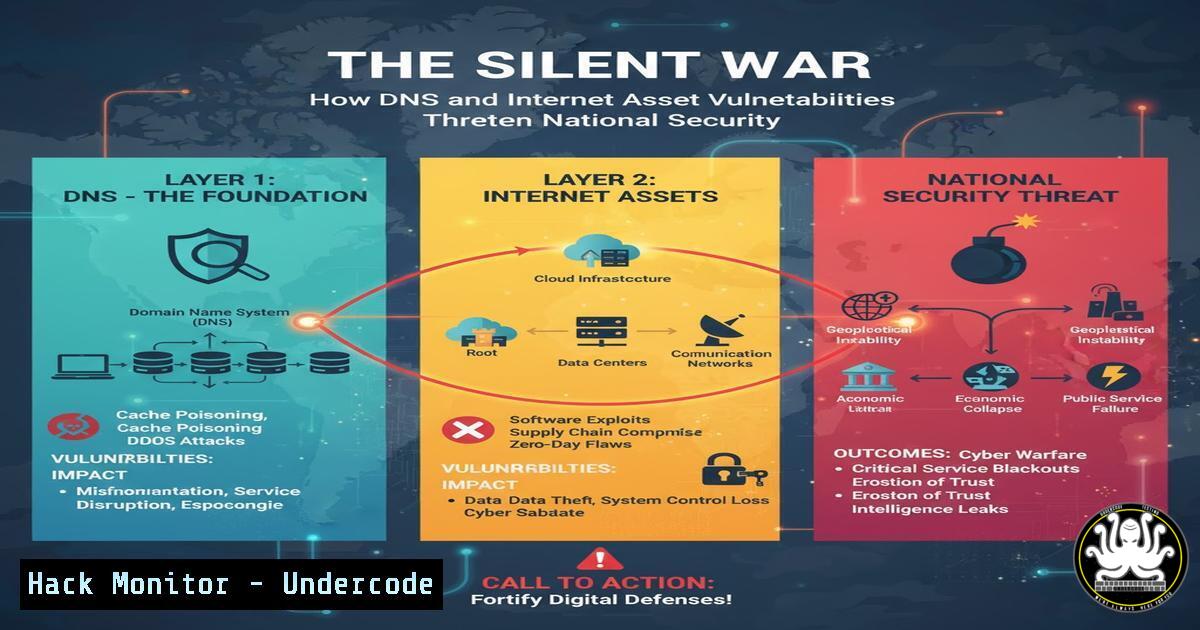
Introduction:
In an era of escalating cyber threats, the most critical vulnerabilities often lie in the foundational layers of our digital infrastructure: Domain Name System (DNS) and internet-facing assets. As highlighted by industry experts, the complacency of major organizations and technology providers has created systemic risks that threaten not just corporate bottom lines, but national security and economic stability.
Learning Objectives:
- Understand the critical nature of DNS and internet asset vulnerabilities
- Master reconnaissance and hardening techniques for enterprise infrastructure
- Implement continuous monitoring and threat detection for external attack surfaces
You Should Know:
1. DNS Reconnaissance and Enumeration
`dig target-domain.com ANY +noall +answer`
`nslookup -type=ANY target-domain.com`
`dnsrecon -d target-domain.com -t axfr`
Step-by-step guide: These commands perform DNS enumeration to discover all records associated with a domain. The `dig` command queries for ALL record types, while `dnsrecon` automates comprehensive reconnaissance including zone transfer attempts. Regular execution helps organizations understand their exposed DNS footprint and identify unauthorized or misconfigured records that attackers could exploit.
2. Subdomain Discovery and Asset Mapping
`subfinder -d target-domain.com -silent`
`amass enum -d target-domain.com -passive`
`assetfinder target-domain.com`
Step-by-step guide: Subdomain enumeration is crucial for mapping the complete attack surface. These tools passively discover subdomains through certificate transparency logs, DNS archives, and various APIs. Organizations should run these weekly to identify unauthorized or forgotten subdomains that could provide entry points for attackers.
3. Port Scanning and Service Discovery
`nmap -sS -sV -O -p- target-ip -T4`
`masscan -p1-65535 target-ip –rate=1000`
`naabu -host target-ip -p – -silent`
Step-by-step guide: Comprehensive port scanning identifies all exposed services. Nmap provides service and OS detection, while Masscan offers high-speed scanning for large networks. Regular scanning helps identify unintended service exposures and ensures only necessary ports are accessible from the internet.
4. TLS/SSL Security Assessment
`sslscan target-domain.com:443`
`testssl.sh target-domain.com`
`nmap –script ssl-enum-ciphers -p 443 target-domain.com`
Step-by-step guide: These commands assess TLS/SSL configuration for weaknesses. They check for outdated protocols, weak ciphers, and certificate issues. Regular assessments prevent man-in-the-middle attacks and ensure compliance with security standards like PCI DSS and NIST guidelines.
5. Web Application Firewall and Headers Analysis
`curl -I https://target-domain.com`
`nmap -p 80,443 –script http-security-headers target-domain.com</h2>
`wafw00f https://target-domain.com`
Step-by-step guide: These tools analyze HTTP headers for security implementations and detect WAF presence. Proper security headers (HSTS, CSP, X-Frame-Options) are critical for preventing common web attacks. WAF detection helps understand the security controls in place.
6. Cloud Infrastructure Misconfiguration Detection
`aws s3 ls s3://bucket-name/
`wafw00f https://target-domain.com`
Step-by-step guide: These tools analyze HTTP headers for security implementations and detect WAF presence. Proper security headers (HSTS, CSP, X-Frame-Options) are critical for preventing common web attacks. WAF detection helps understand the security controls in place.
6. Cloud Infrastructure Misconfiguration Detection
`aws s3 ls s3://bucket-name/
`terraform validate`
`cloudsploit scan –config cloudsploit-config.json`
Step-by-step guide: Cloud misconfigurations represent massive attack surfaces. These commands help identify publicly accessible storage, insecure IAM policies, and infrastructure-as-code violations. Continuous cloud security monitoring is essential given the dynamic nature of cloud environments.
7. Vulnerability Scanning and Patch Management
`nessus -q -x -T html –target target-ip`
`openvas –target target-ip –format=html`
`nikto -h https://target-domain.com -o report.html`
Step-by-step guide: Regular vulnerability scanning identifies known vulnerabilities in internet-facing systems. These tools provide comprehensive assessment of web applications, services, and network infrastructure. Results should be integrated with patch management processes for timely remediation.
8. DNS Security Hardening
`dig +short CHAOS TXT version.bind @dns-server`
`dnssectool keygen -k example.com`
`named-checkconf /etc/bind/named.conf`
Step-by-step guide: DNS server hardening prevents cache poisoning and unauthorized zone transfers. These commands check for version exposure, generate DNSSEC keys, and validate configuration files. Proper DNS security includes implementing DNSSEC, restricting zone transfers, and monitoring for anomalous queries.
9. Network Traffic Analysis and Intrusion Detection
`tcpdump -i eth0 -w capture.pcap host target-ip`
`tshark -r capture.pcap -Y “dns”`
`snort -c /etc/snort/snort.conf -i eth0`
Step-by-step guide: Network monitoring detects reconnaissance and attack patterns. Tcpdump captures traffic for analysis, while Snort provides real-time intrusion detection. Monitoring DNS queries is particularly important for identifying data exfiltration and command-and-control communications.
10. Incident Response and Forensic Readiness
`log2timeline.py plaso case.image`
`volatility -f memory.dump –profile=Win10x64 pslist`
`autopsy -c /path/to/case/`
Step-by-step guide: These digital forensics tools help investigate security incidents. Log2timeline processes timeline data, Volatility analyzes memory dumps, and Autopsy provides comprehensive forensic analysis. Proper incident response capabilities are crucial for containing breaches and understanding attack methodologies.
What Undercode Say:
- Systemic DNS vulnerabilities represent a clear and present danger to national critical infrastructure
- The economic impact of internet asset compromises extends far beyond immediate breach costs to systemic economic consequences
- Organizational complacency and profit prioritization create unacceptable national security risks
The analysis reveals a disturbing pattern where major technology providers and enterprises consistently underestimate the strategic importance of foundational internet security. As demonstrated by the TCS example affecting hundreds of millions of individuals, the cascading effects of these vulnerabilities impact entire economies through increased taxes, regulatory penalties, and systemic instability. The technical commands provided represent essential capabilities that every security team should master, yet many organizations lack even basic monitoring of their external attack surface.
Prediction:
Within the next 18-24 months, we will witness a catastrophic nation-state attack leveraging DNS and internet asset vulnerabilities that causes widespread critical infrastructure failure. This event will trigger global regulatory responses mandating third-party security audits for all critical infrastructure providers and substantial liability reforms holding corporate leadership personally accountable for cybersecurity negligence. The cybersecurity insurance market will undergo radical transformation, with premiums becoming unaffordable for organizations that fail to implement basic hardening measures, ultimately forcing widespread adoption of the security practices outlined in this article.
🎯Let’s Practice For Free:
IT/Security Reporter URL:
Reported By: Andy Jenkinson – Hackers Feeds
Extra Hub: Undercode MoN
Basic Verification: Pass ✅


