Listen to this Post
Introduction:
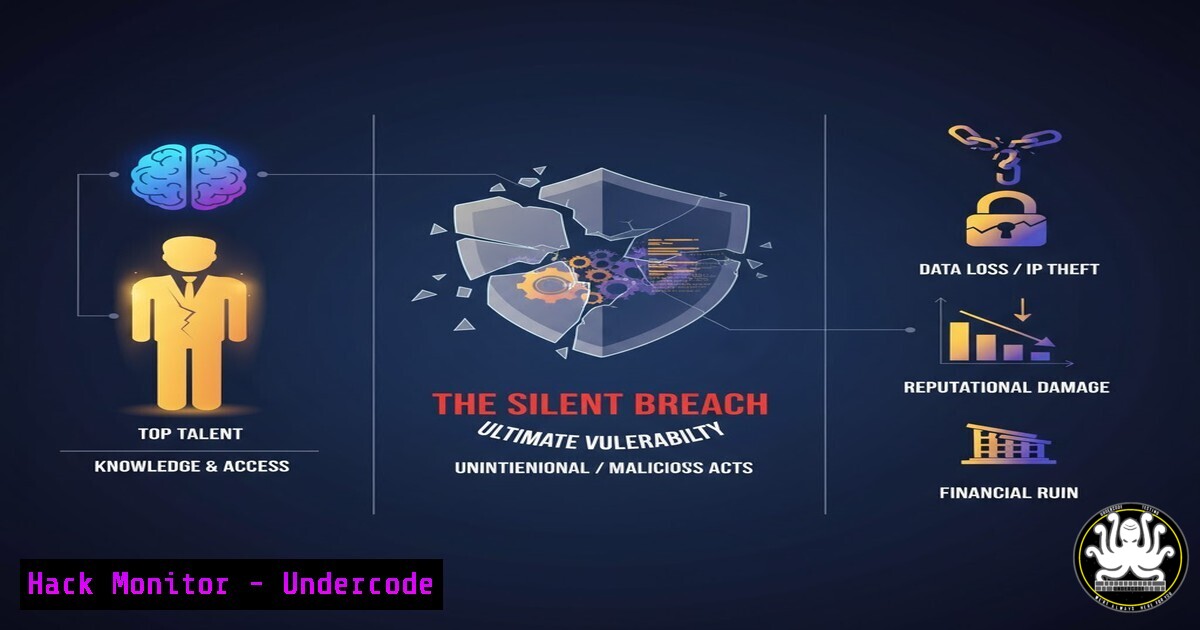
In the modern digital landscape, we fortify our networks with firewalls and encrypt our data with complex algorithms, yet we often overlook the most critical vulnerability: the human element. Just as a system succumbs to resource exhaustion, top talent leaves due to “energy leaks” in leadership and company culture. This article re-frames the people-centric crisis of employee attrition through the lens of cybersecurity, treating your key personnel as critical assets that require proactive monitoring, threat mitigation, and robust security protocols to prevent a catastrophic breach of institutional knowledge and operational integrity.
Learning Objectives:
- Understand how to apply cybersecurity frameworks like Zero Trust to human resource management.
- Identify and patch the “energy leak” vulnerabilities in your leadership and team culture.
- Implement technical and interpersonal strategies to harden your organization against the threat of talent attrition.
You Should Know:
1. The Zero-Trust Principle for Talent Retention
The foundational concept of Zero Trust in cybersecurity is “never trust, always verify.” Applied to your team, this doesn’t mean fostering paranoia, but creating an environment of psychological safety where feedback is continuously verified and acted upon. An energy leak occurs when trust is absent, and employees feel their input is ignored or undervalued.
Step-by-step guide:
- Audit Access Permissions (Feedback Channels): Just as you would review user access rights, map out all the channels through which employees can provide feedback. Are they secure, anonymous, and easily accessible?
- Implement Multi-Factor Authentication for Trust: Trust is built through multiple, consistent actions. Ensure that leadership “authentication” involves not just words (first factor) but also deeds (second factor). If you say you value work-life balance, model it.
- Monitor for Anomalies with Regular 1:1s: Use regular one-on-one meetings as your SIEM (Security Information and Event Management) system. Look for anomalies in engagement, enthusiasm, or communication patterns that signal a potential “breach” (i.e., an employee considering leaving).
Command Example (Log Analysis): While you can’t run a command on a person, you can analyze communication patterns. For instance, a sudden drop in activity on collaborative platforms like Slack or Teams could be an anomaly.
` Example query in a log aggregation tool like Splunk for a digital system`
`index=slack_logs user=”jdoe” | timechart count by channel` A sharp decline in `count` could warrant a check-in.
2. Identifying and Patching Leadership Vulnerabilities
In cybersecurity, an unpatched vulnerability is an open door for attackers. In leadership, unaddressed behaviors like inconsistent communication, lack of recognition, or unclear goals are unpatched CVEs (Common Vulnerabilities and Exposures) for your team’s morale.
Step-by-step guide:
- Run a Vulnerability Scan on Your Leadership Style: Conduct a brutally honest self-assessment or solicit 360-degree feedback. Identify specific, patchable behaviors (e.g., “fails to delegate,” “communicates shifting priorities last-minute”).
- Develop and Apply a Patch: Create a concrete plan to address each identified vulnerability. For example, if the bug is “missed deadlines causing team stress,” the patch is implementing a transparent project management tool like Jira or Asana with clear timelines.
- Verify the Patch: Follow up to ensure the behavioral patch is effective and hasn’t introduced new bugs. Ask your team, “Has the new project tracking system reduced last-minute surprises?”
-
Preventing Resource Exhaustion and Burnout (The DDoS Attack on Your Talent)
A Distributed Denial-of-Service (DDoS) attack overwhelms a system’s resources until it becomes unresponsive. Similarly, constant context-switching, unrealistic deadlines, and always-on culture DDoS your employees, leading to burnout—a primary energy leak.
Step-by-step guide:
- Establish Rate Limiting: Implement policies that protect focus time. This could be “no-meeting Wednesdays” or defined “focus blocks” on the shared calendar.
- Monitor Resource Utilization: Use tools to monitor workload, not just system CPU. In a project management tool, track the number of open tickets per team member. A consistently overloaded queue is a critical alert.
Command Example (System Load): On a Linux server, you can check load average to understand if the system is overwhelmed.
`$ uptime` or `$ cat /proc/loadavg`
A load average significantly higher than the number of CPU cores indicates an overloaded system, much like an overloaded employee.
3. Implement Auto-Scaling: Cross-train your team. When a project demands more “compute power,” you can auto-scale by dynamically allocating human resources from other areas without overburdening a single individual.
4. Hardening Your Culture’s Security Posture
A hardened system is resilient to attacks. A hardened company culture is resilient to the poaching attempts and disillusionment that cause talent loss. This involves building a strong “human firewall.”
Step-by-step guide:
- Enforce the Principle of Least Privilege (in Responsibility): Give employees the authority and access they need to do their jobs excellently, but don’t drown them in responsibilities outside their core function without support and consent.
- Conduct Phishing Tests for Values: Regularly test if the company’s stated values are reflected in daily actions. When a value like “transparency” is stated, but information is hoarded, it’s a successful phishing attack on your culture. Call it out and remediate.
- Maintain a Strong “Security” Awareness Program: This is continuous investment in professional development. When employees see a clear path for growth (the “why”), they are less likely to fall for the “phishing lure” of a competitor.
-
The API of Appreciation: Securing the Connection Between Effort and Recognition
In API security, unauthenticated and unencrypted calls are a major risk. Similarly, employee effort that goes without authentic recognition is a massive, unpatched vulnerability. Appreciation must be a secure, two-way communication channel.
Step-by-step guide:
- Authenticate the “Request”: Make recognition specific and personal. Instead of “good job,” say, “The way you handled that client’s feature request in the API integration was brilliant.” This authenticates that you truly saw the work.
- Ensure the “Payload” is Meaningful: The “data payload” of your appreciation should have value. For some, it’s public praise; for others, a private thank-you note; for others, a tangible reward. Know what encryption key your team members use.
- Log All Successful “Calls”: Keep a record of contributions. This becomes invaluable during performance reviews and promotion discussions, providing verifiable data instead of vague impressions.
What Undercode Say:
- Talent attrition is not an HR issue; it is a critical security incident involving the exfiltration of your most sensitive asset: institutional knowledge and expertise.
- The most sophisticated cyber defense stack is ultimately managed by people. A vulnerable team culture creates the ultimate attack vector, rendering all technical controls ineffective.
The parallel between cybersecurity and talent retention is not merely an analogy; it’s a necessary strategic reframing. Organizations spend millions on next-gen firewalls and endpoint detection but leave the backdoor wide open through toxic leadership, burnout, and a lack of appreciation. By treating your people with the same rigorous, proactive, and systematic approach you apply to your IT infrastructure, you build an organization that is not only secure from digital threats but also resilient to the human factors that truly determine long-term success. The “energy leak” Lisa Goldenthal identifies is the symptom of unmonitored, unpatched, and unhardened human systems.
Prediction:
The future of organizational resilience will see the convergence of Chief Information Security Officer (CISO) and Chief Human Resource Officer (CHRO) roles, or at the very least, deeply integrated strategies. PeopleOps platforms will incorporate “threat intelligence” feeds that analyze employee sentiment, workload, and engagement data to predict attrition risks with the same accuracy that SIEM systems predict network breaches. AI will be deployed not just to automate tasks, but to proactively identify “energy leaks” and recommend leadership interventions, making the retention of high-performing talent a data-driven, predictive science. Failure to adopt this integrated mindset will leave companies vulnerable to continuous, crippling breaches of their human capital.
🎯Let’s Practice For Free:
IT/Security Reporter URL:
Reported By: Lisa Goldenthal – Hackers Feeds
Extra Hub: Undercode MoN
Basic Verification: Pass ✅


