Listen to this Post
Introduction:
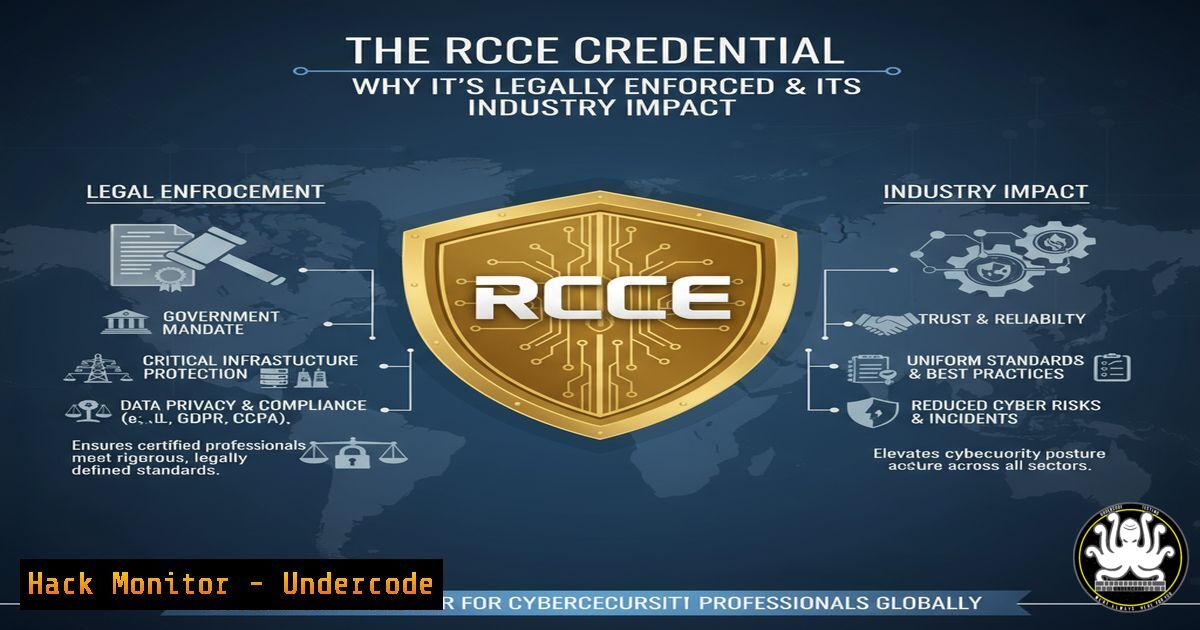
The Rocheston Certified Cybersecurity Engineer (RCCE®) is more than a certification; it is a legally protected mark of elite proficiency. With Rocheston holding a U.S. trademark for “Cybersecurity Engineer®” in the certification space, the credential is positioned as a unique, performance-backed validation of skills, setting it apart from generic course completions. This legal move creates a new paradigm for credential exclusivity and value in the IT security training market.
Learning Objectives:
- Understand the legal significance of the “Cybersecurity Engineer®” U.S. trademark and its impact on the certification landscape.
- Identify the key technical domains that an elite, hands-on certification like the RCCE® likely covers.
- Learn practical security commands and techniques that align with the advanced skill set expected of a certified engineer.
You Should Know:
1. Network Reconnaissance and Discovery
`nmap -sS -sV -O -T4 `
This Nmap command performs a stealth SYN scan (-sS), attempts to identify service versions (-sV), guesses the operating system (-O), and executes with aggressive timing (-T4). It is a fundamental first step for penetration testers and security engineers to map a network and identify potential attack surfaces. To use it, install Nmap on Linux (sudo apt-get install nmap), replace `
2. Vulnerability Assessment with Nmap NSE
`nmap -p- –script vuln `
This command scans all ports (-p-) and runs the entire Nmap Scripting Engine (NSE) “vuln” category against the target. These scripts check for known vulnerabilities in services like SMB, FTP, and HTTP. It is crucial for comprehensive security assessments. Run it after a basic scan to dive deeper into specific weaknesses without requiring a separate vulnerability scanner.
3. Windows Log Analysis with PowerShell
`Get-WinEvent -LogName Security -FilterXPath “[System[(EventID=4624)]]” | Select-Object -First 10`
This PowerShell cmdlet queries the Windows Security log for successful logon events (Event ID 4624). For a cybersecurity engineer, correlating logon events with geographic IP data is key to identifying unauthorized access. Execute this in an elevated PowerShell session to audit authentication activity on a Windows system.
4. Linux Audit Logging Configuration
`sudo auditctl -w /etc/passwd -p wa -k identity_file_mod`
The `auditctl` command adds a watch rule (-w) to the `/etc/passwd` file, monitoring for write or attribute changes (-p wa) and tagging any events with the key “identity_file_mod”. This is essential for monitoring critical files for unauthorized changes. Configure these rules as part of a system hardening checklist to meet compliance standards.
5. Cloud Security Hardening (AWS CLI)
`aws iam update-account-password-policy –minimum-password-length 14 –require-symbols –require-numbers –require-uppercase-characters –require-lowercase-characters –allow-users-to-change-password –max-password-age 90 –password-reuse-prevention 24`
This AWS CLI command enforces a strong password policy across an AWS account. It mandates a 14-character minimum with complexity requirements, allows users to change their passwords, sets a 90-day expiration, and prevents password reuse for 24 cycles. Apply this as a foundational cloud security control to protect against credential-based attacks.
6. Container Security Scanning with Trivy
`trivy image :`
Trivy is a simple and comprehensive vulnerability scanner for container images. This command scans a specified Docker image for known vulnerabilities (CVEs) in its operating system packages and application dependencies. Integrate this command into your CI/CD pipeline to ensure only secure container images are deployed to production environments.
7. API Security Testing with curl
`curl -H “Authorization: Bearer
This `curl` command tests for an Insecure Direct Object Reference (IDOR) or Broken Object Level Authorization (BOLA) vulnerability by attempting to manipulate a POST request to elevate privileges. It sends a JSON payload with a modified “role” parameter. Use this to manually probe API endpoints for authorization flaws, a critical skill for securing modern web applications.
What Undercode Say:
- The RCCE® trademark enforcement is a strategic business move that creates artificial market scarcity, potentially increasing the credential’s perceived value but also risking industry backlash against a monopolization of a common job title.
- For professionals, the real value lies not in the trademark but in the “rigorous, hands-on capability” the certification claims to represent. The technical commands and procedures outlined above are a testament to the practical, in-depth knowledge that should be the true measure of any elite security credential.
The enforcement action shifts the conversation from skill validation to legal branding. While Rocheston defends the term, the infosec community will ultimately judge the RCCE® by the demonstrated competence of its holders, not by its legal protections. This could lead to a bifurcated market where some employers value the trademark’s exclusivity, while others prioritize more open, skills-based credentials.
Prediction:
This legal maneuver will trigger a short-term wave of rebranding among smaller training providers avoiding the term “Cybersecurity Engineer.” However, larger, established organizations (e.g., (ISC)², SANS, CompTIA) may challenge the trademark’s validity, leading to protracted legal battles that will determine the enforceability of trademarking common industry job titles for certifications. Ultimately, the market will demand greater transparency in syllabi and hands-on testing methods, moving beyond branded titles to verifiable, practical skills assessment, potentially accelerated by AI-driven proctoring and performance-based testing platforms.
🎯Let’s Practice For Free:
IT/Security Reporter URL:
Reported By: https://lnkd.in/p/dZxg8xeb – Hackers Feeds
Extra Hub: Undercode MoN
Basic Verification: Pass ✅


