
Listen to this Post
Introduction:
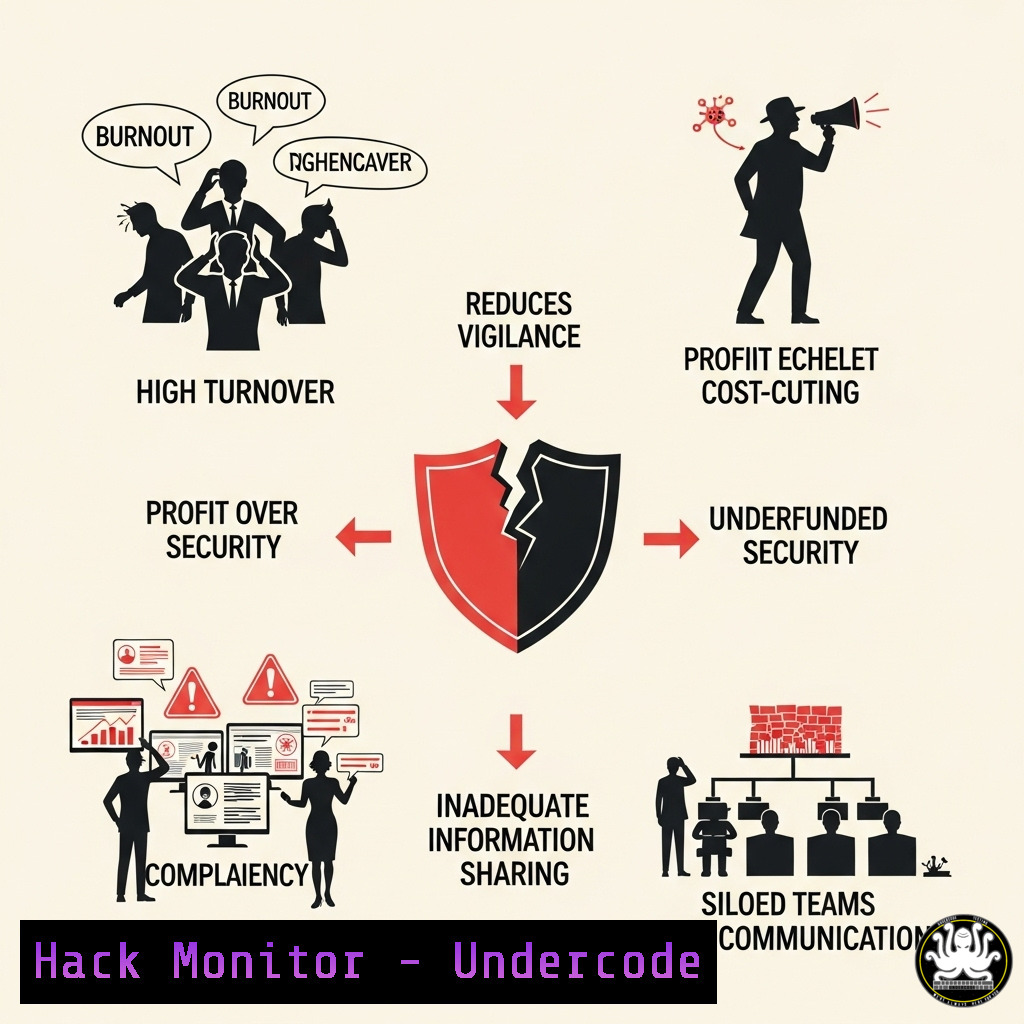
A recent viral LinkedIn post exposed a critical vulnerability not in software, but in corporate hierarchy. An IT department’s prioritization of requests based on job title, rather than urgency or merit, reveals a deep-seated cultural flaw that attackers are all too ready to exploit. This article explores how organizational psychology directly impacts security efficacy and provides technical leaders with the tools to build a more resilient, human-centric defense.
Learning Objectives:
- Understand how social engineering exploits corporate hierarchy and internal culture.
- Implement technical controls and audit policies that enforce equitable security response protocols.
- Foster a security-first culture that empowers every employee, regardless of title, to be a proactive defender.
You Should Know:
- Auditing User Access and Privilege (whoami & whoami /priv)
In Windows environments, understanding your immediate privilege level is the first step to identifying potential privilege escalation paths, a common attacker technique.
`whoami`
`whoami /priv`
The `whoami` command simply returns the currently logged-in user account name. The `whoami /priv` command displays all privileges assigned to that user account. Regularly audit these privileges across all user accounts, especially standard user accounts, to ensure they adhere to the principle of least privilege. Excessive privileges are a primary vector for lateral movement.
2. Enforcing Logging and Auditing Policies (auditpol)
A robust logging policy is useless if not uniformly enforced. The Windows `auditpol` command allows administrators to ensure consistent audit policies across the network, preventing blind spots that low-priority users might fall into.
`auditpol /get /category:`
`auditpol /set /subcategory:”Process Creation” /success:enable /failure:enable`
The first command displays the current audit policy for all categories. The second command enables auditing for both successful and failed process creation events, which is critical for detecting malicious payload execution. Centralized management of these policies via Group Policy Objects (GPO) is essential for enterprise-scale enforcement.
- Linux User and Group Accountability (getent & groups)
On Linux systems, quickly auditing user group memberships helps verify compliance and detect unauthorized privilege assignments.
`getent group sudo`
`groups [bash]`
The `getent group sudo` command lists all users within the ‘sudo’ group, who have elevated privileges. The `groups` command followed by a username shows all groups that user belongs to. Automated scripts should regularly parse this data against a baseline to alert on unauthorized changes, ensuring administrative access is granted based on need, not title.
4. PowerShell for Automated User Right Assignment Audits
Manual checks are inefficient. PowerShell can be used to programmatically audit user rights assignments across a domain, a common area where inconsistency creeps in.
`Get-WmiObject -Class Win32_UserAccount -Filter “Domain=’%UserDomain%'”`
`(Get-WmiObject -Class Win32_UserAccount -Filter “Name=’$UserName'”).SID`
This script snippet begins the process of querying user accounts. A full script would compare the privileges of these accounts against a known-good baseline stored in a CSV file, flagging any deviations for investigation. This automates the enforcement of equitable security settings.
5. Network Access Control (NAC) and 802.1X Configuration
Prevent unauthorized devices, regardless of who owns them, from accessing the network by implementing NAC.
`show authentication sessions`
`aaa new-model`
`dot1x system-auth-control`
The first command (on a Cisco IOS device) shows currently authenticated devices. The subsequent commands enable AAA authentication and 802.1X control. NAC ensures every device and user is authenticated and authorized against the same policy before being granted network access, removing human bias from the network entry process.
6. Cloud IAM Policy Auditing (AWS CLI)
In cloud environments, ensure Identity and Access Management (IAM) policies are applied consistently without favoritism.
`aws iam list-users`
`aws iam list-attached-user-policies –user-name `
`aws iam get-policy-version –policy-arn –version-id `
This series of AWS CLI commands lists all IAM users, then the policies attached to a specific user, and finally the details of that policy. Automate this auditing to detect over-permissioned users and ensure access to critical cloud resources is governed by role, not rank.
7. SIEM Query for -Based Ticket Prioritization
Use your Security Information and Event Management (SIEM) system to detect if ticket handling in your ITSM platform is being biased by user metadata.
`index=itsm (sourcetype=”servicedesk”) (priority=”low”) (user_title=”VP” OR user_title=”Director”) | stats count by user_title`
This Splunk SPL query example searches for low-priority tickets created by users with VP or Director titles. A high count indicates that the ticketing system may be prioritizing based on title, creating a security risk where genuine threats from lower-level employees might be ignored.
What Undercode Say:
- Cultural Vulnerabilities Are the New Zero-Days: The most sophisticated firewall is useless if an attacker can socially engineer a help desk agent by name-dropping an executive title. This human layer is the new attack surface.
- Automation Enforces Equity: Technical enforcement through automated auditing and policy application is the only scalable way to remove human bias from security protocols, ensuring every alert and request is treated based on objective criticality.
The anecdote is not just a workplace complaint; it’s a threat model. Attackers relentlessly map organizational hierarchies to identify individuals whose requests will be fast-tracked without scrutiny—a technique known as social authority exploitation. The fix isn’t just cultural training; it’s building systems that are inherently resistant to this bias. This means implementing role-based access control (RBAC) that is audited by scripts, not humans, and configuring security tools to trigger alerts based on action, not the actor’s identity. The goal is to make your security infrastructure blind to job title and hyper-sensitive to anomalous behavior.
Prediction:
The future of penetration testing and red teaming will involve less technical brute force and more sophisticated organizational chart analysis. We will see a rise in AI-powered tools that scrape LinkedIn and internal directories to automatically build profiles of key personnel, then simulate targeted social engineering campaigns that exploit cultural deference to authority. Organizations that fail to technically enforce equitable security policies will be the first and easiest victims of these advanced, psychologically-aware attacks.
🎯Let’s Practice For Free:
IT/Security Reporter URL:
Reported By: Lucianpopovici Prima – Hackers Feeds
Extra Hub: Undercode MoN
Basic Verification: Pass ✅


