Listen to this Post
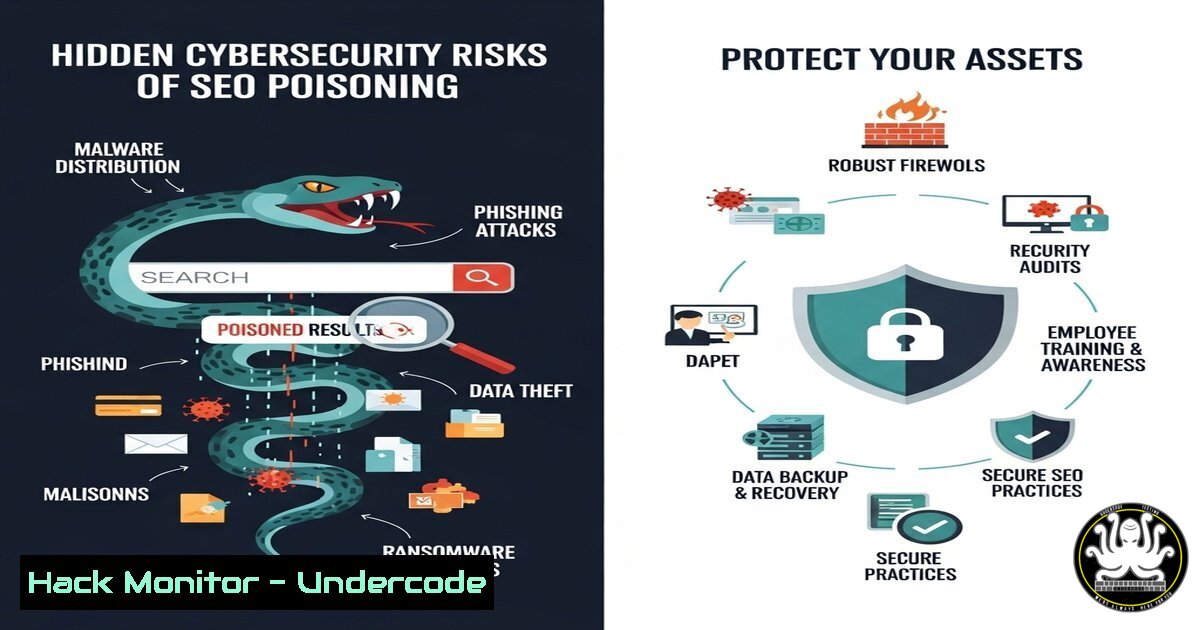
Introduction:
Search Engine Optimization (SEO) is a critical tool for digital visibility, but it has a dark underbelly exploited by threat actors. SEO poisoning, or search engine poisoning, is a technique where attackers manipulate search rankings to direct users to malicious websites laden with malware, phishing kits, or scam content. This article deconstructs the technical execution of these campaigns and provides a comprehensive defense guide for IT professionals.
Learning Objectives:
- Understand the mechanics of SEO poisoning and its associated threats like malvertising and credential harvesting.
- Learn to implement technical controls and monitoring to detect and block SEO-based attack vectors.
- Develop a proactive incident response plan for suspected compromise via poisoned search results.
You Should Know:
1. Monitoring for Domain Squatting and Typosquatting
Attackers often register domains with names similar to popular brands or services (e.g., `getecommerceleads.com` could be targeted with `get-ecommerceleads.com` or getecomerceleads.com). Continuous monitoring is essential.
`whois example.com | grep -E “Registrant|Name Server|Creation Date”`
Step-by-step guide: This command queries the WHOIS database for a domain’s registration details. Regularly run this for variations of your corporate domain. A sudden appearance of a similarly named domain with recent creation dates and unfamiliar name servers could indicate a squatting attempt. Integrate this into automated scripts that alert your security team.
2. Analyzing Website Code for Malicious Injections
Malicious scripts are often injected into compromised legitimate sites to redirect users.
`curl -s http://suspicious-site.com | grep -E “