Listen to this Post
Introduction:
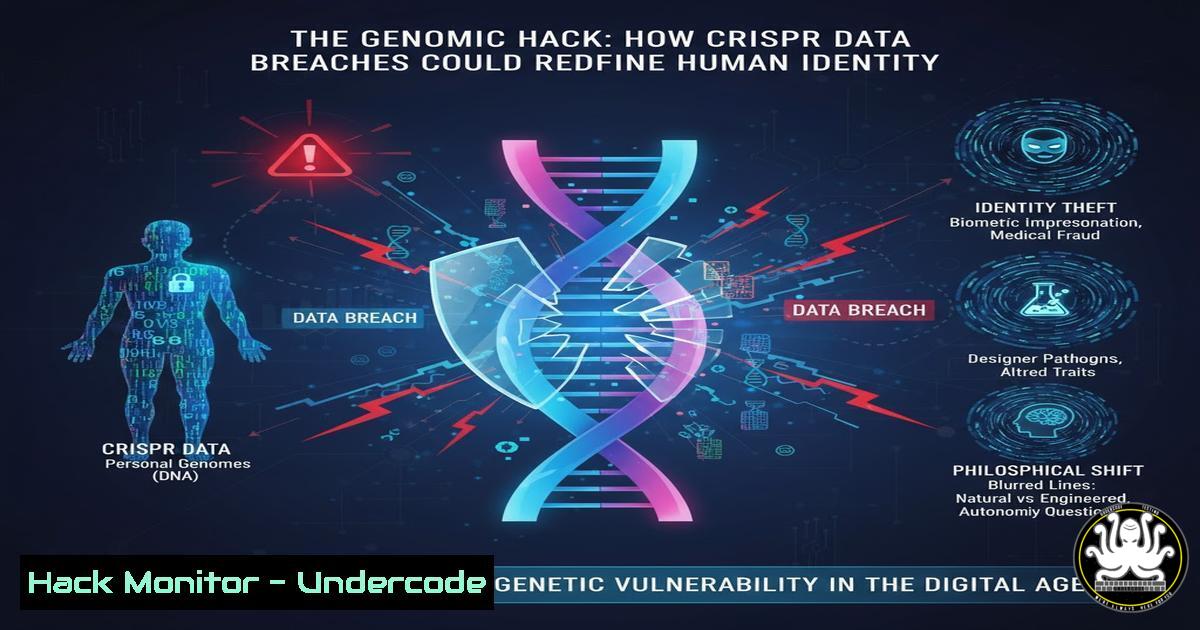
The intersection of biotechnology and cybersecurity has never been more critical than in the era of gene editing. As high-profile investments flood into companies like Preventive, which aims to eliminate hereditary diseases through genetic engineering, the security of genomic data becomes paramount. This article explores the cybersecurity implications of the burgeoning gene-editing industry and provides essential hardening techniques for protecting the most sensitive data of all: human DNA.
Learning Objectives:
- Understand the critical cybersecurity vulnerabilities in genomic data storage and processing systems
- Implement robust security controls for bioinformatics infrastructure and API endpoints
- Develop incident response protocols specifically tailored for genetic data breaches
You Should Know:
1. Securing Genomic Data Storage Infrastructure
Genetic information represents the ultimate personally identifiable information—immutable and uniquely identifying. Companies handling CRISPR and other gene-editing technologies must implement enterprise-grade security for their genomic databases.
Step-by-step guide:
- Encrypt genomic data at rest using AES-256 encryption:
Linux: Encrypt directory containing genomic data
sudo apt install ecryptfs-utils
sudo mount -t ecryptfs ~/genomic_data ~/genomic_data
Follow prompts to configure encryption
-
Implement strict access controls using biometric multi-factor authentication
- Deploy blockchain-based integrity monitoring for genetic data:
Python example for genetic data hashing
import hashlib
def hash_genetic_sequence(dna_sequence):
return hashlib.sha3_256(dna_sequence.encode()).hexdigest()
2. API Security for Bioinformatics Platforms
Gene-editing companies rely on complex API ecosystems connecting sequencing machines, analysis tools, and clinical systems. Each endpoint represents a potential attack vector.
Step-by-step guide:
- Implement OAuth 2.0 with strict scope limitations for genomic data access
- Deploy API rate limiting and anomaly detection:
Nginx rate limiting for bioinformatics API http { limit_req_zone $binary_remote_addr zone=genomic:10m rate=1r/s; server { location /api/crispr/ { limit_req zone=genomic burst=5 nodelay; } } } -
Conduct regular penetration testing using specialized tools like Burp Suite with bioinformatics extensions
3. Cloud Security Hardening for Research Environments
Preventive’s $30 million funding indicates likely cloud-based infrastructure across AWS, Google Cloud, or Azure, requiring specialized security configurations.
Step-by-step guide:
- Implement zero-trust architecture for research environments:
AWS CLI command to enforce S3 bucket policies for genomic data
aws s3api put-bucket-policy --bucket preventive-genomics --policy file://security-policy.json
-
Configure cloud security groups to isolate sequencing infrastructure:
Azure CLI: Create NSG for research network
az network nsg create --resource-group Preventive-RG --name Genomics-NSG
az network nsg rule create --resource-group Preventive-RG --nsg-name Genomics-NSG --name SSH-Restricted --priority 100 --source-address-prefixes 10.0.1.0/24 --destination-address-prefixes '' --destination-port-ranges 22 --protocol Tcp --access Allow
4. Vulnerability Management in Bioinformatics Software
Common tools like BLAST, GATK, and CRISPR design software contain vulnerabilities that could compromise entire genetic databases.
Step-by-step guide:
- Establish specialized patch management for bioinformatics tools:
Automated security updates for bioinformatics packages
apt-get install unattended-upgrades
dpkg-reconfigure -plow unattended-upgrades
-
Implement software composition analysis specifically for scientific Python/R packages:
Scan for vulnerabilities in bioinformatics packages
pip install safety
safety check --file requirements.txt
5. Incident Response for Genetic Data Breaches
A breach of genetic information requires specialized response protocols beyond conventional data leak procedures.
Step-by-step guide:
- Develop genetic-specific incident classification system:
- Level 1: Metadata exposure
- Level 2: Genetic sequence data access
- Level 3: Unauthorized modification of genetic information
-
Implement forensic preservation for CRISPR editing logs:
Linux command to preserve system logs for investigation
sudo auditctl -w /var/log/crispr_edits.log -p wa -k genetic_modifications
6. Regulatory Compliance and Ethical Security Frameworks
Gene-editing companies operate in legally complex environments where security controls must satisfy both regulatory requirements and ethical considerations.
Step-by-step guide:
- Implement GDPR/HIPAA hybrid compliance monitoring:
Automated compliance scanning script
!/bin/bash
lynis audit system --quick --profile hipaa_gdpr_hybrid
-
Deploy ethical walls between research, clinical, and commercial data segments
- Establish IRB-approved security protocols for human subjects research data
7. Supply Chain Security for Laboratory Equipment
The hardware used in genetic sequencing and editing represents critical infrastructure requiring specialized protection.
Step-by-step guide:
- Segment laboratory network infrastructure:
Cisco IOS example for lab network segmentation
interface GigabitEthernet0/1
description Sequencing_Lab_Network
switchport mode access
switchport access vlan 200
storm-control broadcast level 1.00
-
Implement physical security controls for automated gene-editing workstations
- Conduct regular firmware updates for sequencing equipment with validated cryptographic signatures
What Undercode Say:
- Genetic data represents the final frontier of personal privacy—once compromised, it cannot be reset like passwords or credit cards
- The concentration of sensitive genomic information in well-funded startups creates attractive targets for nation-state actors and cybercriminals
- Security in gene-editing platforms isn’t just about data protection—it’s about preventing unauthorized modifications to human biology itself
The emergence of companies like Preventive signals a new era where cybersecurity directly impacts human evolution. The $30 million investment demonstrates significant market confidence, but also paints a target on genetic data repositories. Unlike financial information, stolen genetic data could enable everything from targeted biological attacks to insurance discrimination based on genetic predispositions. The ethical implications are staggering, and the security community must develop specialized frameworks before catastrophic breaches occur.
Prediction:
Within 3-5 years, we will witness the first major genetic data breach affecting millions of individuals, triggering global regulatory responses that will reshape both biotechnology and data protection industries. This will lead to the emergence of “genetic cybersecurity” as a specialized discipline, with organizations hiring Chief Genetic Security Officers. The line between digital and biological security will blur permanently, creating unprecedented challenges in privacy, consent, and human rights in the digital age.
🎯Let’s Practice For Free:
IT/Security Reporter URL:
Reported By: Michael Tchuindjang – Hackers Feeds
Extra Hub: Undercode MoN
Basic Verification: Pass ✅


