Listen to this Post
Introduction:
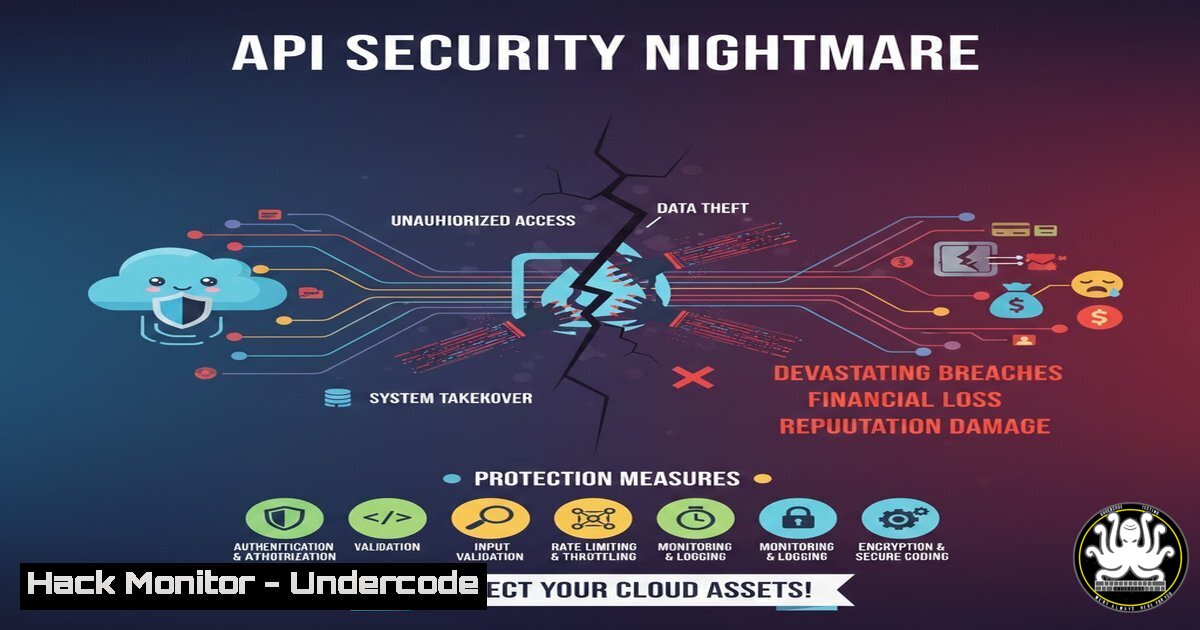
API security is critical in modern cloud-based architectures, where vulnerabilities can lead to data breaches and service disruptions. This article delves into common exploitation techniques and mitigation strategies, integrating tools and commands for robust defense. Understanding these concepts is essential for IT professionals and cybersecurity trainees aiming to safeguard digital assets.
Learning Objectives:
- Identify common API vulnerabilities such as injection flaws and broken authentication.
- Implement security hardening measures for Linux and Windows servers.
- Utilize AI-powered tools for proactive threat detection and response.
You Should Know:
1. Scanning for API Vulnerabilities with Linux Tools
Step-by-step guide explaining what this does and how to use it.
Begin by using `nmap` to scan for open ports and services on your network. This helps identify exposed API endpoints. Install nmap with `sudo apt-get install nmap` on Debian-based systems. Run a basic scan: `nmap -sV -p 443,8080
2. Hardening Windows Server for API Hosting
Step-by-step guide explaining what this does and how to use it.
Secure your Windows Server by configuring firewall rules to restrict API access. Open PowerShell as Administrator and create a rule to allow only specific IPs: New-NetFirewallRule -DisplayName "API Access" -Direction Inbound -LocalPort 443 -Protocol TCP -Action Allow -RemoteAddress 192.168.1.0/24. Disable unnecessary services with Get-Service | Where-Object {$_.Status -eq 'Running' and $_.Name -notin 'essential services'} | Stop-Service. Use Group Policy to enforce TLS 1.2 for API communications via `gpedit.msc` under Computer Configuration > Administrative Templates > Network > SSL Configuration. Regularly update with `Windows Update` to patch vulnerabilities.
3. Exploiting and Mitigating Injection Flaws in APIs
Step-by-step guide explaining what this does and how to use it.
Injection flaws, like SQL or NoSQL injection, occur when untrusted data is sent to an interpreter. To exploit, test an API endpoint with a payload: curl -X GET "https://api.example.com/data?user=admin' OR '1'='1". If the API returns unexpected data, it’s vulnerable. Mitigate by using parameterized queries in code, e.g., in Python with SQLite: cursor.execute("SELECT FROM users WHERE user=?", (user_input,)). For NoSQL databases like MongoDB, sanitize input with libraries such as `mongoose` for Node.js. Implement WAF (Web Application Firewall) rules using ModSecurity on Linux: `sudo apt-get install modsecurity-crs` and configure rules in /etc/modsecurity/.
4. Automating Threat Detection with AI Tools
Step-by-step guide explaining what this does and how to use it.
AI enhances security by analyzing patterns for anomalies. Deploy an open-source tool like `Apache Spot` (incubated) from https://github.com/apache/spot for network traffic analysis. On Linux, install dependencies: `sudo apt-get install python3-pip` and then pip3 install spot. Configure it to monitor API logs: spot --config /etc/spot/config.yml --input /var/log/api/access.log. It uses machine learning to flag suspicious activities, such as brute-force attacks. Integrate with SIEM solutions like Splunk for alerts. Training courses on AI security, like those at https://example.com/ai-cybersecurity, can deepen expertise.
5. Securing Cloud APIs with IAM and Monitoring
Step-by-step guide explaining what this does and how to use it.
In cloud environments like AWS, use IAM roles to limit API permissions. Create a policy via AWS CLI: aws iam create-policy --policy-name APIAccess --policy-document file://policy.json, where the JSON file defines least-privilege access. Enable CloudTrail for logging: aws cloudtrail create-trail --name APITrail --s3-bucket-name my-bucket. For real-time monitoring, set up AWS GuardDuty to detect threats using AI. On Azure, use Azure Security Center for similar functions. Regularly audit APIs with tools like `Postman` to test endpoints and validate security headers.
6. Implementing API Rate Limiting and Authentication
Step-by-step guide explaining what this does and how to use it.
Rate limiting prevents abuse by restricting request rates. On Linux with Nginx, edit `/etc/nginx/nginx.conf` and add: `limit_req_zone $binary_remote_addr zone=api:10m rate=10r/s;` within the server block. For authentication, use OAuth 2.0 with JWT tokens. In a Node.js API, install `jsonwebtoken` and implement: jwt.sign(payload, secret, { expiresIn: '1h' }). Validate tokens on each request. On Windows, use IIS with URL Rewrite module to set rate limits via web.config. Test with `curl -H “Authorization: Bearer
7. Training and Continuous Learning for Cybersecurity
Step-by-step guide explaining what this does and how to use it.
Stay updated with courses from platforms like https://example.com/cybersecurity-course, which cover API security and cloud hardening. Practice in lab environments using Docker: `docker run -d –name vuln-api vulnerables/web-dvwa` to set up a vulnerable API for hands-on exploitation and mitigation. Participate in CTF challenges on sites like HackTheBox to sharpen skills. Schedule regular training sessions for IT teams, incorporating incident response drills using playbooks from https://github.com/security-tools.
What Undercode Say:
- Proactive scanning and hardening are non-negotiable in API security, as attackers constantly evolve techniques.
- Integrating AI and automation reduces response time but requires skilled personnel to interpret results.
Analysis: The convergence of cloud, AI, and APIs demands a multifaceted defense strategy. Organizations must prioritize training and implement layered security controls, from code-level fixes to network monitoring. Failure to do so risks severe data leaks, especially with the rise of quantum computing potentially breaking current encryption methods.
Prediction:
API attacks will increase with AI-driven exploitation tools, making automated defense systems crucial. Cloud-native security platforms will integrate more AI for real-time threat hunting, but skill gaps may persist. Regulations will tighten, forcing companies to adopt standardized security frameworks, and breaches could lead to heavier fines and reputational damage.
▶️ Related Video (82% Match):
🎯Let’s Practice For Free:
IT/Security Reporter URL:
Reported By: Tristan Manzano – Hackers Feeds
Extra Hub: Undercode MoN
Basic Verification: Pass ✅


