Listen to this Post
Introduction:
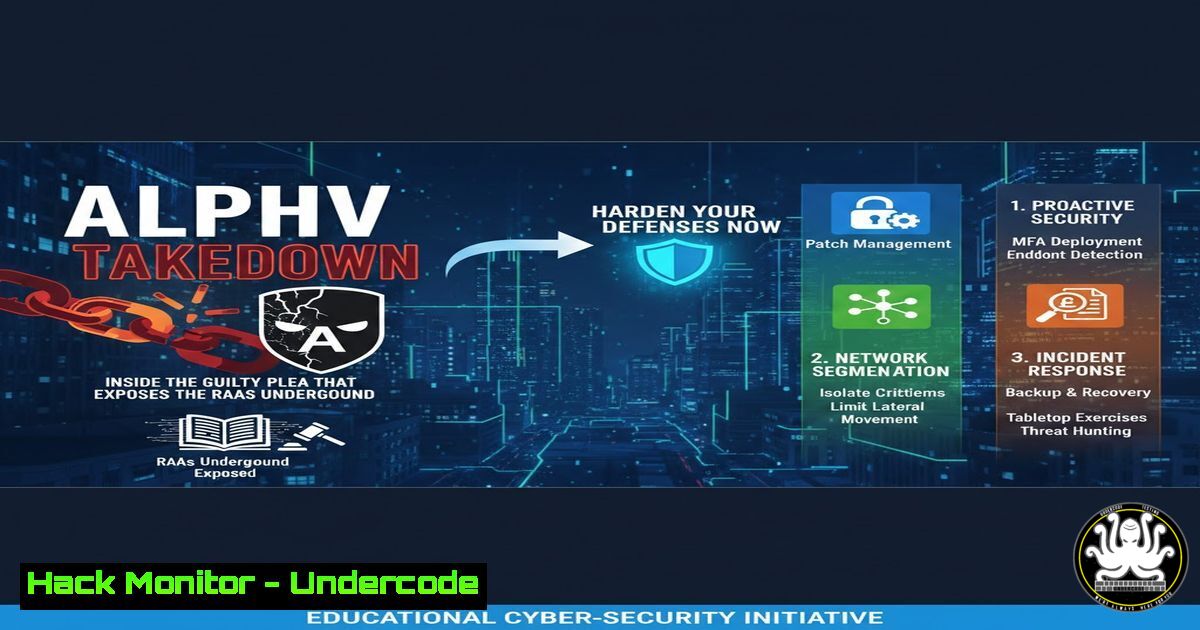
The recent guilty pleas of two American cybersecurity professionals for conspiring with the ALPHV/Blackcat ransomware gang mark a significant, yet perplexing, milestone in cyber law enforcement. This case peels back the layers of the modern Ransomware-as-a-Service (RaaS) economy, revealing the dangerous blurring of lines between skilled security experts and criminal affiliates. Beyond the headlines, it underscores critical vulnerabilities in credential management and third-party access that every organization must urgently address.
Learning Objectives:
- Understand the operational model of Ransomware-as-a-Service (RaaS) and the role of affiliates.
- Analyze the legal and jurisdictional challenges in prosecuting transnational cybercrime.
- Implement technical controls to mitigate initial access vectors commonly exploited by groups like ALPHV/Blackcat.
You Should Know:
1. Deconstructing the Ransomware-as-a-Service (RaaS) Model
The ALPHV/Blackcat operation epitomizes the sophisticated RaaS model. Developers maintain the ransomware code and infrastructure (like leak sites), which they “license” to affiliates. Affiliates are responsible for gaining initial access to victim networks and deploying the ransomware; profits are then split. This division of labor lowers the barrier to entry for cybercriminals and insulates core developers.
Step-by-Step Guide: Understanding the Attack Chain
- Initial Access: Affiliates often purchase stolen credentials or initial access from specialized brokers on darknet forums.
- Deployment: Using tools like Cobalt Strike or Brute Ratel, affiliates move laterally, escalate privileges, and deploy the ransomware payload.
- Execution: The ransomware encrypts files and drops a ransom note. Simultaneously, the affiliate notifies the RaaS operator to update the public leak site with the victim’s name.
- Negotiation & Payment: Affiliates or the core gang negotiate via Tor-based chat sites. Payment is typically demanded in cryptocurrency, which is then laundered and split.
-
The Initial Access Vector: Stolen Credentials Are the Master Key
As noted, ALPHV/Blackcat relied heavily on credentials obtained through initial access brokers. This often stems from phishing, credential stuffing on VPNs or RDP services, or exploiting unpatched public-facing applications. Compromised credentials allow attackers to bypass perimeter defenses as “legitimate” users.
Step-by-Step Guide: Hardening Credential Security
Enforce Strong Password Policies & Multi-Factor Authentication (MFA):
Linux: Use `pam_pwquality` and pam_u2f. Set password aging: sudo chage -M 90 <username>.
Windows: Enforce via Group Policy: Computer Configuration > Policies > Windows Settings > Security Settings > Account Policies > Password Policy. Enforce MFA for all remote access.
Audit for Stolen Credentials:
Use PowerShell to check for users with non-expiring passwords: Get-LocalUser | Where-Object { $_.PasswordNeverExpires -eq $true }.
Regularly run tools like `BloodHound` on your Active Directory to identify attack paths related to credential misconfigurations.
3. Monitoring for Darknet Exposure and Data Leaks
The operation of a public data leak site is a core pressure tactic. Organizations must proactively monitor if their data or credentials appear in underground markets.
Step-by-Step Guide: Setting Up Basic Threat Intelligence Monitoring
- Use Breach Notification Services: Integrate APIs from services like Have I Been Pwned or deploy internal scripts that check hashed passwords against known breach corpora.
- Monitor for Domain and Executive Names: Use open-source intelligence (OSINT) tools to set up alerts. A simple Python script using the `requests` library can scrape paste sites (respecting terms of service) for your company’s name or key asset keywords.
- Darknet Monitoring (Commercial): Consider commercial threat intelligence feeds that provide automated monitoring of ransomware gang leak sites and darknet forums.
4. Securing Remote Access & Privileged Accounts
Attackers target Remote Desktop Protocol (RDP) and Virtual Private Networks (VPNs). These must be bastions of security.
Step-by-Step Guide: Hardening RDP and VPN Access
Never Expose RDP Directly to the Internet. Place it behind a VPN.
Implement a Zero-Trust Network Access (ZTNA) Model: Replace traditional VPNs with ZTNA solutions that verify identity, context, and device health before granting access to specific applications.
Use Jump Hosts/Bastion Hosts for Administrative Access:
Configure SSH key-based authentication for Linux bastion hosts and disable password login: In /etc/ssh/sshd_config, set `PasswordAuthentication no` and PubkeyAuthentication yes.
Log all sessions: sudo auditctl -w /usr/bin/ssh -p x -k ssh_sessions.
5. Building Resilience: Backup and Recovery Strategies
The ultimate defense against ransomware is the ability to recover without paying. This requires immutable, offline backups.
Step-by-Step Guide: Implementing a 3-2-1-1 Backup Strategy
- 3 Copies: Maintain three copies of your data.
- 2 Different Media: Use two different storage types (e.g., disk and cloud object storage).
- 1 Offsite Copy: Keep one copy geographically separate.
- 1 Immutable Copy: Ensure one copy is immutable (cannot be altered or deleted for a set period). On Linux, use `chattr +i` on a backup file (though hardware/cloud immutability is better). Configure backups to write to Amazon S3 with Object Lock or equivalent.
- Test Restores Regularly: Schedule quarterly recovery drills. Document the process.
What Undercode Say:
The Insider Threat is Asymmetric: The most potent threat may be the credentialed expert on the inside or one who sells their skills to the highest bidder. Technical controls must be paired with rigorous personnel security and continuous monitoring of privileged activity.
Legal Frameworks Are Playing Catch-Up: The prosecution’s reliance on the Hobbs Act (conspiracy to commit extortion) highlights how traditional laws are being adapted for cybercrime. The unclear jurisdiction in this case reveals the complex international legal battlefield that still favors agile threat actors.
Analysis: This conviction is a tactical win but underscores a strategic challenge. The RaaS model is hydra-like; removing two affiliates does little to dismantle the core infrastructure, which can recruit new ones. The “third conspirator” and the gang’s core operators remain at large, likely already operating under a new brand. The timing of the announcement may serve as a public deterrent, but the deeper message for defenders is clear: the attack chain starts with fundamental hygiene—credentials, patches, and backups. The conversion of security professionals into criminals points to a disturbing trend where advanced skills become a commodity for rent in the digital underground, making internal governance as critical as firewall rules.
Prediction:
The ALPHV/Blackcat case will accelerate two trends. First, law enforcement will increasingly pursue affiliates to disrupt the RaaS economic model, leading to more undercover operations and international sting campaigns targeting initial access brokers. Second, we will see a rise in “pentester-turned-affiliate” narratives, pushing the cybersecurity industry toward stricter licensing, ethical certifications, and operational transparency. Consequently, ransomware groups will evolve into more decentralized, anonymized collectives using privacy-centric coins and AI-driven automation for target selection and attack optimization, making attribution and prosecution even harder. Defense will hinge on AI-powered anomaly detection of internal user behavior and universally adopted zero-trust architectures.
▶️ Related Video (70% Match):
🎯Let’s Practice For Free:
IT/Security Reporter URL:
Reported By: Juliesaslowschroeder Cybersecurity – Hackers Feeds
Extra Hub: Undercode MoN
Basic Verification: Pass ✅


