Listen to this Post
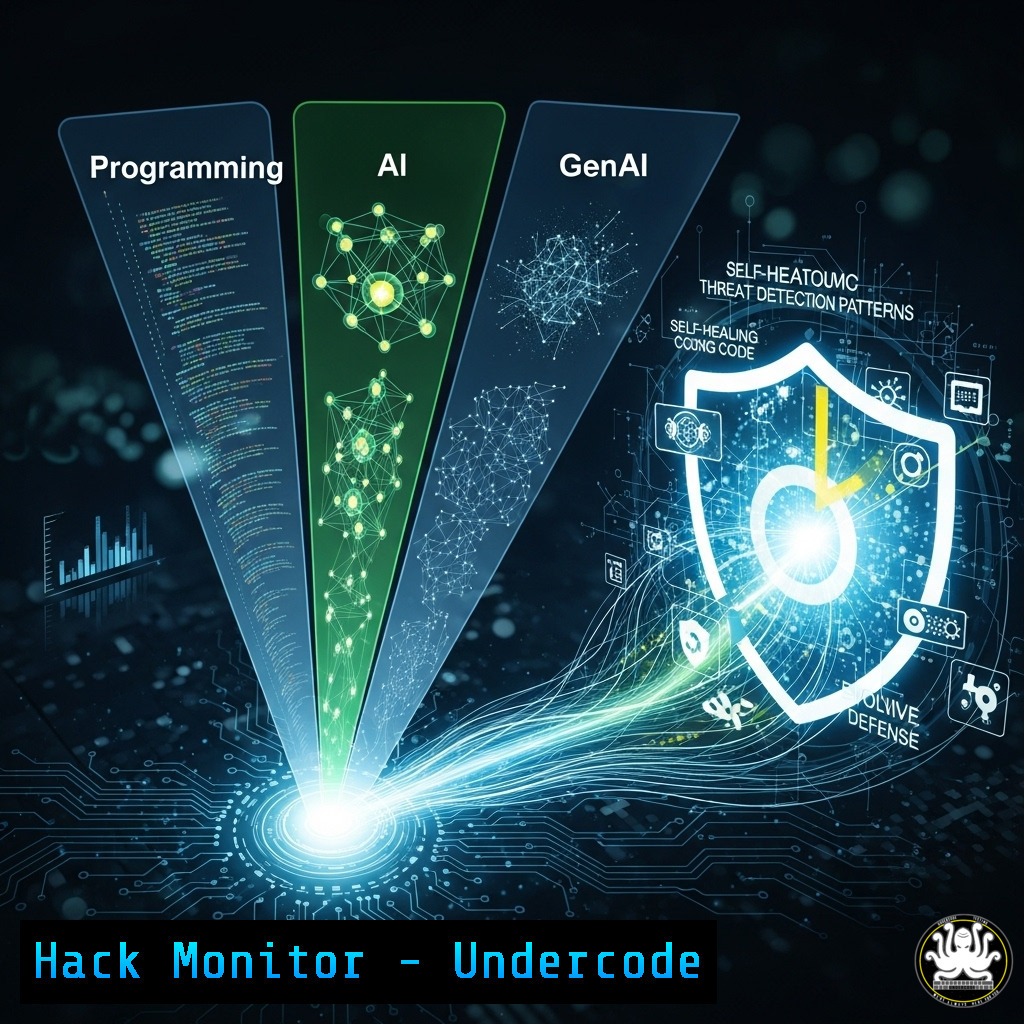
Introduction:
The convergence of application programming, traditional AI, and Generative AI is creating a powerful new paradigm in technology development. This hybrid approach, while driving unprecedented efficiency and profitability, also introduces a complex new frontier of cybersecurity challenges and solutions that every IT professional must understand.
Learning Objectives:
- Understand the core components of the Programming-AI-GenAI hybrid model and their associated security risks.
- Learn practical commands and techniques to secure AI-driven applications and infrastructure.
- Develop skills to audit, monitor, and defend integrated AI systems against emerging threats.
You Should Know:
1. Securing the AI Development Pipeline
` Git Secrets Installation & Scan (Linux)`
`git clone https://github.com/awslabs/git-secrets.git`
`cd git-secrets && sudo make install`
`git secrets –register-aws && git secrets –scan -r .`
This tool prevents sensitive data like API keys from being committed to AI model repositories. The commands install git-secrets, configure it with AWS key patterns, and recursively scan the current directory for credentials, a critical first step in securing AI development environments.
2. Container Security for AI Model Deployment
` Docker Security Scan (Linux)`
`docker scan `
`docker run –cap-drop=ALL –cap-add=NET_BIND_SERVICE -d ai-model:latest`
The first command scans your AI model container for vulnerabilities using Snyk integration. The second runs the container with minimal capabilities, applying the principle of least privilege to limit damage from potential compromises in your deployed models.
3. Monitoring AI API Endpoints
` Detect anomalous model access (Linux)`
`tail -f /var/log/ai-api.log | grep -E “(POST|GET) /v1/predict” | awk ‘{print $1}’ | sort | uniq -c | sort -nr`
This real-time log monitoring command identifies unusual traffic patterns to your AI prediction endpoints, helping detect potential model abuse or data extraction attacks by counting requests per IP address.
4. Windows-Based AI Service Hardening
` PowerShell: Harden AI processing service`
`Get-Service -Name “AIModelServer” | Set-Service -StartupType Manual`
`Set-NetFirewallRule -DisplayName “Block AI Model Port” -Direction Inbound -Action Block`
These PowerShell commands secure a Windows-hosted AI service by preventing automatic startup and blocking inbound connections to its port, reducing the attack surface of AI components integrated with enterprise systems.
5. Generative AI Output Validation
` Python: Sanitize GenAI output`
`import html`
`def sanitize_ai_output(text):`
` sanitized = html.escape(text)`
` if len(sanitized) > 1000:`
` raise ValueError(“Output length exceeded”)`
` return sanitized`
This Python code snippet demonstrates basic output sanitization for Generative AI responses, preventing XSS attacks and output length attacks that could crash downstream applications.
6. Cloud AI Service Configuration Audit
` AWS CLI: Check SageMaker security`
`aws sagemaker describe-notebook-instance –notebook-instance-name my-ai-dev`
`aws iam get-policy-version –policy-arn arn:aws:iam::123:policy/AI-Policy –version-id v1`
These AWS CLI commands audit the configuration of AI development environments and associated IAM policies, ensuring proper security settings are in place for cloud-based AI services.
7. AI Training Data Security
` Encrypt sensitive training data (Linux)`
`openssl enc -aes-256-cbc -salt -in training_data.csv -out training_data.enc -k $(cat /etc/ai-key)`
`gpg –batch –yes –encrypt –recipient [email protected] data_samples.tar`
These commands encrypt sensitive training data using both symmetric (OpenSSL) and asymmetric (GPG) encryption, protecting proprietary datasets that could be targeted by attackers.
What Undercode Say:
- The integration of GenAI into traditional software stacks creates unprecedented attack surfaces where data poisoning, model theft, and prompt injection become critical threats.
- Security teams must evolve beyond traditional application security to encompass AI-specific vulnerabilities while maintaining conventional infrastructure hardening.
The hybrid AI model represents both the greatest advancement and most significant vulnerability expansion in modern software architecture. While organizations rush to integrate Generative AI for competitive advantage, they’re often deploying these systems with inadequate security controls. The fundamental shift requires that we stop treating AI components as black boxes and start applying rigorous security practices throughout the entire AI development lifecycle—from data collection to model deployment and output handling. Security professionals must develop AI-specific expertise alongside their traditional skills to defend against attacks that exploit the unique characteristics of machine learning systems.
Prediction:
Within two years, we will see the first major cybersecurity incident caused by AI model compromise rather than traditional software vulnerabilities, potentially resulting in systemic failures across financial, healthcare, or critical infrastructure systems. This will trigger new regulatory frameworks specifically for AI security and create massive demand for professionals who understand both cybersecurity and artificial intelligence.
🎯Let’s Practice For Free:
IT/Security Reporter URL:
Reported By: Abhishek Misra – Hackers Feeds
Extra Hub: Undercode MoN
Basic Verification: Pass ✅


