
Listen to this Post
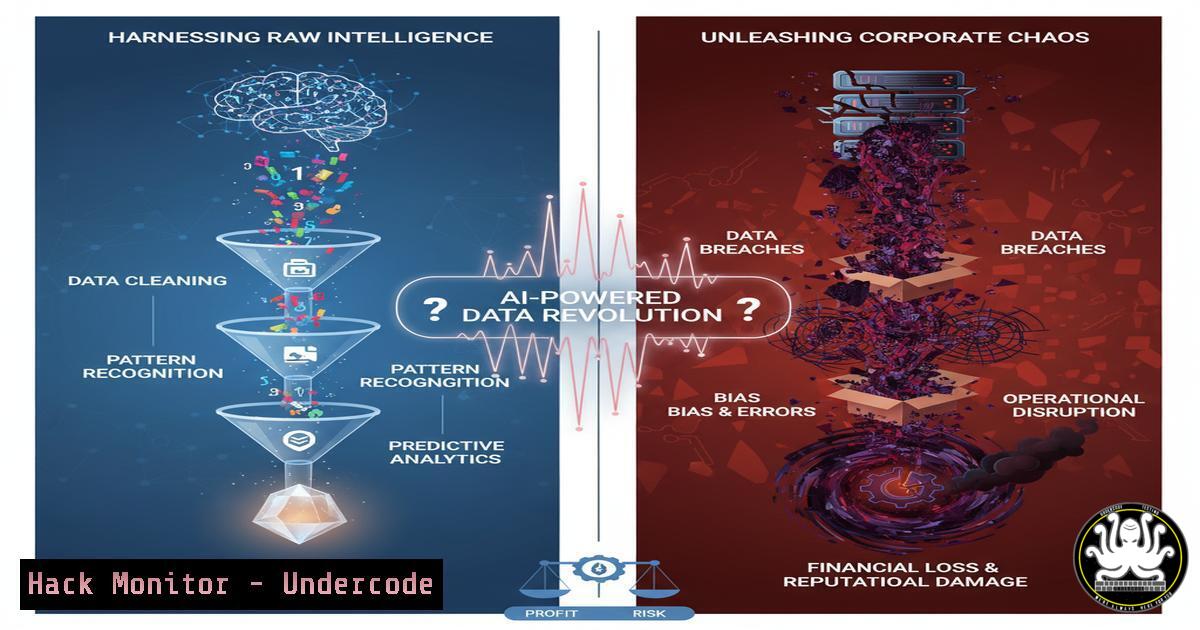
Introduction:
The race to transform raw enterprise data into actionable intelligence through AI platforms represents both the next frontier in business efficiency and a potential cybersecurity nightmare. As organizations rush to implement “ask-anything” AI systems, they’re creating unprecedented attack surfaces that could expose sensitive corporate wisdom to malicious actors.
Learning Objectives:
- Understand the critical security vulnerabilities in AI data harnessing platforms
- Implement robust access controls and monitoring for AI-PaaS environments
- Develop comprehensive incident response protocols for AI system compromises
You Should Know:
1. AI API Endpoint Hardening
 Check for exposed AI endpoints
nmap -sV --script http-title -p 443,80,3000,5000 target-domain.com

Test for insecure direct object references in AI APIs
curl -H "Authorization: Bearer token" https://api.ai-platform.com/v1/datasets/123
curl -H "Authorization: Bearer token" https://api.ai-platform.com/v1/datasets/124
This reconnaissance methodology identifies exposed AI service endpoints and tests for authorization bypass vulnerabilities that could allow attackers to access sensitive training data or model parameters through simple ID manipulation.
2. Data Lake Access Control Verification
 Audit Azure Data Lake permissions
Get-AzDataLakeGen2AclRecursive -Context $ctx -FileSystem "ai-training-data"

Monitor for anomalous data access patterns
Get-AzOperationalInsightsQuery -WorkspaceId "ws-id" -Query "StorageBlobLogs | where TimeGenerated > ago(1h) | where OperationName == 'GetBlob' | where ResponseBodySize > 1000000"
These PowerShell commands verify proper access control implementation in cloud data lakes and detect potential data exfiltration through monitoring of unusually large data transfers from AI training repositories.
3. Model Poisoning Detection Framework
 Monitor for training data anomalies
import pandas as pd
from sklearn.ensemble import IsolationForest

training_data = load_ai_training_dataset()
clf = IsolationForest(contamination=0.01)
anomalies = clf.fit_predict(training_data)
suspicious_entries = training_data[anomalies == -1]
This Python script implements anomaly detection to identify potential model poisoning attempts by flagging statistical outliers in training data that could corrupt AI decision-making processes.
4. AI Service Container Security
 Scan AI platform containers for vulnerabilities
docker scan ai-service-container:latest

Implement runtime security monitoring
falco -r /etc/falco/falco_rules.yaml -r /etc/falco/falco_rules_ai_platform.yaml
Container security assessment and runtime monitoring specifically configured for AI service deployments, detecting suspicious activities like model theft attempts or unauthorized data access.
5. Prompt Injection Mitigation
// Sanitize AI input prompts
function sanitizePrompt(userInput) {
const blacklist = [/system:/gi, /file:/gi, /http:/gi, /https:/gi];
let sanitized = userInput;
blacklist.forEach(pattern => {
sanitized = sanitized.replace(pattern, '[bash]');
});
return sanitized.substring(0, 1000); // Limit input length
}
Input validation and sanitization routine to prevent prompt injection attacks that could manipulate AI systems into revealing sensitive information or performing unauthorized actions.
6. Model Theft Prevention
 Encrypt AI models at rest and in transit
openssl enc -aes-256-cbc -salt -in model.pkl -out model.enc -k pass:strongpassword

Implement model access logging
auditctl -w /ai-models/ -p rwxa -k ai_model_access
Encryption and comprehensive auditing controls to protect proprietary AI models from theft, ensuring both cryptographic protection and detailed access monitoring.
7. AI Supply Chain Security
 Verify integrity of AI dependencies
pip hash requirements_ai.txt

Scan for malicious packages in AI toolchain
twistcli coderepo scan --address $PC_URL --user $PC_USER --password $PC_PASS ./ai-source-code/
Dependency verification and malicious package detection specifically tailored for AI development pipelines, preventing supply chain attacks through compromised machine learning libraries.
What Undercode Say:
- The convergence of AI and data accessibility creates unprecedented attack surfaces that traditional security models cannot adequately protect
- Organizations must implement AI-specific security frameworks rather than relying on conventional cybersecurity measures
- The rush to democratize data access through AI platforms often prioritizes functionality over security, creating systemic vulnerabilities
The fundamental challenge lies in balancing data accessibility with security in AI-powered platforms. While the promise of “company wisdom through simple questions” drives business value, it simultaneously creates pathways for sophisticated attacks targeting both the AI models themselves and the underlying data infrastructure. Security teams must evolve beyond traditional perimeter defense and embrace AI-native security postures that account for unique threats like model inversion, membership inference, and training data extraction attacks.
Prediction:
Within two years, we’ll witness the first major enterprise breach originating from compromised AI data harnessing platforms, leading to unprecedented intellectual property theft and forcing regulatory intervention. The incident will trigger industry-wide security overhauls and establish new compliance frameworks specifically for AI-PaaS security, ultimately slowing adoption but creating more resilient AI ecosystems.
🎯Let’s Practice For Free:
IT/Security Reporter URL:
Reported By: Haraldikonen I – Hackers Feeds
Extra Hub: Undercode MoN
Basic Verification: Pass ✅


