Listen to this Post
Introduction:
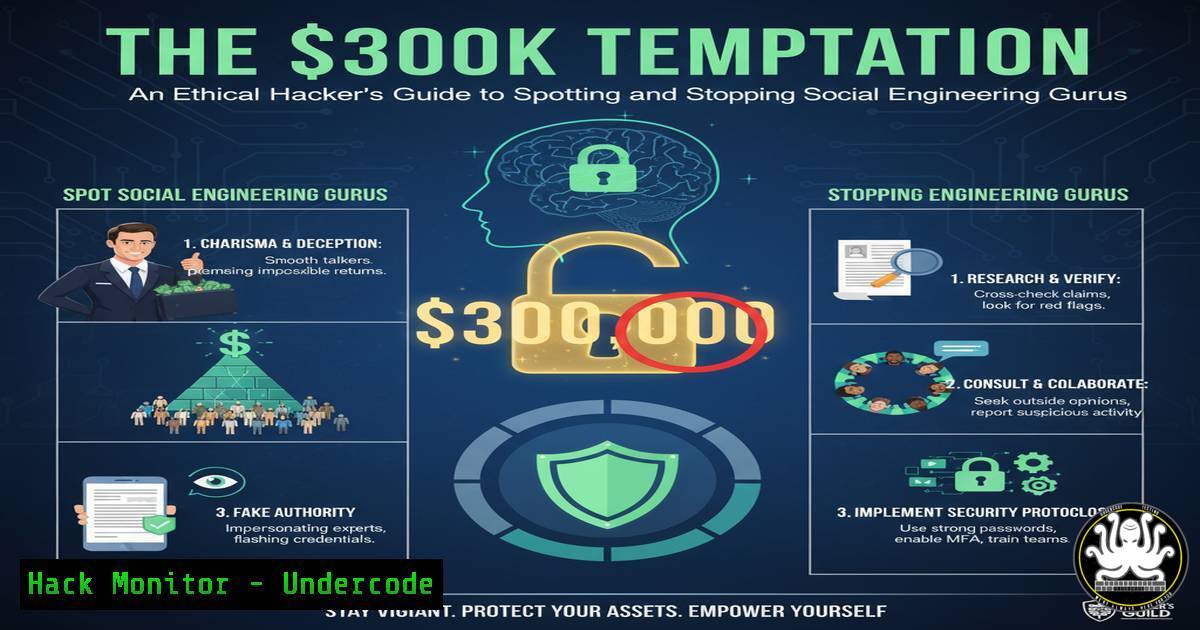
In a digital landscape rife with social engineering attacks, the recent case of a scientific communicator rejecting a €300K offer from a potential “physics guru” reveals critical parallels to cybersecurity ethics. This incident mirrors the constant temptations security professionals face when offered lucrative opportunities that compromise integrity, whether through unethical penetration testing requests, weaponized AI development, or compliance bypasses. The decision to prioritize ethical standards over financial gain represents the foundational principle of trustworthy security practice.
Learning Objectives:
- Identify social engineering tactics masquerading as legitimate business opportunities
- Implement technical verification processes for potential clients and partners
- Establish ethical frameworks for engagement decision-making in security operations
You Should Know:
1. OSINT Background Verification Framework
 LinkedIn Company Verification
linkedin2username -c "Company Name" -o company_users.txt
theHarvester -d target-domain.com -l 500 -b linkedin
python3 sherlock "target_username"

Domain Intelligence
whois target-domain.com
nslookup -type=MX target-domain.com
dig TXT target-domain.com
This verification pipeline helps identify fraudulent organizations by cross-referencing professional claims with technical footprints. Start with LinkedIn data extraction using specialized tools, then proceed to domain registration analysis checking for recent creations or privacy shields. The TXT records reveal email security configurations, while Sherlock correlates username presence across platforms to identify inconsistent digital footprints.
2. Digital Persona Authentication Commands
 Image Forensics
exiftool suspicious_image.jpg
forensics_ai verify --image profile_picture.png
strings profile_picture.png | grep -i "generated|ai|model"

Video Metadata Analysis
ffprobe suspicious_video.mp4
youtube-dl --get-description [bash] > video_meta.txt
When evaluating individuals claiming scientific expertise, image and video verification becomes crucial. Exiftool extracts metadata revealing creation software and modification history. The strings command searches for AI generation artifacts in image files, while video analysis tools help verify the authenticity of claimed scientific demonstrations.
3. Financial Transaction Anomaly Detection
 Blockchain Analysis (if cryptocurrency involved)
blockchain_parser --address BTC_ADDRESS --api blockchain.com
python3 crypto_sleuth.py --tx transaction_hash --output report.html

Payment Pattern Analysis
zeek -r payment_traffic.pcap -s financial_scripts.zeek
tshark -r payments.pcap -Y "http.request.method == POST" -T fields -e http.host -e http.request.uri
High-value offers often involve unusual payment methods or patterns. These commands help analyze cryptocurrency transactions for fraudulent patterns and monitor network traffic for payment anomalies. The Zeek script analyzes financial transaction patterns while tshark extracts payment-related web traffic.
4. Communication Security Verification
 Email Header Analysis
python3 email_analyzer.py --file email.eml --verbose
dmarc_verify --domain company.com --report

Encrypted Communication Setup
gpg --import public_key.asc
echo "confidential message" | gpg --encrypt --recipient [email protected]
signal-cli -u +123456789 send +098765432 -m "Verified meeting confirmation"
Secure communication verification prevents business email compromise. Email analysis tools verify DMARC/DKIM/SPF records, while encrypted communication ensures sensitive discussions remain confidential. The GPG commands enable secure message exchange, and Signal CLI provides end-to-end encrypted business communication.
5. Organizational Digital Footprint Analysis
 Website Technology Stack Verification
wappalyzer target-domain.com
whatweb -v target-domain.com
nmap -sV --script http-enum target-domain.com

Social Media Presence Analysis
twint -u @target_handle --stats
python3 social_analyzer --username "target" --websites all
Legitimate organizations maintain consistent digital footprints. These commands analyze the technological infrastructure and social media presence to identify inconsistencies. Wappalyzer identifies web technologies while social analysis tools verify claimed expertise across platforms and identify anomalous activity patterns.
6. Credential Verification Pipeline
 Academic Credential Verification
python3 scholar_analyzer.py --name "John Doe" --institution "University"
crossref --doi DOI_NUMBER --verify
orcid --search "family-name: Doe" --affiliation-org-name "University"

Professional Certification Checks
cert_verifier --certificate cert_file.pdf --type professional
license_check --profession "physicist" --jurisdiction "international"
False expertise claims often include fabricated credentials. This verification pipeline cross-references academic publications through Crossref, validates ORCID researcher profiles, and checks professional licensing databases. The certification tools verify the authenticity of claimed credentials through official channels.
7. Threat Intelligence Integration
 Reputation Scoring
abuseipdb --check IP_ADDRESS
virustotal --domain target-domain.com --section submissions
alienvault --ip IP_ADDRESS --reputation

Dark Web Monitoring
python3 dark_web_monitor.py --term "Organization Name" --output findings.json
onionsearch --query "target_name" --limit 100
Integrating threat intelligence provides context about potential malicious actors. These commands check IP and domain reputation across multiple security databases while dark web monitoring identifies discussions or data leaks related to the organization or individual being evaluated.
What Undercode Say:
- Ethical Boundaries Define Professional Legacy: The decision to reject short-term gain preserves long-term credibility in the security ecosystem
- Technical Verification Prevents Business Compromise: Systematic background checks using OSINT tools provide objective data for engagement decisions
The $300K refusal case demonstrates that security ethics extend beyond traditional penetration testing into business development decisions. Just as security professionals must reject unethical hacking requests, they must also vet business opportunities against technical and ethical standards. The incident reveals how social engineers increasingly target professionals with high-value offers to compromise their platforms or reputations. Systematic verification using these technical frameworks transforms subjective ethical decisions into objective security assessments, creating defensible decision-making processes that protect both organizational integrity and professional reputation.
Prediction:
The convergence of AI-generated personas and sophisticated social engineering will create hyper-targeted business compromise attempts, where threat actors use verified-looking digital footprints to lure security professionals into unethical partnerships. Within two years, we’ll see rise of “white-collar social engineering” campaigns specifically targeting cybersecurity executives with fake merger opportunities, weaponized investment offers, and compromised supply chain partnerships. The defense will require advanced digital forensics integrated into business development workflows, with ethical frameworks becoming mandatory components of organizational security policies.
🎯Let’s Practice For Free:
IT/Security Reporter URL:
Reported By: Alexia Youknovsky – Hackers Feeds
Extra Hub: Undercode MoN
Basic Verification: Pass ✅


