Listen to this Post
Introduction:
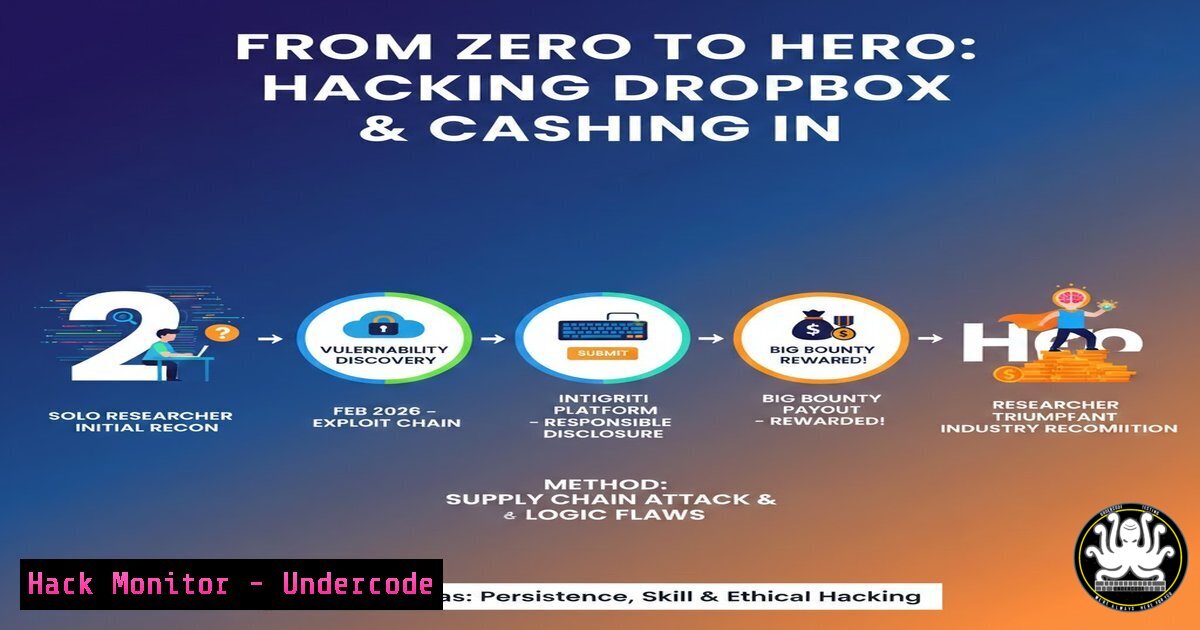
The world of bug bounty hunting represents a critical frontier in modern cybersecurity, where independent researchers ethically probe major platforms for vulnerabilities. A recent success story involves a researcher who identified and reported a security flaw in Dropbox via the Intigriti platform, leading to a verified finding and a financial reward. This case exemplifies the structured, professional path from discovery to compensation, highlighting the tools, methodologies, and platforms that power the crowdsourced security ecosystem.
Learning Objectives:
- Understand the end-to-end workflow of a successful bug bounty submission on platforms like Intigriti.
- Learn fundamental reconnaissance and vulnerability validation techniques for web applications and cloud services.
- Grasp the importance of proper disclosure and communication with security teams.
You Should Know:
1. The Bug Bounty Ecosystem and Platform Selection
The first step is engaging with the right platform. Intigriti, HackerOne, and Bugcrowd act as intermediaries, managing programs for companies like Dropbox. They define scope, rules of engagement, and reward schedules.
Step‑by‑step guide:
- Research & Sign-Up: Visit platforms like
https://www.intigriti.com/` orhttps://www.hackerone.com/`. Create a detailed researcher profile highlighting your skills. - Program Scoping: Carefully read the program’s brief. For Dropbox on Intigriti, you would note which domains (e.g.,
.dropbox.com,.dropboxbusiness.com) are in-scope and which testing methods (e.g., DDoS, physical testing) are forbidden. - Legal Agreement: Accept the terms and conditions to ensure your testing is authorized and protected under the program’s policy.
2. Reconnaissance and Attack Surface Mapping
Before testing, you must map the target’s digital footprint. This involves discovering subdomains, APIs, and deployed technologies.
Step‑by‑step guide:
1. Subdomain Enumeration: Use tools to find subdomains.
 Linux command using subfinder and amass
subfinder -d dropbox.com -silent | tee subdomains.txt
amass enum -passive -d dropbox.com >> subdomains.txt
sort -u subdomains.txt -o subdomains.txt
2. Technology Stack Identification: Use `Wappalyzer` (browser extension) or `whatweb` to identify frameworks, servers, and components.
whatweb https://www.dropbox.com
3. Endpoint Discovery: Use tools like `gobuster` or `ffuf` to discover hidden directories and API endpoints.
gobuster dir -u https://target.dropbox.com -w /usr/share/wordlists/dirb/common.txt
3. Methodical Vulnerability Testing and Validation
Testing must be systematic. Common vulnerability classes for cloud storage include Improper Access Control, Insecure Direct Object References (IDOR), and Cross-Site Scripting (XSS).
Step‑by‑step guide for testing IDOR:
- Identify Object References: Look for parameters like
?file_id=123,?user_id=456, or `?document_key=abc` in API requests. - Modify Parameters: Using a proxy like Burp Suite or OWASP ZAP, change these parameters to access another user’s potential resources.
Original Request: `GET /api/v1/download?file_id=12345`
Test Request: `GET /api/v1/download?file_id=12346`
- Analyze Response: If the second request successfully downloads a file you shouldn’t have access to, an IDOR exists. Crucially, only test with accounts you own or are authorized to test against.
4. Crafting the Professional Bug Report
A clear, reproducible report is essential for acceptance. Platforms like Intigriti have structured submission forms.
Step‑by‑step guide:
- Clear and concise (e.g., “IDOR on api.dropbox.com allows downloading of private files without authorization”).
2. Summary: High-level impact description.
- Steps to Reproduce: Numbered, detailed list. Include every click, input, and observed output.
> 1. Log in to account A at app.dropbox.com.
> 2. Upload a private file, note its ID from the network tab:file_id=111.
> 3. Log in to account B.
> 4. Send request `GET /api/v1/files/download?file_id=111`.
- Observe successful download of Account A’s file.
- Impact: Explain the risk (data breach, privacy violation).
5. Evidence: Attach screenshots, videos, and curl commands.
curl -H "Authorization: Bearer <ACCOUNT_B_TOKEN>" https://api.dropbox.com/v1/files/download?file_id=111 -v
5. Post-Submission: Verification, Remediation, and Reward
The vendor’s security team will triage, verify, and scope the bug’s severity.
Step‑by‑step guide:
- Communication: Respond promptly to any queries from the triager. Provide additional clarity if needed.
- Validation Wait: The team will attempt to reproduce your findings internally.
- Remediation Tracking: Once confirmed, they will assign it to developers for a fix (e.g., implementing proper authorization checks).
- Payout: After the fix is deployed, the platform processes the bounty reward according to the published severity matrix (e.g., Critical, High, Medium).
What Undercode Say:
- The Professionalization of Security Research: Bug bounty platforms have transformed hacking from a clandestine activity into a legitimate, structured, and lucrative career path. They provide a clear legal framework and financial incentive for finding flaws, directly making the internet safer.
- Methodology Over Luck: Consistent success is not about random luck but about applying a rigorous, repeatable process of reconnaissance, analysis, testing, and communication. The most successful hunters are systematic engineers.
Analysis:
This case is a microcosm of effective crowdsourced security. It demonstrates that even giants like Dropbox, with robust internal security teams, benefit from the diverse perspective of external researchers. The researcher’s use of a managed platform (Intigriti) ensured a smooth, professional interaction, turning a potential security incident into a positive outcome for all parties. This model significantly increases the number of “eyes on the code,” reducing the likelihood of vulnerabilities making it to production. It also democratizes security, allowing talented individuals worldwide to contribute and be compensated based purely on merit and skill.
Prediction:
The bug bounty ecosystem will continue to mature and expand beyond traditional web applications into emerging domains. We will see a significant rise in programs targeting:
1. AI/ML Systems: Specialized bounties for model poisoning, data leakage, and adversarial attacks against AI APIs.
2. Cloud-Native Infrastructure: Focus on misconfigurations in Kubernetes (K8s), serverless functions (AWS Lambda, Azure Functions), and Infrastructure-as-Code (Terraform, CloudFormation) templates.
3. Connected Hardware & IoT: As products from cars to home appliances become more software-defined, their external attack surfaces will become valid targets for responsible disclosure programs, pushing vendors to build security in from the start.
▶️ Related Video (78% Match):
🎯Let’s Practice For Free:
IT/Security Reporter URL:
Reported By: Https: – Hackers Feeds
Extra Hub: Undercode MoN
Basic Verification: Pass ✅


