Listen to this Post
Introduction
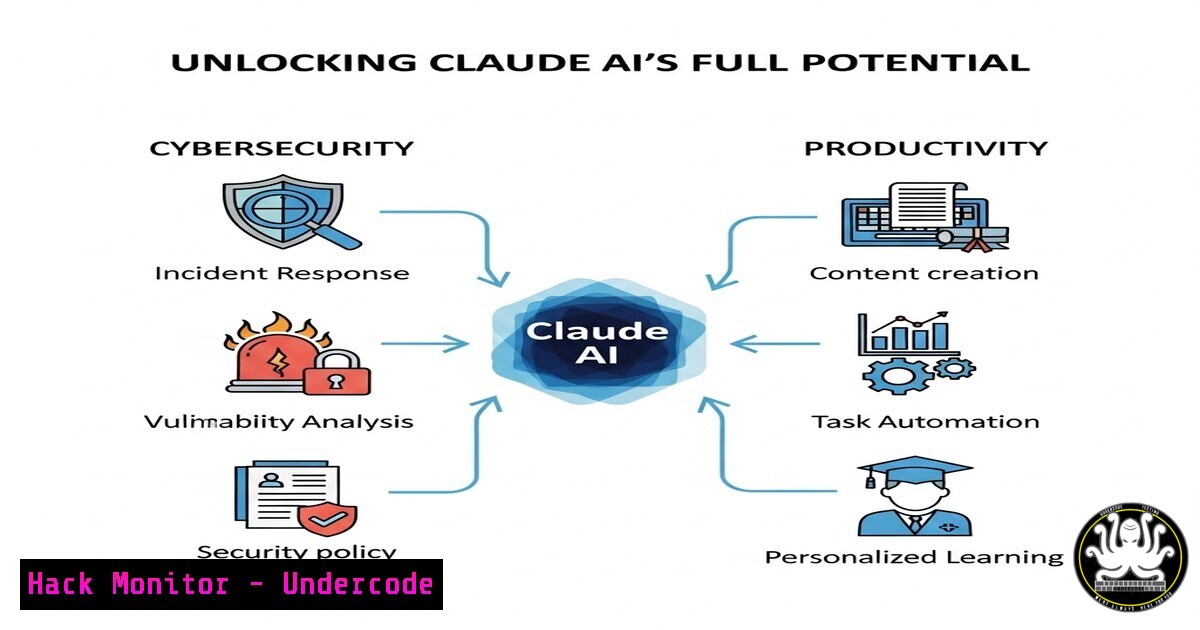
Claude-utils, now trending on Product Hunt, promises to supercharge Claude AI’s capabilities for coding, automation, and cybersecurity tasks. This article explores how AI-powered utilities can enhance productivity while addressing security risks in AI-driven workflows.
Learning Objectives
- Learn how to integrate Claude-utils securely into development environments.
- Discover AI-assisted cybersecurity commands for threat detection and automation.
- Understand best practices for hardening AI tool deployments.
You Should Know
1. Securing API Integrations with Claude-utils
Claude-utils interacts with APIs to fetch and process data. To prevent unauthorized access, use OAuth 2.0 and enforce rate-limiting.
Command (Linux):
 Install and configure OAuth2 Proxy
sudo apt-get install oauth2-proxy
oauth2-proxy --client-id=YOUR_CLIENT_ID --client-secret=YOUR_SECRET --provider=github --cookie-secret=SECURE_RANDOM_STRING
What This Does:
This sets up an authentication layer for Claude-utils API calls, ensuring only authorized users access AI-generated outputs.
2. AI-Assisted Log Analysis for Threat Detection
Claude-utils can parse logs for anomalies. Use this command to scan for suspicious SSH login attempts:
Command (Linux):
grep "Failed password" /var/log/auth.log | awk '{print $9}' | sort | uniq -c | sort -nr
What This Does:
This extracts and counts failed SSH login attempts, helping identify brute-force attacks.
3. Hardening AI Model Deployments
AI tools like Claude-utils must be sandboxed to prevent data leaks. Use Docker for isolation:
Command:
docker run -it --rm --name claude-utils -v $(pwd)/data:/app/data claude-utils:latest
What This Does:
This runs Claude-utils in a container, restricting file system access to a designated folder.
4. Automating Security Patching with AI
Claude-utils can generate scripts to automate vulnerability fixes. Example:
Command (Windows PowerShell):
 Check for missing Windows updates
Get-WindowsUpdate -Install -AcceptAll -AutoReboot
What This Does:
This ensures your system stays updated, reducing exploit risks.
5. AI-Powered Malware Detection
Use Claude-utils to scan for malicious files with YARA rules:
Command (Linux):
yara -r /path/to/malware_rules.yar /suspicious/directory
What This Does:
This scans files against known malware signatures, flagging potential threats.
What Undercode Say
- AI tools amplify productivity but introduce new attack surfaces. Proper access controls and sandboxing are critical.
- Automation is a double-edged sword—validate AI-generated scripts before execution.
Analysis:
AI utilities like Claude-utils streamline workflows but must be deployed securely. Misconfigured API access or unchecked automation can lead to data breaches. Future AI tools will likely integrate deeper into cybersecurity, requiring stricter governance.
Prediction
As AI-assisted coding grows, we’ll see more AI-specific exploits, such as prompt injection attacks. Organizations must adopt AI security frameworks to mitigate risks while leveraging productivity gains.
🎯Let’s Practice For Free:
IT/Security Reporter URL:
Reported By: Josharsh Claude – Hackers Feeds
Extra Hub: Undercode MoN
Basic Verification: Pass ✅


