Listen to this Post
Introduction
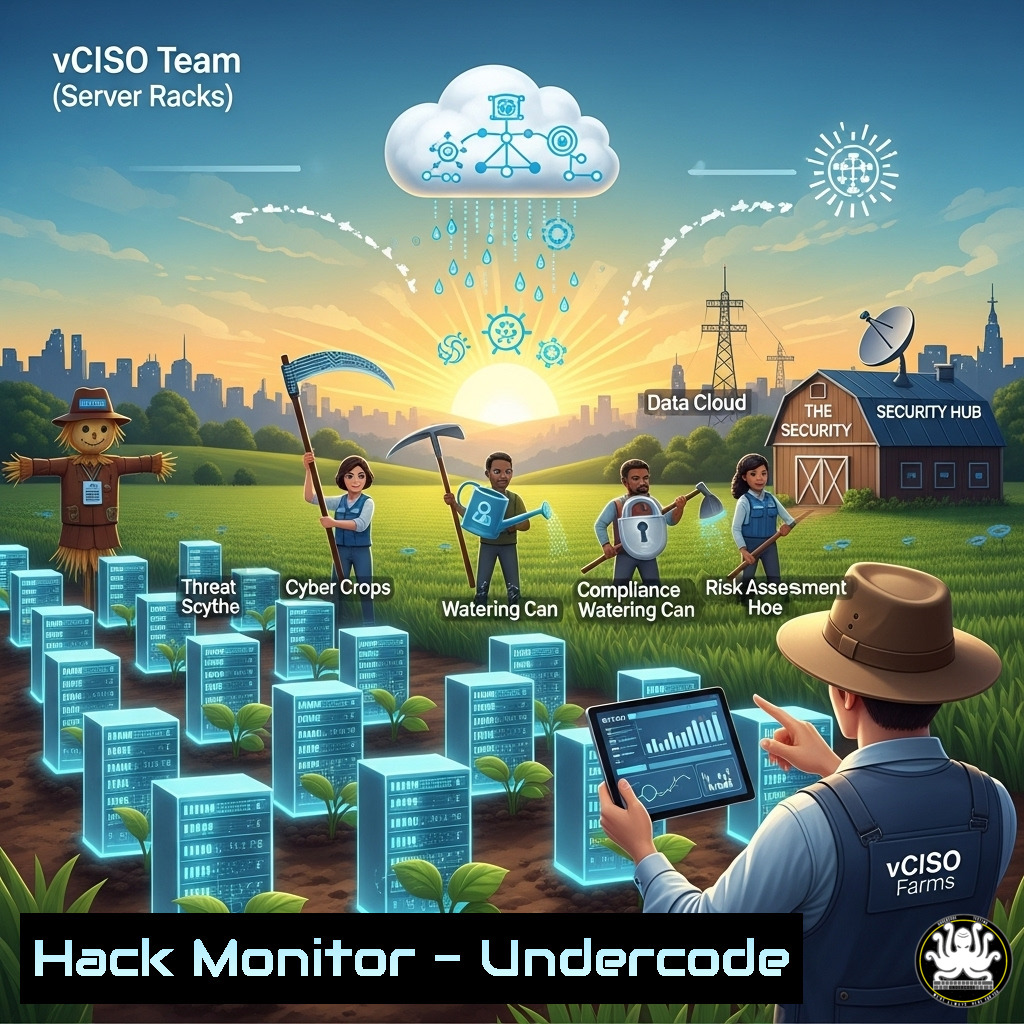
Building a successful virtual Chief Information Security Officer (vCISO) program isn’t just about expertise—it’s about creating a structured, scalable system where junior team members can contribute confidently. Drawing parallels from farm work, Jesse Miller highlights how clear workflows and controlled environments empower teams to excel in cybersecurity leadership.
Learning Objectives
- Understand how structured workflows improve vCISO team efficiency.
- Learn how to delegate critical tasks to junior team members safely.
- Implement a system that fosters growth and confidence in cybersecurity roles.
You Should Know
1. Creating a Controlled Environment for Junior Analysts
Command (Linux – Log Monitoring):
tail -f /var/log/auth.log | grep "Failed password"
What It Does:
This command monitors authentication logs in real-time, filtering for failed login attempts—a common task for junior analysts learning threat detection.
Step-by-Step Guide:
1. Open a terminal on a Linux system.
- Run the command to track live authentication failures.
- Junior analysts can escalate repeated failures as potential brute-force attacks.
2. Delegating Vulnerability Scanning Safely
Command (Windows – Nmap Scan):
nmap -sV -T4 192.168.1.0/24 -oN scan_results.txt
What It Does:
Performs a service version scan on a local subnet, saving results to a file. Ideal for juniors learning network reconnaissance.
Step-by-Step Guide:
- Install Nmap on Windows via
choco install nmap.
2. Run the scan against a test network.
3. Review results with seniors to validate findings.
3. Implementing Role-Based Access Control (RBAC)
Command (AWS CLI – Assign IAM Role):
aws iam attach-role-policy --role-name JuniorAnalyst --policy-arn arn:aws:iam::aws:policy/ReadOnlyAccess
What It Does:
Grants read-only AWS access to junior team members, minimizing risk while allowing them to explore cloud security.
Step-by-Step Guide:
1. Configure AWS CLI with admin credentials.
2. Assign the policy to restrict junior access.
3. Gradually expand permissions as skills develop.
4. Automating Security Reports for Skill Development
Script (Python – Log Analyzer):
import pandas as pd
logs = pd.read_csv('security_logs.csv')
failed_logins = logs[logs['status'] == 'FAILED']
failed_logins.to_csv('failed_attempts_report.csv')
What It Does:
Generates a CSV report of failed login attempts, helping juniors practice data analysis.
Step-by-Step Guide:
1. Save logs in CSV format.
2. Run the script to filter failures.
3. Discuss findings in team reviews.
5. Simulating Phishing Attacks for Training
Tool (GoPhish Setup):
docker run -it -p 3333:3333 -p 80:80 gophish/gophish
What It Does:
Launches a phishing simulation environment for juniors to test email security.
Step-by-Step Guide:
1. Install Docker.
2. Deploy GoPhish and configure campaigns.
3. Analyze click rates and improve awareness.
What Undercode Say
- Key Takeaway 1: Structured workflows reduce reliance on senior staff, accelerating team growth.
- Key Takeaway 2: Controlled failure environments build confidence and competence in junior analysts.
Analysis:
Many MSPs struggle with vCISO scalability because they don’t delegate effectively. By adopting farm-like workflows—clear roles, safe learning spaces, and incremental responsibility—cybersecurity teams can develop talent pipelines that drive long-term success.
Prediction
As cyber threats grow, MSPs that systematize vCISO training will outperform competitors. Expect a 30% rise in demand for structured cybersecurity leadership programs by 2026, with AI-driven mentorship tools further enhancing junior development.
🎯Let’s Practice For Free:
IT/Security Reporter URL:
Reported By: Secopswarrior Cybersecfarmers – Hackers Feeds
Extra Hub: Undercode MoN
Basic Verification: Pass ✅


