Listen to this Post
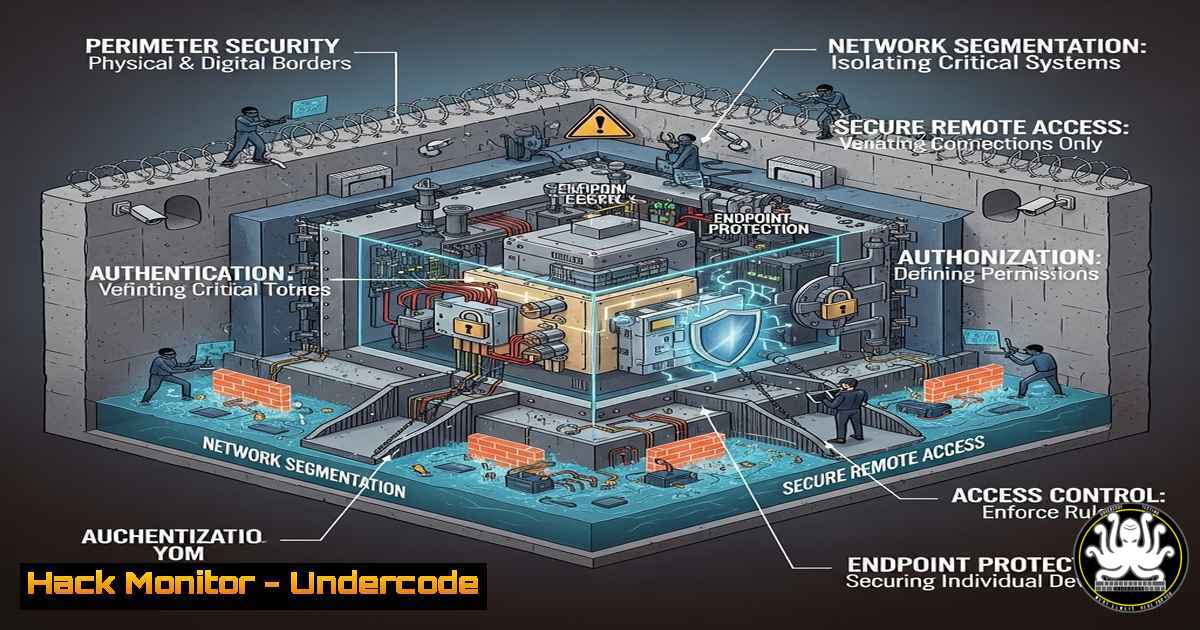
Introduction:
As industrial control systems (PLCs) evolve, merging electrical engineering with software development, cybersecurity gaps widen. Legacy OT environments face unprecedented threats from ransomware to state-sponsored attacks. This guide arms you with critical defenses for PLCs, HMIs, and SCADA networks.
Learning Objectives:
- Harden Windows/Linux-based PLC engineering workstations
- Segment OT networks using industrial firewall rules
- Detect PLC memory corruption exploits with YARA rules
- Secure OPC UA communications with certificate hardening
- Deploy anomaly detection for ladder logic manipulation
1. Lock Down Legacy PLC Engineering Stations
Command (Windows):
Set-NetFirewallRule -Name "BlockS7" -Enabled True -Direction Inbound -Protocol TCP -LocalPort 102 -Action Block
Step-by-step:
1. Open PowerShell as Administrator
- Execute command to block Siemens S7comm traffic (Port 102/TCP)
3. Prevents unauthorized access to PLC programming interfaces
Why? Legacy Siemens PLCs use unencrypted S7comm—prime ransomware target.
2. Harden Linux-Based HMIs
Command (Linux):
sudo apt install apparmor && sudo aa-enforce /etc/apparmor.d/usr.bin.hmi
Step-by-step:
1. Install AppArmor mandatory access control
- Enforce HMI application profile to restrict system calls
3. Mitigates privilege escalation via compromised HMIs
3. Detect Ladder Logic Tampering
YARA Rule:
rule suspicious_stl_code {
strings:
$jmp_override = "JMP" nocase
$unconditional = "JU" nocase
condition:
any of them and filesize < 200KB
}
Step-by-step:
1. Deploy rule via OpenPLC intrusion detection
2. Flags unauthorized jump commands in .STL files
3. Critical for detecting Stuxnet-style logic bombs
4. Secure OPC UA with Certificate Pinning
OpenSSL Command:
openssl s_client -connect plc-opc.domain:4840 -showcerts | openssl x509 -fingerprint -sha256
Step-by-step:
1. Extract PLC OPC server certificate fingerprint
2. Configure OPC UA client with pinned fingerprint
3. Blocks MITM attacks on industrial data pipelines
5. Microsegment Profinet Networks
Tofino CLI Configuration:
create rule --name "Profinet-Isolate" --src "ZoneA" --dst "PLC_CPU" --service PROFINET-RT --action ALLOW
Step-by-step:
1. Define source/destination security zones
2. Whitelist PROFINET real-time traffic only
3. Contains lateral movement from compromised HMIs
6. Scan PLC Vulnerabilities with PLCscan
Python Command:
python plcscan.py -i 192.168.1.0/24 -p MODBUS
Step-by-step:
- Install PLCscan (`git clone https://github.com/SCADACS/PLCscan`)
2. Scan subnet for Modbus/TCP-enabled devices
3. Identifies default credentials and unpatched CODESYS controllers
7. Containerize SCADA Applications
Docker Command:
docker run --cap-drop=ALL --read-only -v /opt/scada:/opt/scada:ro scada-app
Step-by-step:
1. Run SCADA app in read-only container
2. Drop all Linux capabilities
3. Prevents persistent malware in container escapes
What Undercode Say:
- OT/IT convergence = attack surface explosion: Unsecured engineering workstations remain 1 breach vector
- AI-powered threats loom: Generative AI can craft malicious ladder logic bypassing signature detection
> “Legacy PLCs weren’t built for cloud-connected IIoT. We’ve found 83% of production facilities have direct internet pathways to controllers. Zero-trust segmentation isn’t optional—it’s survival.”
Prediction:
By 2027, AI-driven PLC ransomware will cause multi-day outages at 40% of smart factories. Attackers will weaponize generative AI to:
1. Auto-reverse engineer proprietary ladder logic
2. Craft physics-aware malware damaging physical actuators
3. Evade air-gapped networks via compromised maintenance laptops
Defense Shift: Hardware-enforced code signing for PLC firmware becomes mandatory under IEC 62443-4-2.
🎯Let’s Practice For Free:
IT/Security Reporter URL:
Reported By: Thomas Benninger – Hackers Feeds
Extra Hub: Undercode MoN
Basic Verification: Pass ✅


