
Listen to this Post
Introduction:
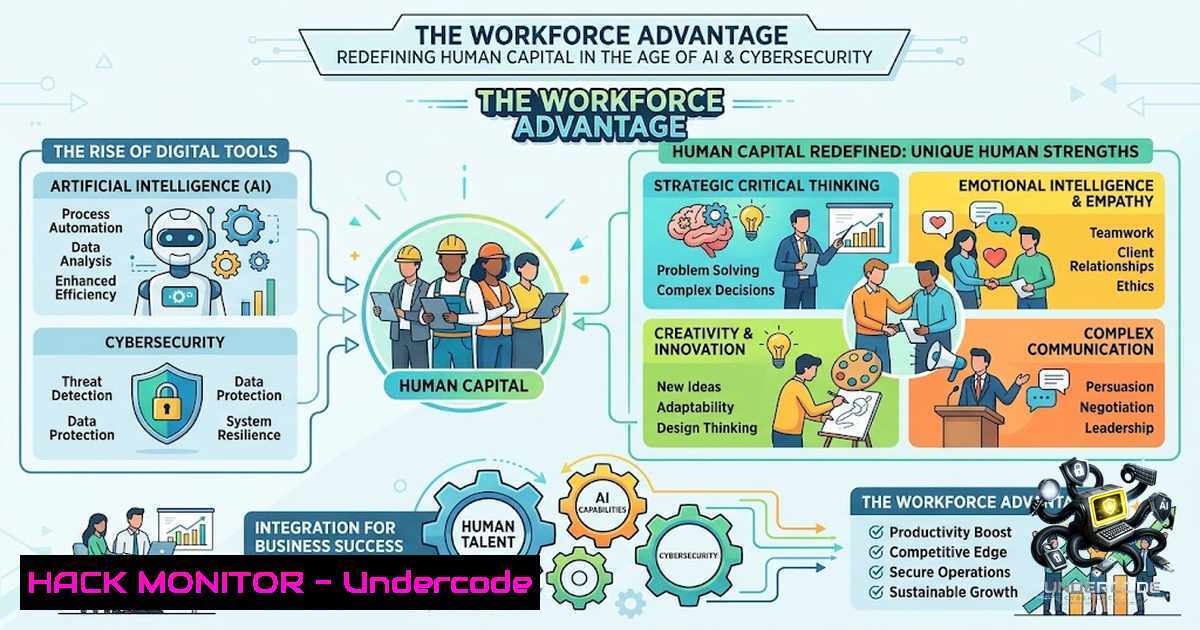
The fundamental question confronting modern enterprises is no longer whether human resources represent a cost or a competitive advantage, but rather how strategic investment in talent can be transformed into a tangible, sustainable edge. As highlighted by the Vietnam HR Summit 2026’s theme, “Building Winning Organisations – The Workforce Advantage”, the convergence of artificial intelligence, digital transformation, and stringent data protection regulations is fundamentally reshaping workforce management. With 86% of companies lacking adequate “talent velocity”—the ability to identify, develop, and mobilize skills in real-time—organizations must urgently adopt a strategic, technology-driven approach to human capital development.
Learning Objectives & Secrets:
- Objective 1: Understand the critical components of talent velocity—the capacity to see existing skills, build or acquire missing competencies, and mobilize talent dynamically to meet market demands.
- Objective 2 Secret Tips: Unlock the power of shared HR data and talent architecture as a source of truth for roles and career pathways, enabling predictive action to accelerate learning and mobility.
- Objective 3 Secret Tips: Leverage AI-powered career development as a wayfinding system, guiding employees through continuous upskilling and reskilling to foster a fluid talent ecosystem.
You Should Know:
- The Talent Velocity Imperative: Closing the AI Divide
The LinkedIn Talent Velocity Report 2026 reveals a stark divide: only 14% of organizations are classified as talent velocity leaders, confidently navigating the AI transition. These leaders outperform laggards by an average of 28 percentage points across key metrics, including confidence in attracting critical talent and aligning skills to changing priorities. The report introduces the Talent Velocity Curve, a framework to help organizations assess their current state across five levels of velocity and implement five accelerators to close the gap. For cybersecurity and IT teams, this means moving beyond static workforce planning to a dynamic “workforce flow” that aligns skills to real-time priorities. Tools like LinkedIn’s Talent Insights can provide the data-driven clarity needed to identify skill gaps in areas like cloud security, AI ethics, and data privacy.
Step-by-Step Guide to Assessing Talent Velocity:
- Audit Current Skills: Use an HRIS or talent management platform to create a real-time inventory of employee skills, certifications, and project experience.
- Define Critical Competencies: Identify the key technical and soft skills required for future success, focusing on areas like AI/ML, cybersecurity, and cloud architecture.
- Map Skills to Roles: Align identified skills with specific roles and career pathways, using a talent architecture as a single source of truth.
- Analyze the Gap: Compare current skill inventories against future needs to identify critical shortages.
- Develop a Mobilization Plan: Create targeted learning and development programs, internal mobility initiatives, and strategic hiring plans to address gaps.
2. Building a Cyber-Resilient Workforce Through Strategic HR
In the era of AI, HR’s role has expanded to that of a “data gatekeeper,” ensuring a balance between technological performance and worker privacy. The Vietnam Labour Forum 2026, themed “Workforce Data Governance in the Era of AI: Secure – Efficient – Trustworthy,” underscores the critical intersection of HR, legal compliance, and cybersecurity. With impending regulations like Vietnam’s Personal Data Protection Decree and the anticipated AI Law taking effect in 2026, HR professionals must become proficient in managing workforce data securely. This includes understanding the risks associated with AI tools like ChatGPT, managing digital evidence in disciplinary actions, and developing strategies for safe “case closure” in the age of AI. The “Cybersecurity for Digital Transformation” program, a joint initiative by the National Innovation Center (NIC) and Vietnam Cybersecurity Network of Experts (VCSEC), exemplifies the growing need to equip employees with risk management thinking and practical implementation skills.
Step-by-Step Guide to Enhancing Workforce Cyber Resilience:
- Conduct a Data Privacy Audit: Review all HR data collection, storage, and processing practices to ensure compliance with local and international data protection laws.
- Develop AI Usage Policies: Create clear guidelines for the ethical and secure use of generative AI tools within the organization.
- Implement Mandatory Cybersecurity Training: Roll out organization-wide training programs that cover phishing awareness, password hygiene, and data handling best practices.
- Establish an Incident Response Plan: Develop a clear protocol for responding to data breaches, including legal notification requirements and internal communication strategies.
- Foster a Security Culture: Promote a culture where security is everyone’s responsibility, encouraging employees to report suspicious activities without fear of reprisal.
-
Reskilling and Upskilling: The Core of the Workforce Advantage
Reskilling and upskilling have become top priorities for businesses aiming to build a future-ready workforce. The Vietnam HR Summit 2026’s four parallel tracks—Redesigning Work Between Humans and AI, Skills Rotation and Retraining, Productivity and Operational HR Excellence, and HR Connect roundtable discussions—highlight the multifaceted approach required. For technical roles, this means moving beyond traditional certifications to embrace continuous learning in areas like AI/ML operations, DevSecOps, and cloud-1ative security. The summit’s “Understand, Learn, Discuss, Benchmark, Act” roadmap emphasizes actionable outcomes, ensuring participants leave with implementable solutions.
Linux Commands for Automating Skill Assessment and Training:
 Script to generate a skills inventory report from a CSV file
awk -F',' '{print $1 "," $2}' employee_skills.csv > skills_report.txt

Using grep to find employees with specific certifications (e.g., CISSP)
grep "CISSP" employee_certifications.txt

Scheduling a cron job for weekly skills gap analysis
crontab -e
 Add line: 0 9   1 /usr/local/bin/skills_gap_analysis.sh
Windows PowerShell Commands for HR Data Security:
 Encrypt an HR data file using PowerShell
Protect-CmsMessage -Path ".\employee_data.csv" -To "[email protected]" -OutFile ".\employee_data_encrypted.csv"

Audit file access permissions on a shared HR folder
Get-Acl -Path "\server\HR_Share" | Format-List

Generate a report of last login times for all domain users
Get-ADUser -Filter  -Properties LastLogonDate | Select-Object Name, LastLogonDate | Export-Csv -Path ".\login_report.csv"
- Navigating the Legal and Ethical Landscape of AI in HR
The integration of AI into HR processes introduces significant legal and ethical challenges. The Vietnam Labour Forum 2026’s mock debate sessions on “HR – Lawyer – AI: Digital Evidence, Online Discipline & Safe ‘Case Closure’ Strategy in the AI Era” highlight the practical dilemmas faced by HR professionals. As AI tools become more sophisticated, organizations must navigate issues related to algorithmic bias, data privacy, and the legal admissibility of AI-generated evidence. This requires a close collaboration between HR, legal, and IT departments to develop robust governance frameworks. The SunFish HR platform’s participation in the forum as a sponsor for HR solution exhibitions reflects the growing market for technology that helps manage these complex compliance requirements.
Step-by-Step Guide to Implementing AI Governance in HR:
- Establish an AI Ethics Committee: Form a cross-functional team including HR, legal, IT, and data science experts to oversee AI implementation.
- Conduct a Bias Audit: Regularly test AI-driven recruitment and performance management tools for potential bias against protected groups.
- Develop Transparency Protocols: Ensure that all AI-driven decisions affecting employees are explainable and can be appealed.
- Implement Data Minimization Practices: Collect only the data necessary for specific HR purposes, and establish clear data retention and deletion policies.
- Stay Informed on Legal Developments: Monitor changes in AI and data protection regulations to ensure ongoing compliance.
What Undercode Say:
- Key Takeaway 1: The primary challenge for organizations is not whether to invest in human capital, but how to invest strategically to turn that investment into a true competitive advantage.
- Key Takeaway 2: Talent velocity—the ability to see, build, and mobilize skills in real-time—is the new battleground for competitive advantage, with only 14% of companies currently leading in this area.
- Key Takeaway 3: HR professionals must evolve into strategic partners and data gatekeepers, navigating the complex intersection of AI, cybersecurity, and legal compliance to build resilient, future-ready organizations.
Prediction:
- +1: Organizations that successfully embrace talent velocity and invest in AI-powered, data-driven HR strategies will gain a significant competitive advantage, achieving higher profitability and better talent retention.
- +1: The growing emphasis on reskilling and upskilling will create a more agile and adaptable workforce, capable of leveraging AI and automation to drive innovation and productivity.
- -1: Companies that fail to address the talent velocity gap risk falling behind, struggling to attract and retain critical talent and facing widening competitive divides.
- -1: The increasing complexity of AI and data protection regulations will expose non-compliant organizations to significant legal and financial risks, including fines and reputational damage.
- +1: The integration of cybersecurity awareness and data governance into mainstream HR practices will foster a stronger security culture, making organizations more resilient to cyber threats.
▶️ Related Video (82% Match):
🎯Let’s Practice For Free:
🎓 Live Courses & Certifications:
Join Undercode Academy for Verified Certifications
🚀 Request a Custom Project:
Secure, high-velocity infrastructure and disruptive technological engineering. Contact our engineering team for high-tier development and proprietary systems:
[email protected]
💎 Smart Architecture | 🛡️ Secure by Design | ⭐ Trusted by Thousands
IT/Security Reporter URL:
Reported By: https://lnkd.in/p/ectU7GTs – Hackers Feeds
Extra Hub: Undercode MoN
Basic Verification: Pass ✅


