Listen to this Post
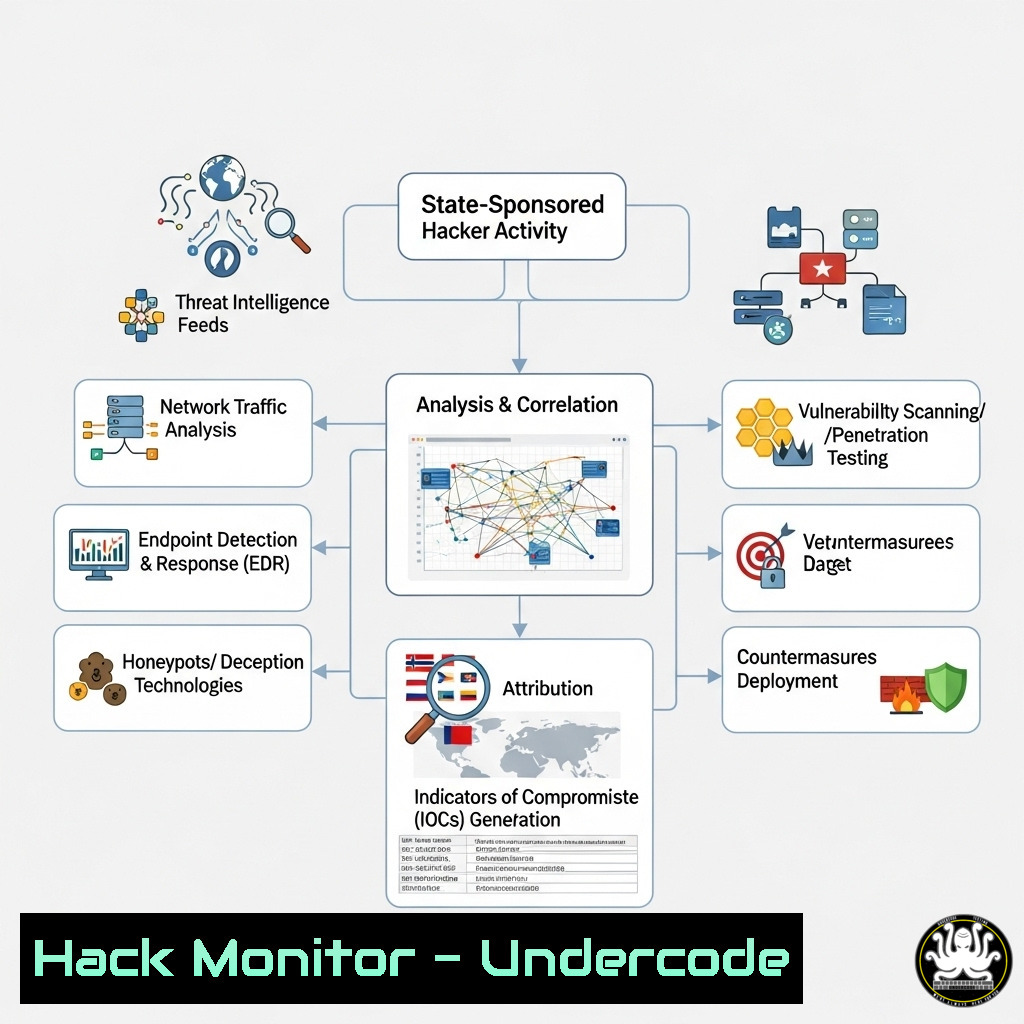
Introduction:
A seven-year-old critical remote code execution vulnerability in Cisco’s Smart Install Client (CVE-2018-0171) remains a potent weapon in the arsenal of advanced persistent threats. Russian state-sponsored actor “Static Tundra” is actively exploiting this flaw to compromise network infrastructure, steal configurations, and establish footholds, making detection and mitigation a top priority for global defenders. This guide provides the essential commands, log analyses, and detection strategies to identify and eradicate this persistent threat from your environment.
Learning Objectives:
- Understand the mechanics of the CVE-2018-0171 exploit and its associated indicators of compromise (IoCs).
- Implement effective network monitoring and host-based detection for malicious Smart Install protocol activity.
- Develop and deploy custom signatures and scripts to hunt for and mitigate this specific threat actor’s TTPs.
You Should Know:
1. Network Traffic Analysis for Malicious SMI Packets
The exploit involves sending a crafted Smart Install packet to TCP port 4786. Use `tcpdump` to capture and analyze traffic on this critical port.
tcpdump -i any -w si_packet_capture.pcap port 4786
This command captures all traffic on port 4786 (the default Cisco Smart Install port) and writes it to a file for analysis. Inspect the capture file in Wireshark for malformed packets or requests originating from unexpected external IP addresses, which is a primary indicator of exploitation attempts.
2. Identifying Unauthorized Configuration Changes
Attackers use the exploit to download the running configuration. Monitor for unexpected `copy` commands or file changes.
show archive log config all
This Cisco IOS command displays the history of configuration changes. Look for recent `copy running-config` or `copy startup-config` commands executed via the `tftp:` or `scp:` options that were not initiated by an administrator, as this is a key objective of the attackers.
3. YARA Rule for Memory Scraping Artifacts
Static Tundra has been known to drop tools that scrape memory for credentials. Create a YARA rule to hunt for these utilities.
rule memory_scraper_indicators {
meta:
description = "Hunts for common memory scraping tool artifacts"
author = "ThreatHunter"
strings:
$a = "CreateToolhelp32Snapshot" wide ascii
$b = "OpenProcess" wide ascii
$c = "ReadProcessMemory" wide ascii
condition:
all of them
}
This rule scans for Windows API functions commonly used in credential dumping and memory scraping tools. Compile and run it against your endpoints using a scanner like Thor Lite or Velociraptor to identify potential malicious binaries.
4. Splunk Query for Failed Login Attempts Post-Exploit
Following initial access, attackers often attempt lateral movement via brute force. This Splunk query detects patterns.
index=windows EventCode=4625
| bucket span=5m _time
| stats dc(ip) as unique_ips, count as failed_attempts by host, _time
| where unique_ips > 3 AND failed_attempts > 10
This query searches for Windows security event logs (Event ID 4625) for failed logins. It groups them into 5-minute buckets and flags hosts that have seen more than 10 failed attempts from more than 3 unique IP addresses in that window, which could indicate automated brute-forcing activity.
5. Zeek (Bro) Script for SMI Protocol Anomalies
Leverage Zeek’s network analysis framework to detect anomalous SMI traffic.
module SMI;
export {
redef enum Log::ID += { LOG };
type Info: record {
ts: time &log;
uid: string &log;
id: conn_id &log;
command: string &log;
};
}
event smi_command(c: connection, command: string) {
Log::write(LOG, [$ts=network_time(), $uid=c$uid, $id=c$id, $command=command]);
if (command != "valid_command_1" && command != "valid_command_2") {
NOTICE([$note=SMI::AnomalousCommand, $conn=c, $msg=fmt("Anomalous SMI command: %s", command)]);
}
}
This Zeek script defines a custom log for SMI commands and generates a notice for any command that does not match a whitelist of expected commands. Deploy this on a network monitor to catch exploit attempts in real-time.
6. Hunting for Persistence via IIS Web Shells
The group deploys web shells on compromised IIS servers for persistence. Hunt for anomalous ASPX files.
Get-ChildItem -Path C:\inetpub\wwwroot\ -Recurse -Filter .aspx | Get-FileHash | Export-Csv -Path iis_hashes.csv -NoTypeInformation
This PowerShell command recursively hashes all `.aspx` files in the default web root. Compare the resulting hashes (e.g., using `Compare-Object` in PS) against a known-good baseline to identify newly dropped or modified web shell files that grant the attacker persistent access.
- Cisco IOS Command to Check Smart Install Status
The first step in mitigation is identifying vulnerable clients on your network.show vstack config | include Role
Execute this command on Cisco IOS devices to check if the Smart Install Client feature is active. If the output returns
Role: Client, the device is potentially vulnerable and should be patched or have the feature disabled immediately if it is not needed.
What Undercode Say:
- Legacy Vulnerabilities Are the Perfect APT Bait: State-sponsored actors meticulously target old, unpatched vulnerabilities because they offer a high probability of success with low risk of detection, as many organizations deprioritize patching on network infrastructure.
- Detection Overrides Complacency: This campaign is a stark reminder that a “set-it-and-forget-it” approach to network devices is untenable. Continuous security monitoring and log collection for devices like switches and routers are no longer optional but critical.
The ongoing exploitation of CVE-2018-0171 by Static Tundra is a masterclass in attacker efficiency. It demonstrates that APTs will consistently take the path of least resistance, which often leads them to forgotten, end-of-life, and unpatched systems deep within a network’s infrastructure. The technical guidance provided by Splunk and others is not just about detecting one flaw; it’s a blueprint for building a defensive posture that assumes critical vulnerabilities will be missed and that determined adversaries will find them. The key is not just to patch, but to build a visibility layer that can catch the exploitation of the vulnerabilities you don’t even know you have.
Prediction:
The success of Static Tundra’s campaign will cement the strategy of targeting neglected network infrastructure in the APT playbook for the next decade. We predict a significant rise in attacks targeting firmware and embedded systems in routers, switches, and IoT devices, as they often lack advanced EDR-like protections and centralized logging. This will force a paradigm shift in cybersecurity, where network device hardening, firmware integrity monitoring, and network traffic analysis will become as fundamental as endpoint security, leading to the rise of new specialized security platforms focused exclusively on network infrastructure protection.
🎯Let’s Practice For Free:
IT/Security Reporter URL:
Reported By: Michaelahaag Static – Hackers Feeds
Extra Hub: Undercode MoN
Basic Verification: Pass ✅


