
Listen to this Post
Introduction:
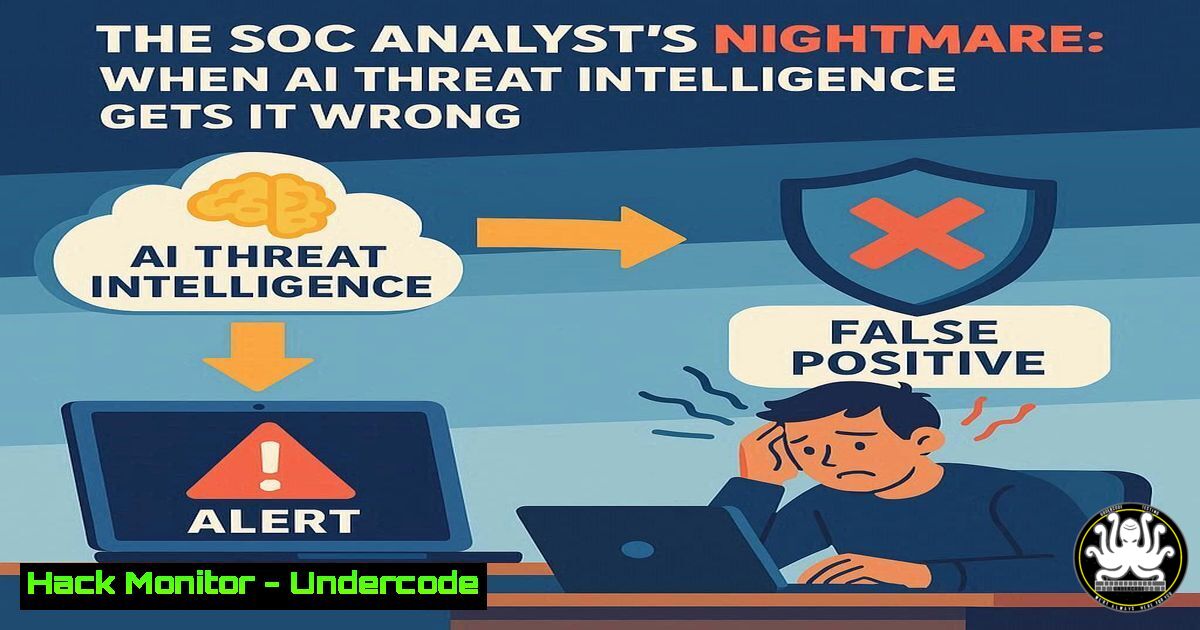
A recent case study involving a home SIEM detecting a TOR exit node from a university IP highlights the growing use of AI tools for cybersecurity investigations. While AI can rapidly aggregate threat intelligence, this incident reveals critical limitations in relying solely on automated risk assessments for security decision-making.
Learning Objectives:
- Understand how to properly investigate TOR exit nodes and suspicious IP addresses
- Learn essential commands for threat intelligence gathering and network forensics
- Develop critical evaluation skills for AI-generated security assessments
You Should Know:
1. Investigating Suspicious IP Addresses with Command-Line Tools
whois 129.97.0.0/16
curl -s "https://api.abuseipdb.com/api/v2/check?ipAddress=129.97.XXX.XXX" -H "Key: YOUR_API_KEY" | jq
dig -x 129.97.XXX.XXX
nslookup 129.97.XXX.XXX
Step-by-step guide: The `whois` command provides registration details showing the IP belongs to University of Waterloo. AbuseIPDB API check reveals if the IP is listed in threat feeds. DNS lookups help identify associated domains and verify institutional ownership.
2. TOR Exit Node Identification and Analysis
curl -s "https://check.torproject.org/exit-addresses" | grep "129.97."
tor --list-exit-nodes | grep -i "waterloo"
ps aux | grep tor
netstat -tulpn | grep ":9001|:9030"
Step-by-step guide: These commands check if an IP is currently listed as a TOR exit node, monitor for TOR processes running on local systems, and identify TOR-related network connections that might indicate unauthorized exit nodes.
3. Network Traffic Analysis and Blocking
tcpdump -i any host 129.97.XXX.XXX -w capture.pcap
tshark -r capture.pcap -Y "ip.addr==129.97.XXX.XXX"
iptables -A INPUT -s 129.97.XXX.XXX -j DROP
ufw deny from 129.97.XXX.XXX
netsh advfirewall firewall add rule name="Block TOR Exit" dir=in action=block remoteip=129.97.XXX.XXX
Step-by-step guide: Capture and analyze traffic from suspicious IPs using tcpdump and Wireshark. Implement immediate blocking rules using iptables, UFW, or Windows Firewall to prevent potential data exfiltration.
4. SIEM Alert Configuration and Automation
 Splunk search for TOR traffic
index=network dest_ip=129.97. OR src_ip=129.97. | stats count by src_ip, dest_ip, action
 Elasticsearch query
GET /network-_search?q=destination.ip:"129.97." AND tags:"tor_exit_node"
 Sigma rule for TOR detection
title: TOR Exit Node Communication
logsource:
category: firewall
detection:
selection:
dst_ip:
- "https://check.torproject.org/torbulkexitlist"
action: allowed
condition: selection
Step-by-step guide: Configure automated detection for TOR exit node communications using SIEM queries and Sigma rules. These searches identify allowed connections to known TOR nodes and generate real-time alerts.
5. Comprehensive Threat Intelligence Gathering
 Malware information sharing
misp-cli event --search "129.97.XXX.XXX"
virustotal-api -k YOUR_API_KEY -i 129.97.XXX.XXX
shodan host 129.97.XXX.XXX
censys search "ip:129.97.XXX.XXX" | jq '.results[] | {services, location}'
curl -s "https://api.shodan.io/shodan/host/129.97.XXX.XXX?key=YOUR_API_KEY"
Step-by-step guide: Leverage multiple threat intelligence platforms to gather comprehensive data about suspicious IPs. Cross-reference findings across VirusTotal, Shodan, Censys, and MISP for accurate assessment.
6. AI Tool Validation and Verification
Timestamp verification
date -u +"%Y-%m-%dT%H:%M:%SZ"
curl -s "https://archive.org/wayback/available?url=waterloo.ca×tamp=20230101"
Source credibility scoring
python3 -c "
import requests
from datetime import datetime
response = requests.get('https://api.waterloo.ca/ipinfo/129.97.XXX.XXX')
print(f'Last Modified: {response.headers.get("Last-Modified")}')
print(f'Status: {response.status_code}')"
Step-by-step guide: Verify AI-generated information by checking timestamps, source credibility, and cross-referencing with official sources. Always validate automated assessments with manual investigation.
7. Incident Response and Documentation
 Log collection and preservation
journalctl --since "2024-01-01 00:00:00" --until "2024-01-02 00:00:00" > system_logs.txt
auditctl -w /etc/passwd -p wa -k user_account_changes
strings /var/log/suricata/eve.json | grep -i "129.97"
 Forensic timeline creation
log2timeline.py --parsers "linux,windows" case.plaso /evidence/
psort.py -o dynamic --fields "timestamp,message" case.plaso > timeline.csv
Step-by-step guide: Properly document incidents by collecting system logs, configuring audit rules, and creating forensic timelines. This ensures comprehensive investigation and legal compliance.
What Undercode Say:
- AI threat intelligence tools provide rapid data aggregation but lack contextual understanding
- Automated risk assessments cannot replace human analytical judgment
- Security decisions based solely on AI recommendations create significant organizational risk
- The timeliness and accuracy of AI-sourced information requires constant validation
The Perplexity AI incident demonstrates that while AI tools excel at aggregating information from multiple sources, they fundamentally lack the contextual understanding required for accurate threat assessment. The tool correctly identified the TOR exit node and university affiliation but failed to recognize the security implications of an educational institution hosting an open proxy. This case underscores that AI should augment, not replace, human security analysis. The real danger lies in organizations blindly trusting AI-generated risk scores without understanding the underlying data freshness, source credibility, and contextual relevance.
Prediction:
Within two years, over-reliance on AI threat intelligence will lead to significant security incidents as organizations automate blocking decisions based on incomplete or outdated AI assessments. Regulatory bodies will implement strict guidelines for AI usage in SOC environments, requiring human validation of all automated security actions. The cybersecurity insurance industry will begin excluding coverage for incidents where AI tools were used without proper oversight, creating financial incentives for balanced human-AI security operations.
🎯Let’s Practice For Free:
IT/Security Reporter URL:
Reported By: Nir Roitman – Hackers Feeds
Extra Hub: Undercode MoN
Basic Verification: Pass ✅


