Listen to this Post
Introduction:
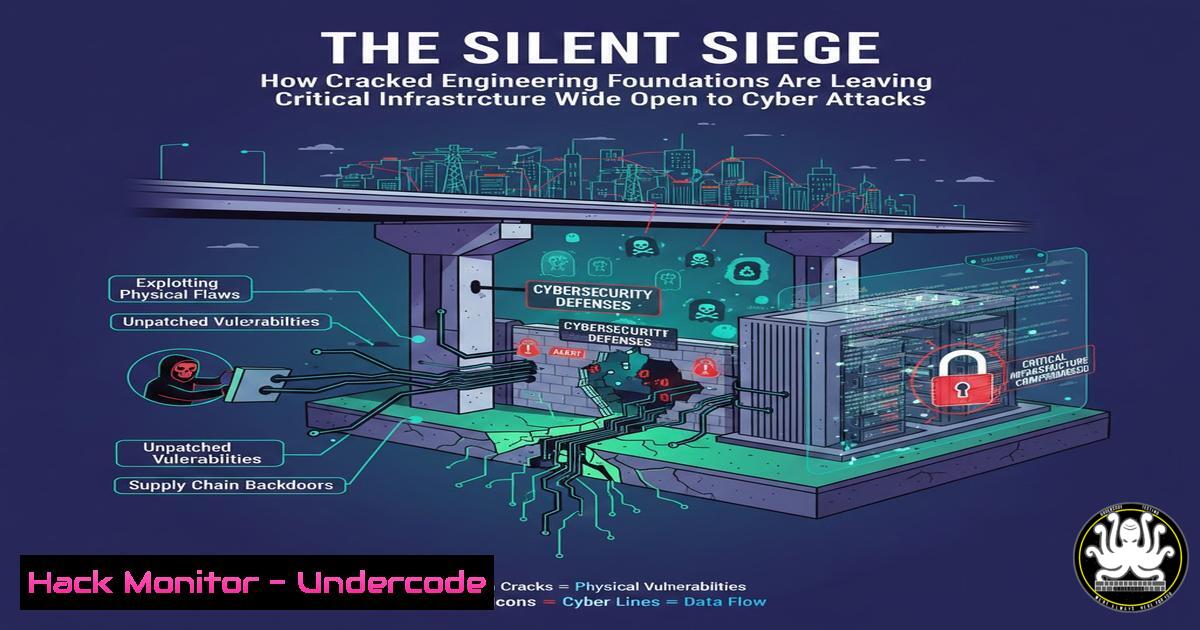
While public attention fixates on ransomware and sophisticated nation-state campaigns, a more insidious threat is eroding the security of Operational Technology (OT) and Industrial Control Systems (ICS). This threat isn’t a zero-day exploit, but the systemic decay of engineering discipline within industrial environments. The convergence of outdated configurations, undocumented logic, and operational blind spots creates a silent pathway for adversaries to compromise the physical processes that underpin our critical infrastructure, from power grids to water treatment plants.
Learning Objectives:
- Identify the five most common engineering-centric vulnerabilities in OT/ICS environments.
- Implement practical steps for establishing rigorous configuration and firmware discipline.
- Deploy continuous visibility and monitoring techniques that move beyond annual compliance audits.
You Should Know:
- The Inventory & SBOM Imperative: From Blind Spots to Clear Sight
You cannot secure what you do not know exists. A real, dynamic asset inventory is the non-negotiable bedrock of OT security. This goes beyond a spreadsheet to include all Programmable Logic Controllers (PLCs), Human-Machine Interfaces (HMIs), sensors, drives, and even engineering workstations. Complementing this with a Software Bill of Materials (SBOM) for control system software reveals hidden dependencies and vulnerable components.
Step-by-Step Guide:
- Segment the Network: Isolate a portion of the OT network for scanning. Use a passive monitoring tool like Wireshark with OT protocol dissectors (e.g., for MODBUS, DNP3, S7comm) to listen to traffic and identify communicating assets without disrupting operations.
On a Linux-based monitoring host with mirrored/SPAN port access
tcpdump -i eth0 -w ot_capture.pcap
Later, analyze with Wireshark or use a tool like pcap2json for automated parsing.
- Deploy an OT-Aware Asset Discovery Tool: Use tools like runZero, Clarity (by Nozomi Networks), or Tenable.ot that can safely interrogate assets using OT protocols.
- Generate and Maintain SBOMs: For any Windows-based engineering workstation or HMI, use command-line tools to inventory software. Integrate this into your change management process.
Windows PowerShell: Get a list of installed software
Get-WmiObject -Class Win32_Product | Select-Object Name, Version, Vendor | Export-Csv -Path C:\inventory\software.csv -NoTypeInformation
- Establish a Change-Driven Update Process: Any new device, firmware update, or spare part replacement must trigger an update to the inventory and SBOM.
-
Rigorous Configuration & Firmware Discipline: Eliminating “Default” as a Setting
Outdated configurations and default credentials are the “keys under the doormat” for attackers. Vendor devices often ship with well-known defaults, and firmware updates are frequently deferred due to fear of operational disruption, leaving known vulnerabilities unpatched.
Step-by-Step Guide:
- Baseline Secure Configurations: Document and enforce a secure configuration baseline for each asset class (e.g., PLCs, network switches). This includes changing default passwords, disabling unused services, and setting appropriate access controls.
- Implement Configuration Management: Use automation to track changes. For network devices, consider using tools like Oxidized or RANCID to pull and version configuration files.
Example cron job to pull configs via SSH
0 2    /usr/bin/sshpass -p 'securePassword' ssh admin@plc-gateway "show running-config" > /backup/configs/plc-gateway-$(date +\%Y\%m\%d).cfg
3. Create a Firmware Management Lifecycle:
Inventory: List all devices and their current firmware versions.
Monitor: Subscribe to vendor security advisories (CISA ICS-CERT is essential).
Test: Establish a sandboxed OT environment identical to production to test firmware updates.
Patch: Develop and follow a detailed roll-out and roll-back procedure for production updates.
- Uplifting Engineering Competence: From Tribal Knowledge to Documented Protocol
Over-reliance on vendor “tribal knowledge” and overstretched engineers creates fragility. Security checks can become rubber-stamp signatures if the underlying engineering principles are not understood.
Step-by-Step Guide:
- Demand and Create Documentation: For every system, require and maintain up-to-date: P&IDs (Piping & Instrumentation Diagrams), network topology diagrams, control logic (ladder logic/function block diagrams), and interlock descriptions.
- Implement Peer-Review for Changes: No control logic change or network configuration adjustment should go live without a formal peer-review process, just as in IT code deployments.
- Develop OT-Specific Security Training: Move beyond generic cybersecurity awareness. Train engineers on:
Secure coding practices for PLCs (e.g., input validation, fault handling).
Recognizing social engineering tactics targeting operators.
The physical security implications of cyber changes.
- Securing the Supply Chain: Vetting Every Laptop, USB, and “Replacement Spare”
The “sacred OEM laptop” or a replacement drive with embedded malware is a classic intrusion vector. Blind trust in vendor-supplied hardware or untested spare parts can bypass all network defenses.
Step-by-Step Guide:
- Establish a Quarantine and Inspection Zone: All new devices, spare parts, and vendor media must enter through a controlled station.
- Inspect Vendor Hardware: Before granting network access, perform a basic inspection.
On a Windows Quarantine Station, check for known suspicious auto-run files or recently installed software Get-CimInstance Win32_LogicalDisk | Where-Object {$<em>.DriveType -eq 2} | ForEach-Object { Get-ChildItem -Path ($</em>.DeviceID + "\") -Force -Include .inf, autorun.inf -Recurse -ErrorAction SilentlyContinue } - Implement Application Whitelisting: On critical engineering workstations and HMIs, use tools like Windows Defender Application Control to only allow execution of pre-authorized software, preventing malware from vendor USBs from running.
-
Continuous OT Visibility: Replacing Annual Audits with Real-Time Monitoring
Annual or quarterly audits provide only a snapshot. Attackers operate in the gaps between these snapshots. Continuous technical monitoring is required to detect anomalous behavior indicative of an intrusion or malfunction.
Step-by-Step Guide:
- Deploy Passive Network Monitoring Sensors: Place taps or SPAN ports on key OT network segments. Use a dedicated appliance or server to run monitoring software.
- Implement Anomaly Detection Rules: Go beyond signature-based IDS. Establish baselines of normal OT traffic (e.g., which PLC talks to which HMI, on what port, with what frequency) and alert on deviations.
Pseudo-code example for a simple Python-based monitor using Scapy (for concept) from scapy.all import sniff Define expected MODBUS master-slave pairs expected_pairs = [("10.0.10.1", "10.0.10.10")] def packet_callback(pkt): if pkt.haslayer('TCP') and pkt.dport == 502: MODBUS port src_dst = (pkt['IP'].src, pkt['IP'].dst) if src_dst not in expected_pairs: alert(f"Unexpected MODBUS comms: {src_dst}") sniff(filter="tcp port 502", prn=packet_callback, store=0) - Integrate with a SIEM/SOAR: Forward alerts and metadata to a Security Information and Event Management system where they can be correlated with IT security events for a holistic view.
What Undercode Say:
The Adversary’s Playbook is in Your Procedures: Attackers are not always breaking in; they are walking in through gaps created by weak change management, poor documentation, and deferred maintenance. Your operational procedures, or lack thereof, are their primary intelligence source.
Resilience Overrides Perfection: In OT, availability and safety are paramount. The goal is not a perfectly impenetrable system but a resilient one that can detect anomalies, contain incidents, and fail safely. Security controls must be designed with this operational reality in mind.
Analysis:
The post correctly frames OT security as an engineering integrity problem first and a cybersecurity problem second. The most sophisticated IT security overlay will fail if the underlying industrial network is built on undocumented, outdated, and fragile foundations. The call to action is not for more advanced tools, but for a return to rigorous engineering discipline—inventory, configuration management, and continuous monitoring—applied through an OT-specific lens. This shift from project-based compliance to operational security hygiene is what will close the silent pathways attackers currently exploit. The future of critical infrastructure defense depends on this convergence of cyber and engineering expertise.
Prediction:
In the next 3-5 years, we will witness a significant increase in OT-targeted attacks that leverage these “cracked foundations” rather than flashy zero-days. Regulatory bodies will move beyond recommending to mandating SBOMs, continuous monitoring, and configuration baselines for critical infrastructure operators, similar to the evolution seen in frameworks like NERC CIP. The organizations that survive these attacks with minimal impact will not be those with the biggest security budget, but those that successfully integrated cybersecurity principles into the core of their engineering and maintenance cultures, treating operational integrity and security as one inseparable mandate.
▶️ Related Video (76% Match):
🎯Let’s Practice For Free:
IT/Security Reporter URL:
Reported By: Https: – Hackers Feeds
Extra Hub: Undercode MoN
Basic Verification: Pass ✅


