Listen to this Post
Introduction:
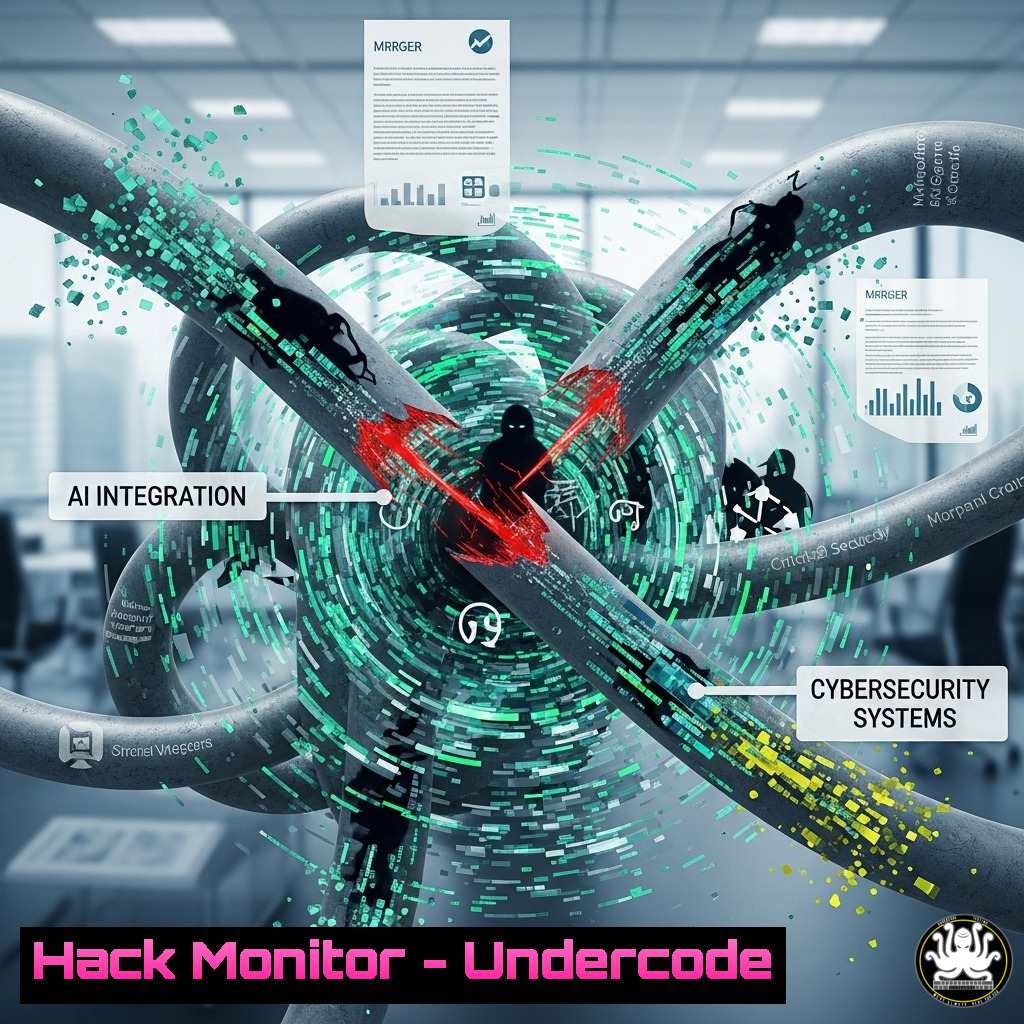
In the high-stakes world of mergers and acquisitions, the focus is often on financials and culture, while the underlying data architecture is dangerously overlooked. A fractured data flow doesn’t just cripple analytics; it creates critical security gaps and renders AI initiatives dead on arrival. This article dissects the technical integration failures that derail M&A value and provides the actionable commands to build a secure, connected data foundation.
Learning Objectives:
- Identify and remediate common data flow vulnerabilities exposed during system integration.
- Implement commands to audit, secure, and connect disparate data sources across Linux and Windows environments.
- Establish a hardened data pipeline capable of supporting AI and automation workloads securely.
You Should Know:
1. Auditing Cross-Domain Data Flows with `tcpdump`
A post-merger network is a tangled web of unknown traffic. The `tcpdump` packet analyzer is essential for mapping and verifying data flows to identify unauthorized connections or data exfiltration points.
Step‑by‑step guide:
`sudo tcpdump -i any -w mna_audit.pcap host 192.168.1.100 and port 443`
This command captures all traffic to and from the critical server at 192.168.1.100 on port 443 (HTTPS). Analyze the resulting `mna_audit.pcap` file in Wireshark to visualize connections, identify unexpected hosts, and inspect for unencrypted data transfers. Regular audits post-integration are crucial for maintaining visibility.
2. Inventorying Disparate Linux Assets with `ansible`
Gaining immediate configuration control over a newly acquired fleet of Linux servers is paramount. Ansible provides agentless command execution to establish a baseline.
Step‑by‑step guide:
`ansible all -i ‘server1,server2,’ -m setup –tree ./inventory_output/`
This command uses the `setup` module to gather a detailed fact inventory (OS version, disk, memory, network) from the listed servers. The `–tree` option saves individual JSON files for each host in the specified directory, allowing for rapid analysis of system heterogeneity and misconfigurations.
3. Validating Windows Server Integration via `PowerShell`
Ensuring newly integrated Windows servers can communicate with domain controllers and core services is a first step. PowerShell remoting lets you execute commands across the new estate.
Step‑by‑step guide:
`Invoke-Command -ComputerName ServerA, ServerB -ScriptBlock {Test-NetConnection -ComputerName DC01 -Port 389}`
This script tests LDAP connectivity from the acquired servers (ServerA, ServerB) to the domain controller (DC01). Consistent failures indicate network segmentation or firewall issues that must be resolved before domain integration can proceed.
4. Hardening Database Connectivity Strings
Application connection strings embedded in config files are a common source of credential leakage post-merger. Use `grep` to find and audit them.
Step‑by‑step guide:
`find /appdir -name “.config” -exec grep -l “ConnectionString” {} \;`
This `find` command locates all config files within the `/appdir` directory that contain the phrase “ConnectionString”. Each discovered file must be reviewed to ensure it uses integrated authentication or references a secure vault, not plaintext credentials.
5. Securing API Data Endpoints with `curl`
Post-merger, internal APIs are often exposed to new, untrusted networks. Probing them reveals authentication and data exposure flaws.
Step‑by‑step guide:
`curl -v -H “Authorization: Bearer
The `-v` flag shows verbose output, including the HTTP response code. The `jq` utility parses the JSON response. A 200 OK on a sensitive endpoint without valid tokens indicates broken object-level authorization. A 401 Unauthorized confirms the security header is being validated.
6. Automating Cloud Storage Bucket Audits with `awscli`
Acquired companies often have poorly configured cloud assets. Misconfigured S3 buckets are a prime source of data leakage.
Step‑by‑step guide:
aws s3api get-bucket-acl --bucket acquired-bucket-name --query 'Grants[?Grantee.URI==http://acs.amazonaws.com/groups/global/AllUsers`]’`
This command checks the access control list (ACL) of the specified S3 bucket for any grant that applies to `AllUsers` (i.e., the public internet). Any output indicates a critical misconfiguration that must be remediated immediately.
7. Building Integrated Data Quality Checks with `SQL`
AI models are garbage-in-garbage-out. A simple SQL quality check run against a merged database can prevent project failure.
Step‑by‑step guide:
`SELECT column_name, COUNT(), SUM(CASE WHEN value IS NULL THEN 1 ELSE 0 END) as null_count FROM acquired_table GROUP BY column_name;`
This analytic query profiles a critical table from the acquired company. It returns the count of records per group and the number of NULL values for each column, highlighting data completeness and consistency issues that must be resolved before feeding data to an AI model.
What Undercode Say:
- Data Flow is the New Attack Surface: M&A integration doesn’t just create a new network; it creates a new, poorly understood attack surface. Every unverified data pipeline is a potential breach point.
- AI Readiness is a Security Metric: The inability to cleanly and securely integrate data is the primary indicator that an organization is not prepared for advanced technologies, making it a key due diligence metric.
The technical debt accrued from delayed data integration is not just an operational cost but a direct cybersecurity threat. The “on-paper” integration Christian Fastenrath describes is a facade that attackers can easily exploit. The commands outlined are not merely administrative; they are the first line of defense in validating the security posture of a newly formed digital entity. The race to generate value from AI post-merger cannot be won if the foundational data wiring is faulty and insecure.
Prediction:
The next major wave of cyber incidents will stem from M&A activity, where rushed digital integrations leave gaping security holes in data pipelines. We will see a rise in targeted attacks specifically designed to exploit the chaos of merged networks, leading to massive data exfiltration from what were believed to be segregated systems. This will force regulators to mandate stricter cybersecurity and data architecture audits as a compulsory component of merger approval processes.
🎯Let’s Practice For Free:
IT/Security Reporter URL:
Reported By: Christian Fastenrath – Hackers Feeds
Extra Hub: Undercode MoN
Basic Verification: Pass ✅


