Listen to this Post
Introduction:
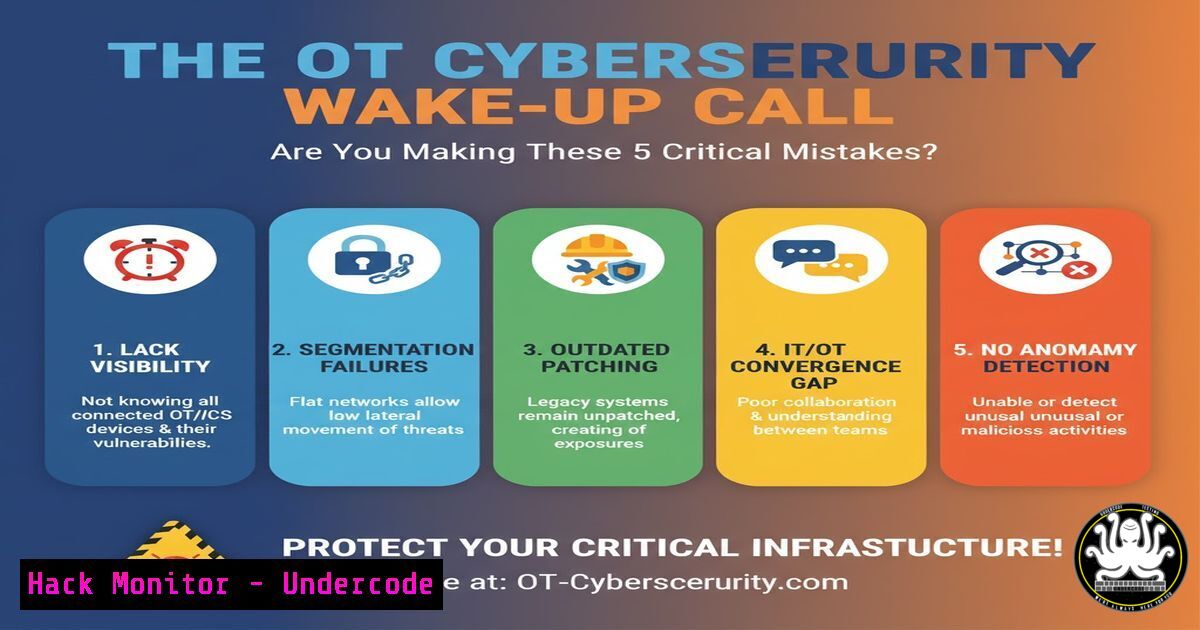
Operational Technology (OT) environments, which control our critical infrastructure and industrial processes, are facing unprecedented cyber threats. The convergence of IT and OT networks has expanded the attack surface, making legacy systems vulnerable to modern cyberattacks. The BASIC framework provides a foundational strategy to secure these vital systems against escalating risks.
Learning Objectives:
- Understand the five critical pillars of the BASIC OT cybersecurity framework.
- Learn practical, verified commands and techniques to implement each pillar.
- Develop a actionable plan to assess and harden your own OT environment.
You Should Know:
1. B – BackUp & Recovery
A robust backup strategy is your last line of defense. In OT, this goes beyond data to include controller logic, configuration files, and historical operational data.
Verified Commands & Techniques:
Windows (Using WBAdmin for System State):
`wbadmin start systemstatebackup -backupTarget:E:`
This command creates a backup of the system state, crucial for restoring a compromised engineering workstation.
Linux (Using `tar` for Configuration Backups):
`tar -czvf /opt/backups/plc_config_backup_$(date +%Y%m%d).tar.gz /opt/automation/plc_configs/`
Creates a compressed archive of PLC configuration directories with a date stamp for versioning.
Vendor-Specific (Rockwell Automation):
Use RSLogix 5000’s built-in export function to save `.L5X` files, which are XML representations of controller logic, allowing for version control and recovery.
Step‑by‑step guide:
- Identify all critical assets: engineering workstations, HMI servers, PLCs, and their configuration storage locations.
- Establish a regular, automated backup schedule (e.g., daily for critical changes, weekly full).
- Use the `tar` or `wbadmin` commands to script these backups.
- Store backups on a separate, segmented network or an air-gapped system to protect them from ransomware.
- Regularly test restoration procedures in a sandboxed environment to ensure recoverability.
2. A – Asset Management
You cannot secure what you do not know. A comprehensive and continuously updated asset inventory is the cornerstone of OT security.
Verified Commands & Techniques:
Network Scanning (Nmap – Non-Intrusive):
`nmap -sU -p 161,44818 –script snmp-brute 10.10.10.0/24`
This cautiously attempts to discover PLCs and other devices using SNMP on common OT ports. WARNING: Always test in a lab first, as aggressive scanning can disrupt sensitive equipment.
Passive Monitoring (Tshark for Traffic Analysis):
`tshark -i eth0 -Y “cip” -T fields -e ip.src -e ip.dst -e cip.identity`
Captures and displays Common Industrial Protocol (CIP) packets, revealing the IP addresses and identities of Allen-Bradley devices on the network.
Cloud Asset Inventory (AWS CLI):
`aws iot list-things –region us-east-1`
Lists all IoT “things” registered in an AWS IoT Core account, helping manage cloud-connected OT assets.
Step‑by‑step guide:
- Deploy a passive network monitoring tool or use `tshark` to create a baseline of network traffic without disrupting operations.
- Conduct carefully scheduled and approved active scans using `nmap` with OT-specific scripts to fill inventory gaps.
- Consolidate discovered assets into a CMDB or specialized OT asset management platform.
- Enrich asset records with details like model, firmware version, and criticality.
- Integrate asset data with your vulnerability management and network segmentation projects.
3. S – Secure Network Architecture
A defensible network architecture, built on segmentation and strict access control, is essential to contain breaches and block lateral movement.
Verified Commands & Techniques:
Cisco IOS (Segmenting a Network):
`interface GigabitEthernet0/1
switchport mode access
switchport access vlan 110
switchport voice vlan 210`
Configures a switch port for an OT device, placing it in a specific data VLAN (110) and, if needed, a separate voice VLAN (210).
Windows Firewall (Blocking Unnecessary Ports):
`New-NetFirewallRule -DisplayName “Block Modbus TCP” -Direction Inbound -Protocol TCP -LocalPort 502 -Action Block`
This PowerShell command creates a Windows Firewall rule to block inbound Modbus TCP traffic on port 502.
Linux iptables (Isolating a Segment):
`iptables -A FORWARD -i eth1 -o eth0 -j DROP`
Prevents traffic from the OT network (connected to eth1) from reaching the corporate IT network (connected to eth0).
Step‑by‑step guide:
- Map your current OT network topology, identifying all connections between IT and OT (the “Purdue Model” levels).
- Design a segmented architecture using VLANs and firewalls. Implement an industrial demilitarized zone (IDMZ) to control IT-OT data flow.
- Use the Cisco IOS and firewall commands above to enforce these segmentation policies on network devices and hosts.
- Harden network infrastructure devices by disabling unused ports and services and using strong authentication.
- Monitor and log all traffic crossing segmentation boundaries for anomalous activity.
4. I – Incident Response Planning
A failure to plan is a plan for failure. OT incidents require a specialized response plan that prioritizes human safety and process integrity over data confidentiality.
Verified Commands & Techniques:
Forensic Triage (FTImager):
While GUI-based, FTImager is used via command line for scripting: `ftimager.exe \\.\C: E:\Evidence\Workstation1 EVIDENCE –e01`
Creates a forensically sound image of the C: drive for offline analysis.
Memory Acquisition (WinPmem):
`winpmem_minimal_x64_rc2.exe -o memory.raw`
Acquires a physical memory dump from a Windows system, which can contain evidence of malware and running processes.
Log Consolidation (Linux `rsyslog`):
`. @@10.10.20.50:514`
A line in `/etc/rsyslog.conf` that forwards all system logs to a central SIEM server at 10.10.20.50 for correlation and analysis.
Step‑by‑step guide:
- Develop a plan with clear roles, communication protocols, and decision trees for common OT scenarios (e.g., ransomware on an HMI).
- Pre-stage forensic toolkits (like FTImager and WinPmem) on secure, portable media.
- Configure all critical OT assets (
rsyslogon Linux, Windows Event Forwarding) to send logs to a secure, central location. - Conduct tabletop exercises simulating attacks to test the plan and team readiness.
- Establish relationships with key stakeholders (operations, safety, legal, PR) before an incident occurs.
5. C – Continuous Vulnerability Management
OT systems are rife with unpatched vulnerabilities. A continuous process of identifying, prioritizing, and remediating weaknesses is non-negotiable.
Verified Commands & Techniques:
Vulnerability Scanning (Nexpose/Nmap NSE):
`nmap -sV –script vulners -p 80,443,44818,102 10.10.10.50`
Uses the `vulners` NSE script to check for known vulnerabilities on open services of an OT asset.
Patch Management (Windows WSUS):
`Get-WsusServer | Get-WsusComputer | Get-WsusUpdate -Approval Any -Status Any | where {$_.Update. -like “Win10”}`
This PowerShell command queries a WSUS server for all updates related to Windows 10, helping manage the patching process.
Compensating Control (Windows AppLocker):
`Get-AppLockerPolicy -Local | Test-AppLockerPolicy -UserName “OT\User” -Path “C:\temp\malware.exe”`
Tests whether a specific file path would be allowed or blocked by the current AppLocker policy, a key mitigation for unpatched systems.
Step‑by‑step guide:
- Subscribe to OT-specific vulnerability feeds from CISA ICS-CERT and vendors.
- Perform regular, credentialed vulnerability scans using OT-aware tools or scripts like the Nmap `vulners` example.
- Risk-rank vulnerabilities based on exploitability, impact on safety/availability, and existence of compensating controls.
- Apply patches in a staged-test-deploy methodology during planned maintenance windows.
- For systems that cannot be patched, implement compensating controls like application whitelisting (AppLocker) and network access control.
What Undercode Say:
- The “BASIC” Framework is a Strategic Imperative, Not a Checklist. Treating these five pillars as a one-time project is a recipe for failure. They represent a continuous cycle of improvement that must be integrated into the operational culture. The common excuses highlighted in the LinkedIn post are symptoms of a missing foundational strategy.
- OT Security Demands a Unique Blend of IT and Engineering Expertise. Success requires professionals who understand both TCP/IP packets and process control loops. The tools and commands must be applied with an intimate knowledge of the physical processes they control; a misconfigured firewall rule can cause a shutdown as effectively as malware.
The analysis from the original post reveals a critical gap between perceived and actual security in OT environments. The offhand comments like “if it gets infected, I’ll just replace the PLC” demonstrate a fundamental misunderstanding of the interconnected risk. A modern cyber-attack rarely destroys hardware; instead, it manipulates logic to cause physical damage, product loss, or long-term operational espionage, making simple replacement an inadequate response. The BASIC framework, promoted by specialists like Mike Holcomb, provides the essential mental model and actionable path to bridge this gap. It moves the conversation from ad-hoc, reactive fixes to a proactive, defensible security posture.
Prediction:
The continued convergence of IT/OT and the rapid adoption of Industrial IoT (IIoT) will exponentially increase the attack surface of critical infrastructure. Nation-state actors will refine OT-specific malware, moving beyond disruptive worms like Industroyer to more subtle, persistent threats designed for sabotage and geopolitical leverage. Ransomware gangs will increasingly pivot to targeting OT, recognizing that the cost of operational downtime provides immense leverage for extortion. Organizations that fail to implement foundational frameworks like BASIC will face not only increased cyber risk but also regulatory penalties and reputational damage as governments worldwide tighten cybersecurity mandates for critical sectors.
🎯Let’s Practice For Free:
IT/Security Reporter URL:
Reported By: UgcPost 7382565447939932160 – Hackers Feeds
Extra Hub: Undercode MoN
Basic Verification: Pass ✅


