Listen to this Post
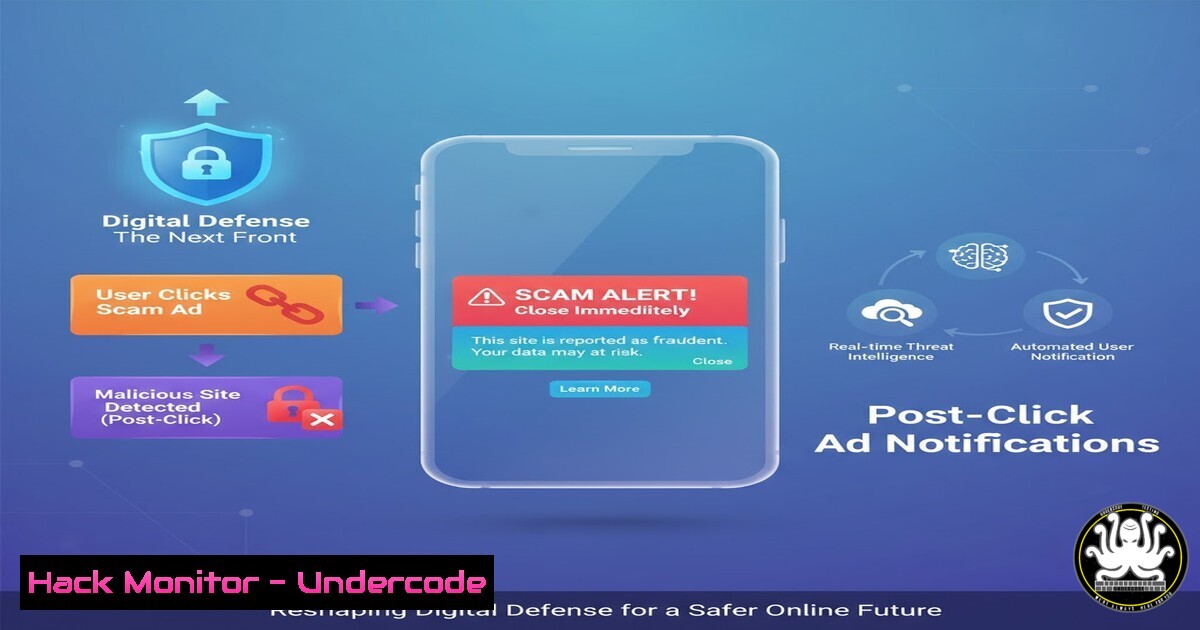
Introduction:
The digital threat landscape is evolving beyond immediate malware attacks to sophisticated, long-term social engineering campaigns. The recent proposal for platforms to notify users who clicked on later-removed fraudulent ads represents a paradigm shift in cybersecurity responsibility, forcing organizations to confront their role in the attack chain and implement more proactive defense mechanisms.
Learning Objectives:
- Understand the technical infrastructure required for post-click scam notification systems
- Master forensic analysis techniques for identifying fraudulent advertisement campaigns
- Implement cross-platform signal sharing to disrupt multi-stage scam operations
You Should Know:
1. Advertisement Click Tracking Database Querying
-- Query to identify users who clicked specific ad campaigns
SELECT user_id, click_timestamp, device_fingerprint, ip_address
FROM ad_clicks
WHERE campaign_id IN (
SELECT campaign_id FROM fraudulent_campaigns
WHERE detection_date > '2024-01-01'
)
AND click_timestamp BETWEEN DATE_SUB(NOW(), INTERVAL 90 DAY) AND NOW();
This SQL query enables security teams to retrospectively identify users exposed to fraudulent advertisements. The query joins click data with later-identified fraudulent campaigns, allowing for historical analysis of user exposure. Security teams should run this daily against their advertising databases, focusing on campaigns flagged as malicious within the past 90 days to balance detection effectiveness with privacy considerations.
2. User Notification System API Implementation
from flask import Flask, request, jsonify
from datetime import datetime, timedelta
import hashlib

@app.route('/api/v1/security/notify-scam-click', methods=['POST'])
def notify_scam_click():
user_id = request.json.get('user_id')
campaign_data = request.json.get('campaign_metadata')

Generate anonymous notification token
notification_token = hashlib.sha256(
f"{user_id}{campaign_data['id']}{datetime.utcnow().timestamp()}".encode()
).hexdigest()

Log notification for compliance
audit_log_notification(user_id, campaign_data, notification_token)

return jsonify({
'status': 'notification_queued',
'token': notification_token,
'user_facing_message': construct_warning_message(campaign_data)
})
This Flask API endpoint handles the secure notification process for users who interacted with malicious ads. The system generates anonymous tokens to track notifications without exposing user identities in logs. Implement rate limiting and authentication to prevent abuse while ensuring the notification service can scale during large-scale scam discoveries.
3. Cross-Platform Threat Intelligence Sharing
!/bin/bash
 Automated threat intelligence sharing script
TIMESTAMP=$(date +%Y%m%d_%H%M%S)
DOMAIN_LIST="fraudulent_domains_$TIMESTAMP.txt"
IP_RANGES="suspicious_ips_$TIMESTAMP.json"

Extract newly identified fraudulent infrastructure
psql -h $DB_HOST -U $DB_USER -d threat_intel -c "
COPY (SELECT DISTINCT domain, ip_address, detection_method
FROM fraudulent_infrastructure
WHERE first_seen > CURRENT_DATE - INTERVAL '24 hours')
TO STDOUT WITH CSV" > $DOMAIN_LIST

Convert to STIX 2.1 format for sharing
python3 convert_to_stix.py $DOMAIN_LIST $IP_RANGES

Upload to trusted intelligence sharing platform
curl -X POST -H "Authorization: Bearer $API_TOKEN" \
-F "file=@$IP_RANGES" \
https://api.threatintelplatform.com/v1/indicators
This automated script facilitates secure sharing of threat intelligence between organizations. It extracts recently identified fraudulent infrastructure from databases, converts it to standardized STIX format, and securely transmits it to sharing platforms. Run this script daily to ensure timely distribution of emerging threat data to partners.
4. Browser-Level Scam Detection Extension
// Content script for detecting known scam patterns
chrome.runtime.onMessage.addListener((request, sender, sendResponse) => {
if (request.action === "checkPageForScamIndicators") {
const pageContent = document.documentElement.innerText;
const detectedPatterns = [];

// Check for crypto scam keywords with context
const cryptoScamPatterns = [
/guaranteed.return.investment/i,
/double.your.crypto/i,
/free.bitcoin.generator/i
];

cryptoScamPatterns.forEach(pattern => {
if (pattern.test(pageContent)) {
detectedPatterns.push(pattern.source);
}
});

// Analyze domain reputation
checkDomainReputation(window.location.hostname).then(reputation => {
if (reputation.score < 0.3 || detectedPatterns.length > 0) {
showWarningBanner(detectedPatterns, reputation);
}
});
}
});
This browser extension content script provides real-time protection against scam content by analyzing page text for known fraud patterns and checking domain reputation. The script runs on all pages and triggers warning banners when high-confidence scam indicators are detected, giving users immediate visibility into potential threats.
5. Digital Forensics and Incident Response Commands
 Analyze browser history for suspicious redirect chains
sqlite3 ~/.config/chromium/Default/History "
SELECT urls.url, visits.visit_time, visits.transition
FROM visits
JOIN urls ON visits.url = urls.id
WHERE urls.url LIKE '%crypto%' OR urls.url LIKE '%investment%'
ORDER BY visits.visit_time DESC
LIMIT 100;"

Extract network activity from process monitoring
sudo netstat -tunap | grep -E '(ESTABLISHED|SYN_SENT)' |
awk '{print $5 " " $7}' |
grep -oE '[0-9]+.[0-9]+.[0-9]+.[0-9]+:[0-9]+' |
sort | uniq -c | sort -nr

Memory analysis for malicious processes
sudo ps aux --sort=-%mem | head -20 |
awk '{if($4 > 5.0) print $2 " " $11 " " $4}'
These digital forensics commands help investigate potential compromise from scam ad interactions. The first command analyzes browser history for suspicious financial-related sites, the second monitors active network connections for beaconing behavior, and the third identifies memory-intensive processes that might indicate malware execution. Run these during incident response to scam campaigns.
6. Cloud Infrastructure Security Hardening
 AWS S3 Bucket Policy to prevent malicious uploads
resource "aws_s3_bucket_policy" "threat_intel_bucket" {
bucket = aws_s_s3_bucket.threat_intel.id

policy = jsonencode({
Version = "2012-10-17"
Statement = [
{
Effect = "Deny"
Principal = ""
Action = "s3:PutObject"
Resource = "${aws_s3_bucket.threat_intel.arn}/"
Condition = {
StringNotEquals = {
"aws:PrincipalAccount" = var.trusted_account_id
}
IpAddress = {
"aws:SourceIp" = var.trusted_ip_ranges
}
}
}
]
})
}

CloudTrail monitoring for suspicious API activity
resource "aws_cloudwatch_event_rule" "suspicious_api_calls" {
name = "suspicious-api-calls"
description = "Capture suspicious API calls indicative of scamming activity"

event_pattern = jsonencode({
source = ["aws.cloudtrail"]
detail-type = ["AWS API Call via CloudTrail"]
detail = {
eventSource = ["s3.amazonaws.com", "iam.amazonaws.com"]
eventName = ["PutBucketPolicy", "AttachUserPolicy", "CreateAccessKey"]
sourceIPAddress = [{ "anything-but": var.trusted_ip_ranges }]
}
})
}
This Terraform configuration hardens cloud infrastructure against abuse by scam operations. The S3 bucket policy restricts uploads to trusted accounts and IP ranges, while the CloudWatch event rule detects suspicious API calls that might indicate infrastructure takeover attempts. Deploy these configurations across all cloud environments handling user data or threat intelligence.
7. Machine Learning Fraud Detection Pipeline
from sklearn.ensemble import RandomForestClassifier
from sklearn.feature_extraction.text import TfidfVectorizer
import pandas as pd

class AdFraudDetector:
def <strong>init</strong>(self):
self.vectorizer = TfidfVectorizer(
max_features=1000,
ngram_range=(1, 2),
stop_words='english'
)
self.classifier = RandomForestClassifier(n_estimators=100)

def extract_features(self, ad_data):
 Text features from ad content
text_features = self.vectorizer.transform(
[ad_data['title'] + ' ' + ad_data['description']]
)

Behavioral features
behavioral_features = [
ad_data['click_through_rate'],
ad_data['conversion_rate'],
ad_data['time_to_conversion']
]

return np.hstack([text_features.toarray(), behavioral_features])

def predict_fraud(self, ad_features):
return self.classifier.predict_proba(ad_features)[:, 1]
This machine learning pipeline detects fraudulent advertisements by analyzing both text content and behavioral patterns. The system combines TF-IDF features from ad text with behavioral metrics like click-through rates to identify campaigns that exhibit scam characteristics. Retrain the model weekly with newly labeled fraudulent campaigns to maintain detection accuracy.
What Undercode Say:
- Platform accountability through post-click notifications creates legal and technical exposure that most organizations are unprepared to handle
- The technical implementation requires massive investment in forensic capabilities that most platforms have deliberately underfunded
- Cross-platform signal sharing faces significant legal and competitive hurdles despite its security benefits
The proposal for post-click scam notifications represents a fundamental shift in how platforms approach security responsibility. While technically feasible, the implementation faces substantial organizational resistance due to liability concerns and resource requirements. The cybersecurity community must develop standardized frameworks for this notification process that balance user protection with platform operational realities. Without industry-wide adoption, the effectiveness will remain limited to early adopters while scammers continue to exploit fragmented defenses across the digital ecosystem.
Prediction:
Within two years, regulatory pressure will force major platforms to implement some form of post-click scam notification, creating a new cybersecurity submarket focused on cross-platform threat intelligence sharing. This will lead to standardized APIs for scam reporting and user protection, but will also trigger sophisticated evasion techniques from threat actors who adapt their campaigns to avoid detection until after financial damage occurs. The long-term impact will be increased platform accountability but also more complex, multi-stage scams that leverage AI-generated content to bypass pattern-based detection systems.
🎯Let’s Practice For Free:
IT/Security Reporter URL:
Reported By: Leathern When – Hackers Feeds
Extra Hub: Undercode MoN
Basic Verification: Pass ✅


