Listen to this Post
Introduction:
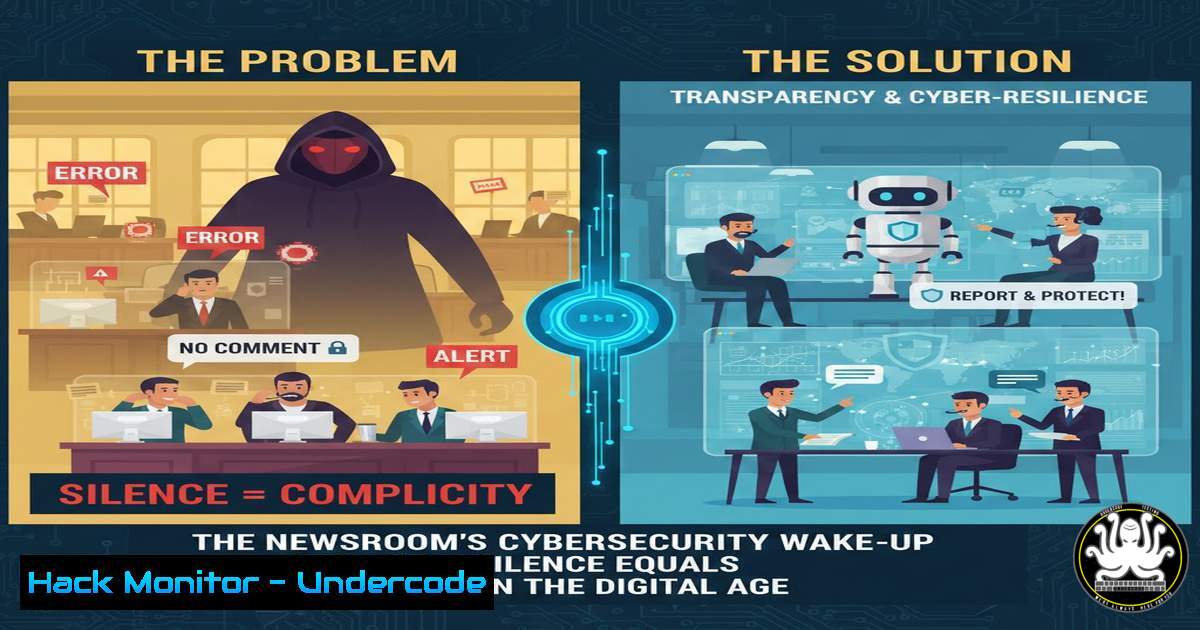
In the wake of recurring cyberattacks that are quickly forgotten by the public, a critical parallel is drawn to ethical silence within organizations. This article argues that cybersecurity is not merely a technical challenge but a profound moral imperative, where the inaction of knowledgeable professionals enables digital tyranny. We will move from philosophical foundations to practical action, providing the technical tools and procedures needed to transform from a passive observer into an active defender.
Learning Objectives:
- Understand the direct link between ethical silence within technical teams and the success of security breaches.
- Learn practical, secure methodologies for internally reporting vulnerabilities and ethical concerns without fear of reprisal.
- Implement technical controls that foster transparency and mitigate the risk of insider threats or complacency.
You Should Know:
1. Establishing Secure and Ethical Reporting Channels
The first step against complicity is creating a safe path for disclosure. This involves setting up encrypted, anonymous channels where employees can report security flaws, unethical practices, or suspicious insider activity without jeopardizing their careers.
Step‑by‑step guide explaining what this does and how to use it.
Concept: Utilize tools that guarantee anonymity and encryption. Internally, this can be a system managed by a third-party ethics hotline service. For technical teams, secure communication for initial, sensitive discussions is key.
Action – Encrypted Communication (PGP): For highly sensitive technical information, use PGP encryption. This ensures that only the intended recipient (e.g., the CISO or head of audit) can read the report.
Linux/macOS (GPG):
- Generate a key pair if you don’t have one: `gpg –full-generate-key`
2. Export your public key to share: `gpg –armor –export [email protected] > public_key.asc`
3. Encrypt a message file for a recipient using their public key: `gpg –encrypt –armor –recipient [email protected] -o report.txt.asc report.txt`
Procedure: Encourage the security team to publish a public PGP key for vulnerability submissions. Reporters should encrypt their findings, including detailed logs and evidence, before transmission via any channel.
2. Technical Vulnerability Disclosure and Documentation
Silence often persists because findings are vague. A well-documented technical report moves an issue from being ignorable to being actionable and trackable.
Step‑by‑step guide explaining what this does and how to use it.
Concept: Create a standardized template for internal bug reports. This structures the discovery and forces a formal review process.
Action – Documenting a Network Vulnerability:
- Discovery: Use a scanner like Nmap to identify the issue. Example command to find hosts with a specific risky port open: `nmap -p 445 –open 192.168.1.0/24`
2. Evidence: Take screenshots or save command output. For the above, save the Nmap results: `nmap -p 445 –open -oN smb_discovery.txt 192.168.1.0/24`
3. Report Template:
Critical – SMBv1 Protocol Enabled on Production Servers.
Asset(s): List of IPs from scan.
Risk: High (Potential for Wormable Exploit – CVE-2017-0144).
Proof of Concept: Attach `smb_discovery.txt`.
Recommended Mitigation: Disable SMBv1, enforce SMBv3 with encryption.
4. Submission: Submit the encrypted report via the established channel.
3. Implementing Zero Trust Principles to Combat Complacency
The traditional “trust but verify” model inside networks allows threats to move freely. Zero Trust (“never trust, always verify”) is a technical framework that minimizes the damage silent or compromised insiders can cause.
Step‑by‑step guide explaining what this does and how to use it.
Concept: Segment the network and enforce strict access controls so that a breach in one area doesn’t lead to total compromise.
Action – Network Micro-Segmentation:
- Identify Critical Assets: Pinpoint servers holding sensitive data (e.g., database servers, finance systems).
- Create Isolation Zones: Use firewall rules to create segments. On a Linux host (using `iptables` as an example), you could drop all non-essential traffic to a DB server:
iptables -A INPUT -p tcp --dport 5432 -s ! 10.0.1.0/24 -j DROP Only allow DB traffic from app subnet
- Enforce Least-Privilege Access: In cloud environments (e.g., AWS), craft precise IAM policies. A policy to allow read-only access to a specific S3 bucket, denying all else, is a practical implementation of limiting power.
-
Proactive Threat Hunting with Endpoint and Log Analysis
Waiting for alerts is passive. Proactively hunting for anomalies in logs and system memory is the technical equivalent of speaking up before an attack fully materializes.
Step‑by‑step guide explaining what this does and how to use it.
Concept: Use system logs and memory forensic tools to look for indicators of compromise (IoCs) that automated tools might miss.
Action – Basic Linux & Windows Log Investigation:
Linux (Systemd-based):
- Check for failed SSH logins, which could indicate brute force attacks: `journalctl _SYSTEMD_UNIT=ssh.service | grep “Failed password”`
2. Look for unusual cron jobs or scheduled tasks: `sudo cat /var/spool/cron/crontabs/`
Windows (PowerShell):
- Query security event logs for multiple failed logons (Event ID 4625): `Get-WinEvent -FilterHashtable @{LogName=’Security’; ID=4625} | Select-Object -First 20`
Memory Analysis (Volatility Framework): For deep investigation, use Volatility to dump process lists from a memory image:volatility -f memory.dump windows.pslist. This can reveal hidden malware processes. -
Hardening Cloud APIs and Preventing Silent Data Exfiltration
APIs are the backbone of modern apps but are often silently exploited. Misconfigured or insecure APIs can lead to massive, undetected data breaches.
Step‑by‑step guide explaining what this does and how to use it.
Concept: Secure APIs by enforcing authentication, rate-limiting, and rigorous logging of all transactions.
Action – Securing an AWS API Gateway:
- Enable AWS X-Ray Tracing: This provides visibility into API performance and errors, helping identify anomalous patterns.
- Implement Usage Plans & API Keys: Attach usage plans with strict rate and quota limits to prevent abuse.
- Log Full Request/Response Data: In API Gateway stages, enable CloudWatch Logs with the `INFO` logging level to capture all data for forensic readiness. This creates an undeniable audit trail, leaving no room for “silent” data flows.
-
Building an Ethical and Resilient Security Culture with Code
Ultimately, ethics must be codified. Security policies should be defined as code (IaC) to ensure they are applied consistently, auditable, and not silently altered.
Step‑by‑step guide explaining what this does and how to use it.
Concept: Use Infrastructure as Code (Terraform, AWS CloudFormation) to define security baselines, making deviations visible and reviewable through version control (e.g., Git).
Action – Enforcing Encryption with Terraform:
- Write a Terraform module for an AWS S3 bucket that forces encryption and blocks public access by default:
resource "aws_s3_bucket" "secure_bucket" { bucket = "my-sensitive-data-bucket" acl = "private" server_side_encryption_configuration { rule { apply_server_side_encryption_by_default { sse_algorithm = "AES256" } } } public_access_block_configuration { block_public_acls = true block_public_policy = true ignore_public_acls = true restrict_public_buckets = true } } - Any attempt to modify this code to remove these settings would require a Git pull request, subjecting the change to peer review and preventing silent, risky modifications.
What Undercode Say:
- Key Takeaway 1: Cybersecurity is a Moral Imperative, Not Just a Technical One. The most advanced firewall is useless if the person who knows about the backdoor is too afraid or incentivized to remain silent. The profession must embrace ethical courage as a core competency.
- Key Takeaway 2: Technical Knowledge Must Be Coupled with Actionable, Secure Pathways. Knowing about a flaw is only the first step. Professionals must be equipped with—and organizations must provide—the practical, secure tools (like encrypted reporting and immutable IaC policies) to act on that knowledge safely and effectively.
+ analysis around 10 lines.
The original post uses a clip about societal silence to highlight a pervasive flaw in cybersecurity culture: the normalization of overlooking flaws for convenience or profit. Technically, we focus on patching CVEs, but often ignore the human and procedural vulnerabilities that are actively exploited. The provided technical guides serve as a bridge from philosophical complicity to practical resolution. They transform the abstract duty to speak up into concrete actions—encrypting a report, writing a forensic query, or defining a secure bucket in code. This approach does not just mitigate a single vulnerability; it builds systemic resilience against the silence that allows breaches to recur. By institutionalizing transparency through technology, we make inaction the harder path.
Prediction:
The future of cybersecurity will be shaped by a forced reckoning with ethical accountability. As attacks grow more devastating, regulatory frameworks (like expanded SEC rules on breach disclosure) will increasingly punish not just the breach, but the organizational silence and negligence that enabled it. Companies that proactively cultivate transparent, blameless reporting cultures and codify ethical security practices will gain a significant trust advantage. Conversely, organizations that continue to silence dissent and ignore internal warnings will face existential legal, financial, and reputational consequences. The choice is no longer merely about technical defense, but about building digital integrity.
🎯Let’s Practice For Free:
IT/Security Reporter URL:
Reported By: Andy Jenkinson – Hackers Feeds
Extra Hub: Undercode MoN
Basic Verification: Pass ✅


