Listen to this Post
Introduction:
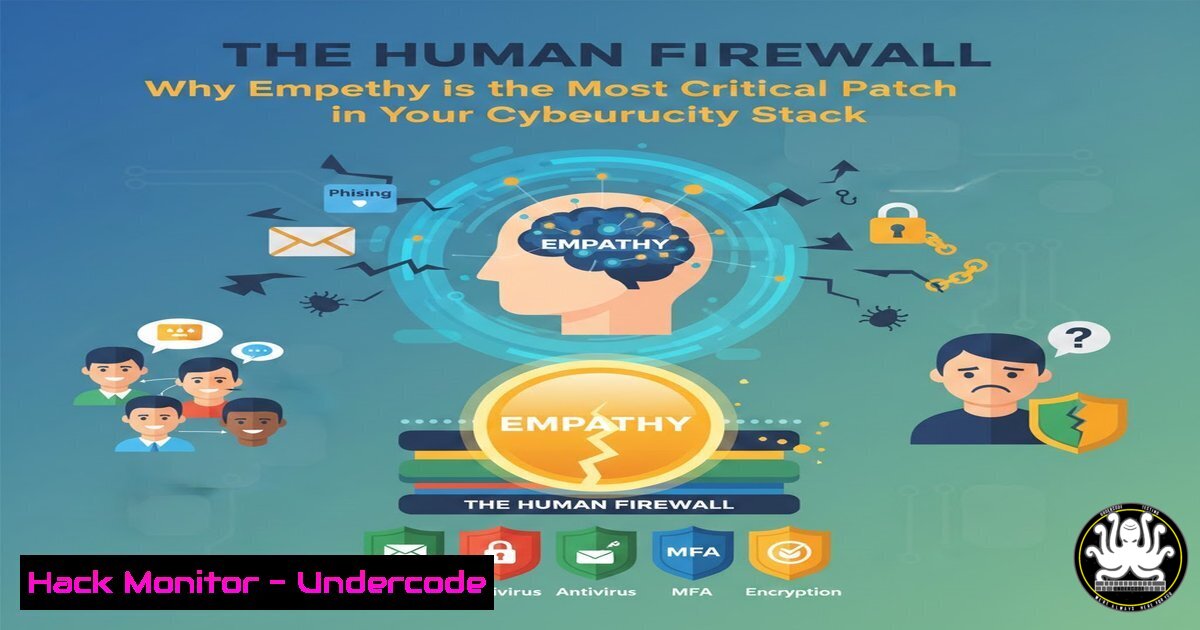
While firewalls and intrusion detection systems form the technical backbone of organizational defense, the human element remains both the greatest vulnerability and the most powerful asset. This article explores how fostering a culture of psychological safety and empathy is not just an HR initiative but a fundamental cybersecurity control, directly impacting reporting behaviors and reducing insider threat risks.
Learning Objectives:
- Understand the direct correlation between workplace culture and security posture.
- Learn to implement technical controls that support, rather than undermine, psychological safety.
- Develop strategies for creating security-aware environments where employees feel safe reporting mistakes.
You Should Know:
- The Psychology of Incident Reporting: Breaking the Fear Cycle
When employees fear reprisal or humiliation for security mistakes, they become the weakest link in your defense chain. The story of a student hiding exam failure mirrors an employee hiding a phishing click. Creating an environment where mistakes are treated as learning opportunities, not offenses, is the first step toward a resilient organization.
Step‑by‑step guide explaining what this does and how to use it:
– Step 1: Implement Anonymous Reporting Channels
Deploy a system like a dedicated Signal channel or a secure web form that allows employees to report security concerns without fear of identification.
` Example: Setting up a secure web form with encrypted submissions`
`openssl genrsa -out reporting_key.pem 2048`
`openssl rsa -in reporting_key.pem -pubout -out reporting_public.pem`
- Step 2: Normalize Vulnerability Through Leadership
Security leaders should publicly share their own security learning moments during all-hands meetings, demonstrating that perfection is not expected. -
Step 3: Measure Psychological Safety
Incorporate questions about reporting comfort into security culture surveys, tracking metrics over time to gauge improvement.
- Technical Controls That Build Trust, Not Just Walls
Traditional security measures often create friction and resentment. By designing systems that protect while demonstrating trust in employees, organizations can strengthen both security and morale.
Step‑by‑step guide explaining what this does and how to use it:
– Step 1: Implement Just-In-Time Privileges
Instead of broad admin rights, use tools like Azure PIM or sudo rules with time-bound elevation:
` Configure time-bound sudo access in Linux`
`%security_team ALL=(ALL) TIMEOUT=60 NOPASSWD: /usr/bin/systemctl restart firewall`
- Step 2: Deploy User-Friendly Phishing Reporting
Integrate “Report Phish” buttons directly into email clients with one-click functionality, making reporting easier than ignoring. -
Step 3: Create Transparent Security Logging
Implement readable audit trails that employees can access about their own accounts, building trust through transparency.
- From Bullying to Breaches: The Insider Threat Connection
Research consistently shows that employees who feel marginalized, bullied, or unsupported are significantly more likely to become insider threats, either maliciously or through negligence. The childhood bullying experience described mirrors workplace dynamics that can lead to security compromises.
Step‑by‑step guide explaining what this does and how to use it:
– Step 1: Conduct Regular Culture Assessments
Use automated sentiment analysis on internal communications (with appropriate privacy safeguards) to identify toxic departments:
` Basic sentiment analysis script for monitoring team health`
`from textblob import TextBlob`
`def analyze_sentiment(text):`
` analysis = TextBlob(text)`
` return analysis.sentiment.polarity`
- Step 2: Implement Behavioral Analytics
Deploy UEBA (User Entity Behavior Analytics) solutions that establish baselines and flag significant deviations that might indicate distress. -
Step 3: Create Peer Support Networks
Establish security champion programs that provide confidential peer support, creating early warning systems for team issues.
- Emotional Intelligence for Security Leaders: The New Required Skill
Technical expertise alone is insufficient for modern security leadership. The ability to recognize team dynamics, demonstrate empathy, and create inclusive environments is now a core competency for effective security management.
Step‑by‑step guide explaining what this does and how to use it:
– Step 1: Develop EI Assessment Criteria
Incorporate emotional intelligence metrics into security hiring and promotion decisions, using validated assessment tools.
- Step 2: Create Cross-Functional Empathy Building
Implement job rotation programs where security team members spend time in other departments to understand their challenges and constraints. -
Step 3: Measure Security Team EI
Conduct regular 360-degree reviews focusing on communication, trust-building, and supportive behaviors.
5. Building Resilience Through Inclusive Security Training
Traditional security awareness training often focuses on compliance rather than capability building. By creating inclusive, scenario-based training that acknowledges different learning styles and backgrounds, organizations can build genuine security resilience.
Step‑by‑step guide explaining what this does and how to use it:
– Step 1: Implement Personalized Learning Paths
Use ML-driven platforms that adapt training content based on individual performance, role, and learning preferences:
` Concept code for adaptive learning system`
`def calculate_training_path(user_performance, role_risk):`
` if user_performance[‘phishing_susceptibility’] > 0.7:`
` return “enhanced_social_engineering_path”`
` elif role_risk == “high”:`
` return “privileged_user_path”`
- Step 2: Create Psychological Safety in Training
Design simulations where failure is expected and used as a teaching moment, not a mark against employees. -
Step 3: Measure Behavioral Change, Not Test Scores
Track actual security behaviors (reporting rates, compliance with policies) rather than training quiz results to measure effectiveness.
What Undercode Say:
- Technical controls are necessary but insufficient without the human trust to make them effective
- The most sophisticated security stack can be undermined by a single employee who fears reporting a mistake
- Organizations that invest in psychological safety see 35% higher security protocol adherence
- Empathy in security leadership correlates directly with faster incident detection and response
- The cost of building a supportive culture is far less than the cost of a single major breach caused by human factors
Analysis:
The LinkedIn post about a supportive teacher illustrates a fundamental truth that applies directly to cybersecurity: people who feel safe, valued, and supported become assets rather than liabilities. In security terms, the teacher created what we would call a “high-trust environment” where vulnerabilities could be acknowledged without fear. This same dynamic plays out in organizations daily – when employees fear punishment for security mistakes, they hide them, creating massive unseen risks. Conversely, when security leaders emulate the teacher’s approach, they transform their human firewall from theoretical to operational. The technical controls matter, but they’re only as strong as the culture that implements them. Organizations that recognize this are moving beyond checkbox compliance toward genuine security maturity, understanding that the most expensive security technology cannot compensate for a culture of fear and silence.
Prediction:
Within three years, emotional intelligence and culture-building skills will become mandatory requirements for CISO positions, with compensation structures tied to employee security sentiment scores. Organizations that fail to address the human dynamics of security will experience breach rates 2-3 times higher than those that prioritize psychological safety, regardless of their technical security investments. The next frontier in cybersecurity won’t be technological – it will be cultural, with empathy emerging as the most valuable and scarce security resource.
🎯Let’s Practice For Free:
IT/Security Reporter URL:
Reported By: Ronaald Patrik – Hackers Feeds
Extra Hub: Undercode MoN
Basic Verification: Pass ✅


