
Listen to this Post
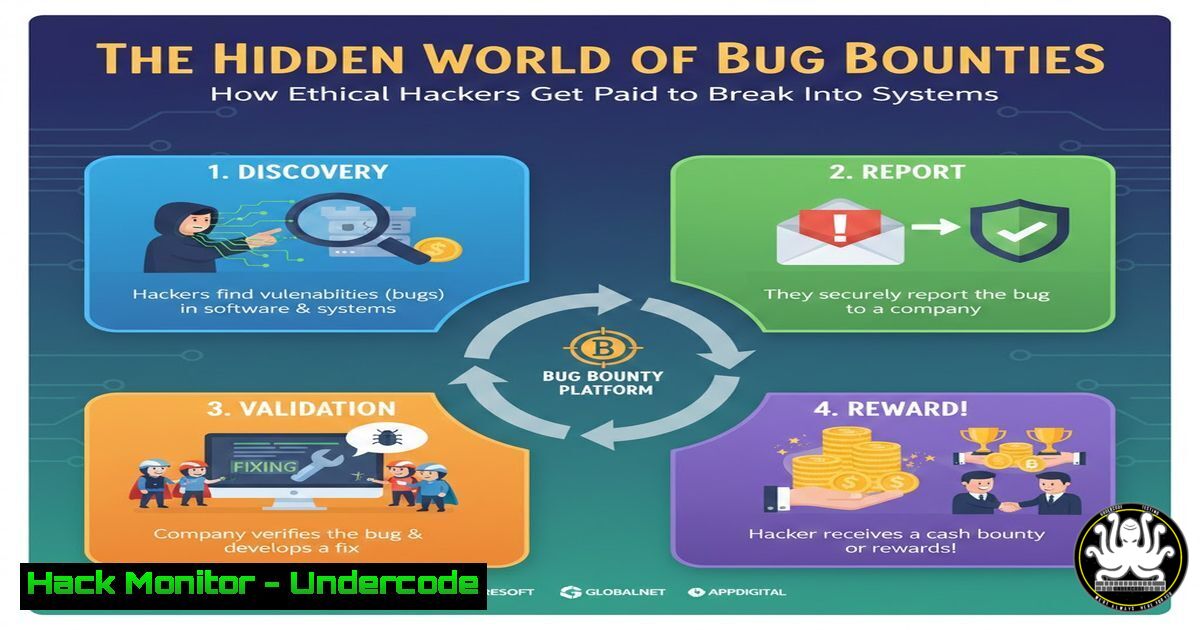
Introduction:
The digital landscape is a constant battleground, where organizations fortify their defenses and skilled individuals test them. This practice, known as ethical hacking or bug bounty hunting, has become a cornerstone of modern cybersecurity. When a researcher, like Randiansyah, receives a reward from a company such as Namahosting.id, it signifies a successful collaboration that strengthens our collective digital security.
Learning Objectives:
- Understand the fundamental workflow and methodology of a bug bounty hunter.
- Learn the essential tools and commands used for reconnaissance and vulnerability discovery.
- Comprehend the legal and ethical frameworks, including responsible disclosure, that govern this field.
You Should Know:
1. The Bug Bounty Hunter’s Mindset and Methodology
A bug bounty hunter operates like a digital detective, systematically probing applications for weaknesses before malicious actors can find them. The process is rarely random; it follows a structured methodology. The core phases include Reconnaissance (information gathering), Enumeration (discovering entry points), Vulnerability Analysis (identifying weaknesses), Exploitation (proof-of-concept), and Reporting (documenting findings ethically). This disciplined approach separates professional hunters from script kiddies.
Step-by-Step Guide:
Step 1: Reconnaissance & Open-Source Intelligence (OSINT). Before touching the target, gather public information. Use tools like `whois` and `nslookup` to map the target’s digital footprint.
Linux Command: `nslookup namahosting.id` – This queries DNS servers to find the IP address associated with the domain.
Linux Command: `whois namahosting.id` – This retrieves the domain’s registration information, which can sometimes reveal nameservers and contact details.
Step 2: Subdomain Enumeration. A main website is just the tip of the iceberg. Hunters look for subdomains (e.g., dev.namahosting.id, api.namahosting.id) which often host less-secure development or internal applications.
Tool: Use a tool like `amass` or subfinder. Example: `amass enum -d namahosting.id` performs passive enumeration to discover subdomains.
2. The Toolbox: Essential Software for Discovery
A craftsman is only as good as their tools. Bug bounty hunters leverage a suite of specialized software to automate tedious tasks and focus on complex analysis. This toolkit typically includes scanners, proxies, and exploit frameworks.
Step-by-Step Guide:
Step 1: Vulnerability Scanning with Nikto. Start with an automated scanner to get a baseline of potential issues.
Linux Command: nikto -h https://namahosting.id` - This command launches a web server scan, checking for outdated software, common misconfigurations, and known vulnerabilities.namahosting.id`, you can capture login requests, API calls, and form submissions, then manipulate them to test for flaws like SQL Injection or Broken Access Control.
Step 2: Interactive Analysis with Burp Suite. This is the industry-standard proxy tool. It allows you to intercept, inspect, and modify all HTTP/S traffic between your browser and the target server.
How to Use: Configure your browser to use Burp Suite as a proxy. As you browse
3. Exploitation in Action: A SQL Injection Example
Finding a vulnerability is one thing; proving its impact is another. A common finding is SQL Injection (SQLi), where an attacker can manipulate database queries through user input.
Step-by-Step Guide:
Step 1: Identify an Injection Point. Look for a search bar, login form, or URL parameter (e.g., product.php?id=1).
Step 2: Craft a Malicious Payload. Instead of a normal product ID, you might try: product.php?id=1' OR '1'='1. This alters the SQL query logic to return all products.
Step 3: Escalate with Union-Based SQLi. A more advanced technique uses the `UNION` operator to extract data from other database tables.
Payload Example: `product.php?id=-1′ UNION SELECT 1,username,password,4 FROM users– -`
This does: If successful, this could force the application to display usernames and password hashes directly on the page, demonstrating a critical data breach.
4. The Critical Step: Responsible Disclosure
This is the non-negotiable ethical pillar of bug bounties. Exploiting a vulnerability for personal gain or damage is illegal. The goal is to help the organization fix the issue.
Step-by-Step Guide:
Step 1: Document Everything. Create a clear, concise report. Include the vulnerability type, the vulnerable URL, steps to reproduce the issue, and a proof-of-concept (screenshots or video).
Step 2: Submit via Official Channels. Only use the contact methods specified in the company’s security policy or bug bounty program (e.g., a dedicated email or HackerOne page). Never disclose the bug publicly until it is patched.
Step 3: Practice Patience. Allow the security team time to analyze and remediate the issue. Cooperate with them if they need more information.
5. Hardening Your Web Server: A Defender’s Guide
For organizations like Namahosting.id, receiving a bug report is a call to action. Hardening your infrastructure is key to preventing these issues in the first place.
Step-by-Step Guide:
Step 1: Secure Server Headers. Misconfigured HTTP headers can leak information and weaken security.
Mitigation: On an Apache server, edit your `.htaccess` file to include:
Header always set X-Content-Type-Options nosniff
Header always set X-Frame-Options DENY
Header always set Strict-Transport-Security "max-age=63072000; includeSubDomains; preload"
Step 2: Implement a Web Application Firewall (WAF). A WAF can filter and block malicious HTTP traffic before it reaches your application.
Action: Use cloud-based WAFs like Cloudflare or AWS WAF, or install a mod_security module on your web server.
- The Business of Security: Why Bug Bounties Work
Bug bounty programs create a powerful public-private partnership. They allow companies to tap into a global pool of diverse talent, often finding niche vulnerabilities their internal teams might miss. For the hunter, it provides legitimate income, skill development, and professional recognition, transforming potential black-hat activities into a respected career path.
What Undercode Say:
- Transparency Builds Trust: Publicly celebrating rewards, as Randiansyah did, demonstrates a company’s commitment to security and encourages more researchers to participate, creating a virtuous cycle of improvement.
- Ethics are the Foundation: The comment questioning if the reward should be public highlights the delicate balance in this community. Adhering strictly to responsible disclosure policies is what legitimizes the entire practice and protects all parties involved.
Analysis: The post from Randiansyah is a microcosm of a thriving cybersecurity ecosystem. It shows a successful transaction where value—a secured system—is exchanged for value—a reward and recognition. This model is increasingly vital. As software grows more complex, traditional penetration tests are no longer enough. Continuous, crowd-sourced security testing through bug bounties provides a scalable and effective defense mechanism. The brief exchange in the comments underscores the community’s self-policing nature, where even the act of publicizing a win is scrutinized to ensure it aligns with ethical norms. This culture of accountability is what prevents these programs from being abused.
Prediction:
The success of bug bounty programs will lead to their deep integration with AI-powered security tools. We will see the rise of “Augmented Hunting,” where AI assistants automatically handle reconnaissance and initial vulnerability scanning, freeing up human hunters to focus on complex, logical business flaws. Furthermore, regulatory bodies will begin to formally recognize participation in these programs as a cybersecurity best practice, and we may see the emergence of standardized certifications for ethical hackers, further professionalizing the field and solidifying its role in the future of global digital infrastructure.
🎯Let’s Practice For Free:
IT/Security Reporter URL:
Reported By: Randiansyah Makasih – Hackers Feeds
Extra Hub: Undercode MoN
Basic Verification: Pass ✅


