
Listen to this Post
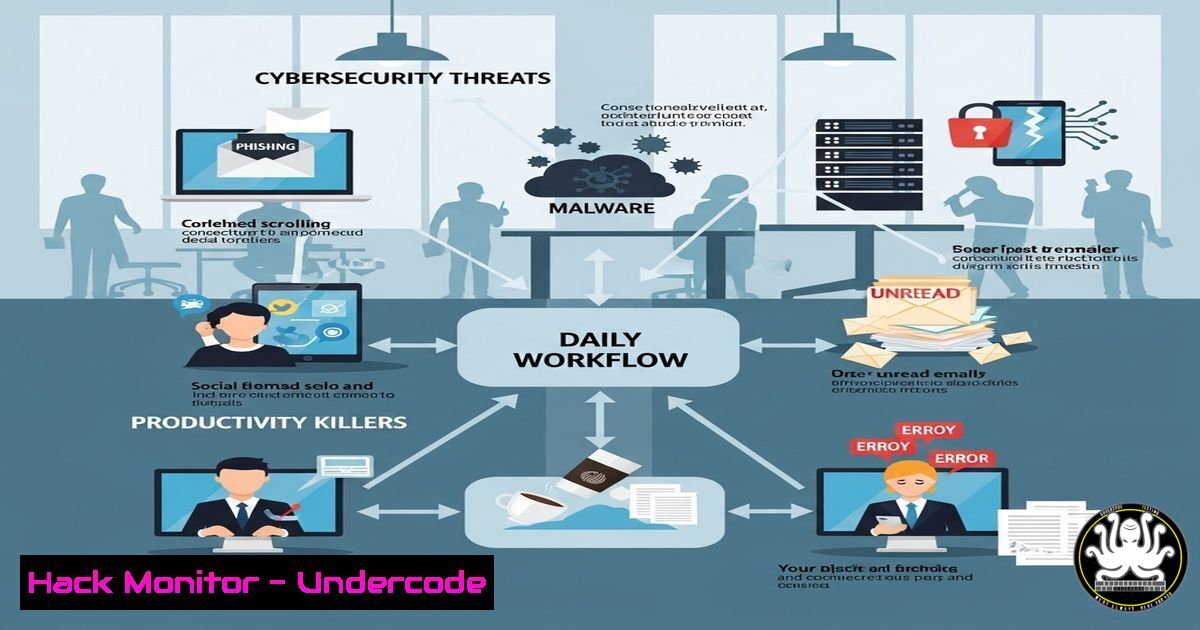
Introduction:
Modern productivity tools and workflows are designed to maximize efficiency, but they often introduce significant, overlooked cybersecurity vulnerabilities. From unsecured collaboration platforms to the misuse of AI, these common practices can serve as gateways for threat actors, turning productivity gains into catastrophic data breaches.
Learning Objectives:
- Identify common productivity tools and habits that double as critical security vulnerabilities.
- Learn immediate mitigation techniques to secure collaboration and communication channels.
- Implement hardened configurations for cloud services, APIs, and AI tools to protect organizational data.
You Should Know:
1. Unsecured Communication Channels (Slack/Teams)
Data exfiltration often occurs through improperly configured collaboration tools. Enforce strict access controls and audit logs.
` Check for externally shared files in Slack (using the API)`
`curl -H “Authorization: Bearer xoxb-your-token” -X POST https://slack.com/api/files.list | grep -o ‘”is_external”:true’ | wc -l`
Step-by-step: This command uses the Slack API to list all files and count how many are shared externally. A high number indicates a potential data leakage risk. Regularly audit this and enforce policies that restrict external sharing to approved channels only.
- The Dangers of Shadow IT and Unvetted SaaS Tools
Employees using unauthorized cloud applications create unmanaged attack surfaces. Implement a Cloud Access Security Broker (CASB) to gain visibility.
` Use o365phishrecon to hunt for suspicious OAuth grants in Microsoft 365`
`Get-AzureADPSPermissionGrant | Where-Object { $_.ClientDisplayName -notlike “Microsoft” } | Ft ClientDisplayName, ConsentType, Scope`
Step-by-step: This PowerShell cmdlet queries Azure Active Directory to list all third-party applications that have been granted OAuth permissions. Review this list regularly and revoke access for any unknown or unused applications.
3. Insecure File Sharing and Storage Configurations
Misconfigured S3 buckets and Azure Blob containers are a primary source of data leaks. Automate configuration checks.
` Use AWS CLI to check for S3 bucket public access`
`aws s3api get-bucket-policy-status –bucket YOUR-BUCKET-NAME –query PolicyStatus.IsPublic`
Step-by-step: This command checks if a specific S3 bucket has a policy that makes it public. If the output is true, the bucket is exposed to the internet. Immediately review and modify the bucket policy using the AWS console or CLI to block public access.
4. Weak API Security in Automated Workflows
Productivity automation often relies on APIs with weak authentication, making them prime targets.
` Scan for common API vulnerabilities with Nikto`
`nikto -h https://your-api-endpoint.com/api/v1/ -C all`
Step-by-step: Nikto is a web scanner that checks for outdated servers, misconfigurations, and known vulnerabilities. Run this against your API endpoints as part of a continuous security testing regimen to identify and patch issues like injection flaws or broken authentication.
5. AI Tool Prompt Injection & Data Leakage
Generative AI tools can inadvertently expose sensitive data entered into prompts or be manipulated via injection attacks.
` Isolate corporate AI tool traffic with a dedicated egress firewall rule (Linux example)`
`sudo iptables -A OUTPUT -p tcp –dport 443 -d api.openai.com -j ACCEPT`
`sudo iptables -A OUTPUT -p tcp –dport 443 -j DROP`
Step-by-step: These iptables rules restrict outbound HTTPS traffic only to the specified AI service domain (e.g., api.openai.com), blocking all others. This prevents data from being sent to unauthorized or malicious AI platforms, mitigating the risk of intellectual property theft.
6. Privilege Creep and Excessive User Permissions
Over-provisioned access rights are a primary vector for insider threats and lateral movement.
` Audit for users with excessive permissions in AWS IAM`
`aws iam simulate-principal-policy –policy-source-arn arn:aws:iam::ACCOUNT-ID:user/USERNAME –action-names “” –resource-arns “”`
Step-by-step: This powerful AWS CLI command simulates the effective permissions of a specific IAM user. It reveals what actions they can actually perform, often uncovering overly permissive policies that should be scoped down following the principle of least privilege.
7. Unencrypted Data in Transit and at Rest
Productivity often prioritizes speed over security, leading to skipped encryption protocols.
` Force TLS 1.2/1.3 only on an Apache web server`
`SSLProtocol all -SSLv3 -TLSv1 -TLSv1.1`
`SSLHonorCipherOrder on`
`SSLCipherSuite ECDHE-RSA-AES256-GCM-SHA384:ECDHE-RSA-CHACHA20-POLY1305`
Step-by-step: Add this configuration to your Apache server’s SSL virtual host file (/etc/apache2/sites-enabled/default-ssl.conf). It disables weak, outdated SSL/TLS protocols and mandates strong, modern cipher suites to protect data as it moves between your users and services.
What Undercode Say:
- Productivity is the New Attack Surface: The very tools adopted to streamline work have exponentially expanded the corporate attack surface. Security teams can no longer focus solely on traditional network perimeters; they must now conduct continuous audits of SaaS configurations, API permissions, and cloud storage settings.
- The AI Security Paradox: The rush to integrate generative AI introduces a profound paradox: the tool designed to enhance knowledge worker productivity is also a potent data exfiltration engine. Organizations must implement strict data loss prevention (DLP) policies that classify data and proactively block sensitive information from being processed by third-party AI models. The future of cybersecurity hinges on building security into the workflow itself, not bolting it on as an afterthought. This requires a cultural shift where every employee understands their role in protecting data, and every tool is evaluated through a security-first lens before deployment.
Prediction:
The convergence of productivity software and AI will create a new class of vulnerabilities: “Productivity-Based Attacks.” Threat actors will increasingly target misconfigured collaboration platforms, exploit APIs in automation tools like Zapier, and use sophisticated prompt injection to poison corporate AI datasets. We will see the first major breach caused by an AI agent being tricked into executing malicious commands, leading to a paradigm shift where securing these non-traditional systems becomes as critical as securing servers and networks.
🎯Let’s Practice For Free:
IT/Security Reporter URL:
Reported By: Asifahmed2 8 – Hackers Feeds
Extra Hub: Undercode MoN
Basic Verification: Pass ✅


