Listen to this Post
Introduction:
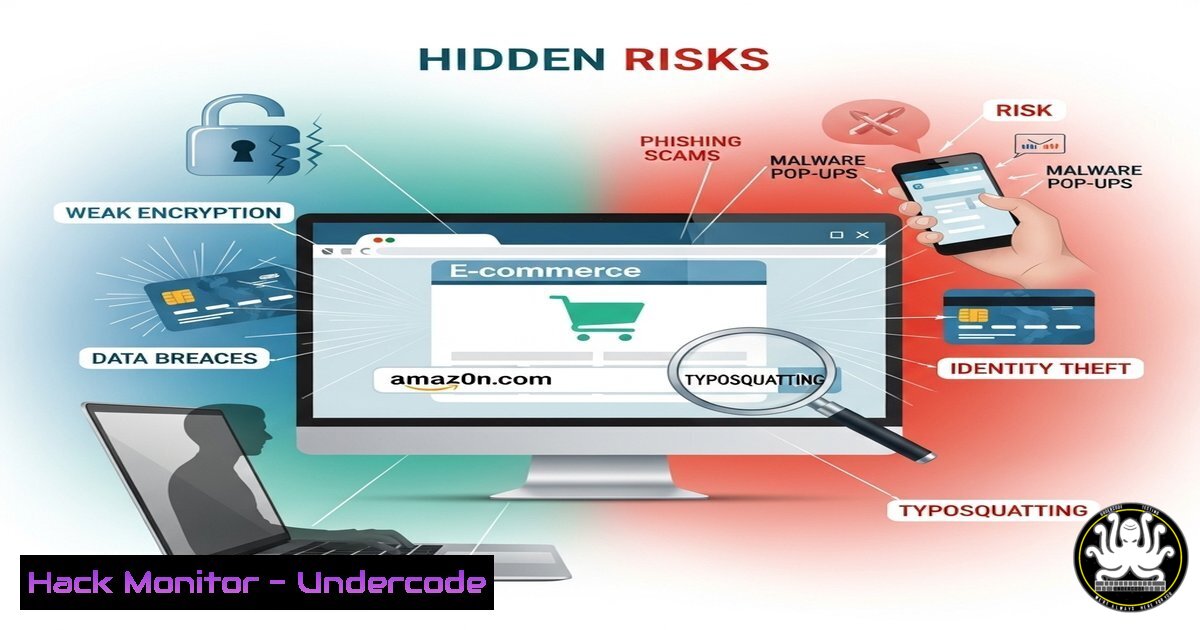
While innovative tools like kitchen gadgets promise convenience, they often come with overlooked cybersecurity risks, especially when purchased through unverified online stores. This article explores the technical vulnerabilities in e-commerce links, affiliate marketing scams, and how to protect your data.
Learning Objectives:
- Identify phishing risks in promotional links like `https://lnkd.in/deGbfmsm`.
- Secure personal data when engaging with social media marketing campaigns.
- Detect and mitigate affiliate fraud schemes.
1. How to Verify Suspicious URLs
Command/Tool:
curl -v https://lnkd.in/deGbfmsm | grep -E "Location:|HTTP/"
What It Does:
This Linux command checks for redirects in shortened URLs (e.g., LinkedIn’s lnkd.in), revealing the final destination. Phishers often hide malicious links behind such shortcuts.
Steps:
1. Run the command in Terminal.
2. Analyze the `Location:` header for unexpected domains.
- Use tools like VirusTotal (
virustotal.com) to scan the URL.
2. Detecting Affiliate Marketing Scams
Tool: Burp Suite (for traffic interception)
Steps:
- Intercept traffic from the product page using Burp Suite.
2. Check for:
- Fake tracking pixels (
<img src="malicious-domain/track.php">). - Unencrypted (HTTP) form submissions stealing payment data.
3. Securing LinkedIn Account from Brand Impersonation
Windows Command (PowerShell):
Get-AzureADUser -SearchString "Arif Sharief" | Select-Object DisplayName, UserPrincipalName
Purpose:
Verifies if a LinkedIn profile matches an Azure AD identity (common in B2B scams).
4. Hardening Social Media Privacy
Action:
Disable third-party app access in LinkedIn:
- Go to Settings & Privacy → Data Privacy → Partner Applications.
2. Revoke access to unknown “marketing tools.”
5. API Security: Checking E-Commerce Site Vulnerabilities
Tool: Postman
Test:
GET /api/[email protected] HTTP/1.1
Host: vendor-website.com
Risk: If this returns user data, the site has an insecure direct object reference (IDOR) flaw.
What Undercode Say:
- Key Takeaway 1: Shortened URLs (
lnkd.in) are a prime vector for phishing—always expand them. - Key Takeaway 2: Affiliate links often embed trackers; use ad-blockers like uBlock Origin to block them.
Analysis:
The post’s link (deGbfmsm) could redirect to a counterfeit store stealing credit card details. Affiliate marketers like “Arif Sharief” may unintentionally promote malicious actors. Always verify tools against platforms like WHOIS (whois.verisign.com) to confirm domain legitimacy.
Prediction:
As AI-generated influencers grow, expect a surge in deepfake-sponsored scams mimicking product endorsements. Zero-trust policies and URL sandboxing (e.g., Any.Run) will become critical for consumers.
Final Tip:
For any “free” tool, run this Linux sandbox check:
docker run --rm -it anyrun/anyrun -url https://lnkd.in/deGbfmsm
This isolates the link in a malware-analysis environment. Stay safe! 🔒
🎯Let’s Practice For Free:
IT/Security Reporter URL:
Reported By: Aroofi Youll – Hackers Feeds
Extra Hub: Undercode MoN
Basic Verification: Pass ✅


