Listen to this Post
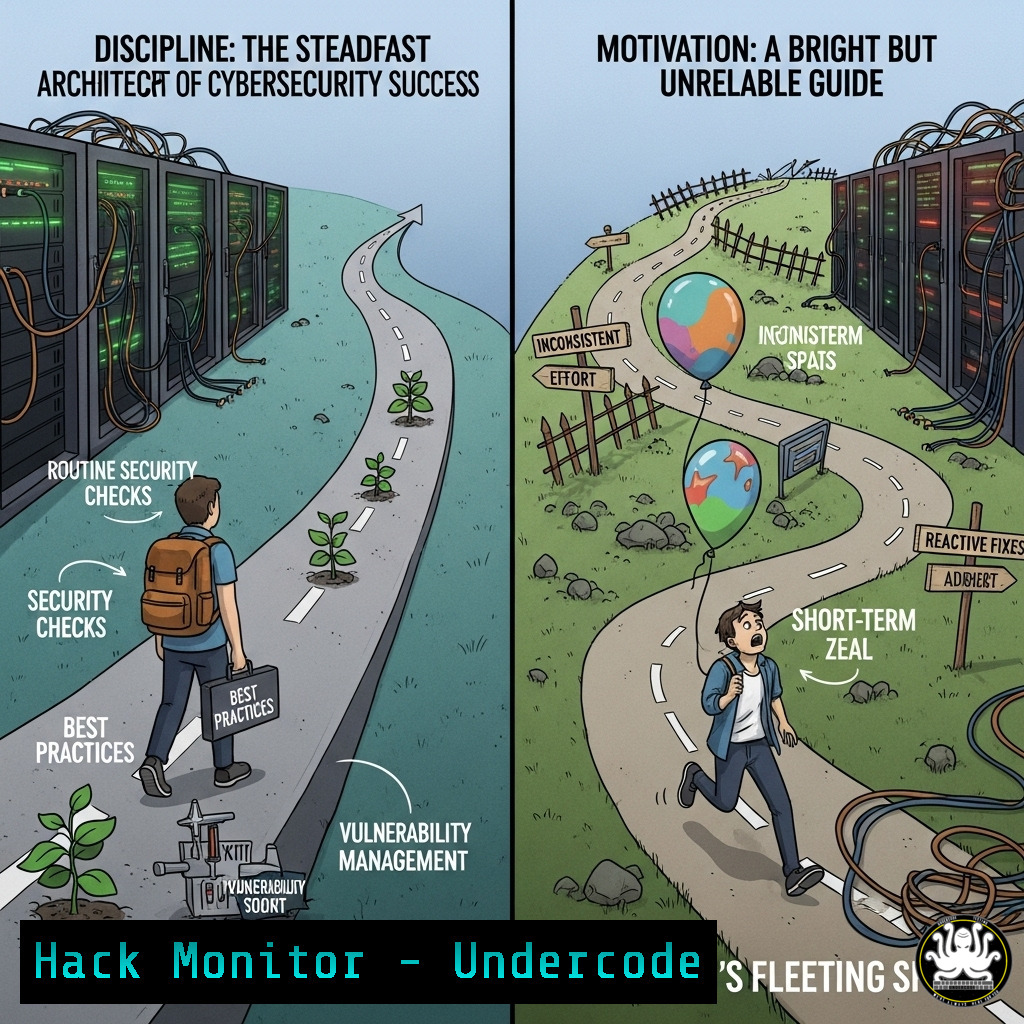
Introduction:
Success in cybersecurity, IT, and AI isn’t just about talent or motivation—it’s about relentless discipline. While motivation sparks the journey, discipline ensures you survive the 3 AM debugging sessions, relentless cyberattacks, and evolving threats. This article explores the technical habits that separate those who quit from those who thrive.
Learning Objectives:
- Understand how discipline applies to cybersecurity and IT workflows.
- Master critical commands and techniques for system hardening and threat mitigation.
- Develop resilience through structured learning and automation.
1. Automating Security Checks with Cron Jobs
Command:
0 3 /usr/bin/rkhunter --check --sk
What It Does:
This cron job runs `rkhunter` (a rootkit scanner) daily at 3 AM, ensuring persistent threat detection without manual intervention.
Steps to Implement:
1. Install `rkhunter`:
sudo apt install rkhunter -y Debian/Ubuntu
2. Edit crontab:
crontab -e
3. Paste the command, save, and exit.
2. Hardening Windows with PowerShell
Script:
Set-NetFirewallProfile -Profile Domain,Public,Private -Enabled True
What It Does:
Enables Windows Firewall across all profiles to block unauthorized inbound/outbound traffic.
Steps:
1. Open PowerShell as Admin.
2. Run the command. Verify with:
Get-NetFirewallProfile | Select-Object Name, Enabled
3. Securing APIs with OAuth2.0
cURL Example:
curl -X POST -H "Authorization: Bearer $TOKEN" https://api.example.com/data
What It Does:
Authenticates API requests using OAuth2.0 tokens instead of vulnerable API keys.
Steps:
- Generate a token via your OAuth provider (e.g., Auth0).
2. Replace `$TOKEN` and execute.
4. Linux Privilege Escalation Mitigation
Command:
sudo chmod 750 /usr/bin/python3 Restrict interpreter access
What It Does:
Prevents attackers from exploiting Python-based privilege escalation (e.g., GTFObin attacks).
Steps:
1. Audit SUID/SGID files:
find / -perm -4000 -type f 2>/dev/null
2. Restrict permissions on risky binaries.
5. Cloud Hardening in AWS
AWS CLI Command:
aws iam create-policy --policy-name "LeastPrivilege" --policy-document file://policy.json
What It Does:
Enforces least-privilege access in AWS IAM.
Steps:
1. Define `policy.json` with minimal permissions.
2. Apply the policy to users/groups.
What Undercode Say:
- Key Takeaway 1: Automation (e.g., cron, scripts) is the backbone of cybersecurity discipline—reducing human error.
- Key Takeaway 2: Success in tech demands pain (debugging, failures) and vision (roadmaps, certifications).
Analysis:
The post’s core message mirrors cybersecurity realities: 80% of breaches stem from unpatched systems or lax habits. Tools like `rkhunter` and IAM policies enforce consistency, but only discipline ensures their use during burnout. Future threats (AI-driven attacks, quantum cracking) will favor those who automate resilience.
Prediction:
By 2030, AI will automate 60% of defensive workflows, but human discipline—updating playbooks, auditing logs—will remain irreplaceable. The divide between motivated beginners and hardened experts will widen.
P.S. Agree? Share your toughest debugging war story below. 👇
Cybersecurity ITDiscipline TechSuccess
🎯Let’s Practice For Free:
IT/Security Reporter URL:
Reported By: Upasana Sharma – Hackers Feeds
Extra Hub: Undercode MoN
Basic Verification: Pass ✅


