Listen to this Post
Introduction:
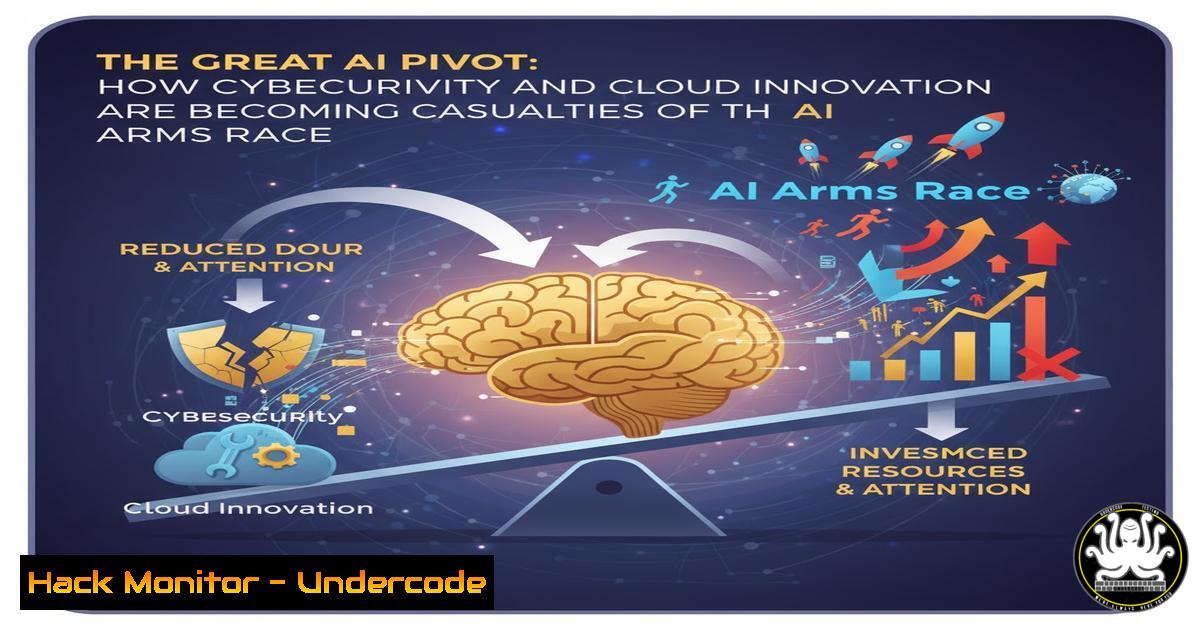
The massive strategic pivot toward artificial intelligence by Big Tech is creating a significant innovation deficit in foundational technologies. As Microsoft, Alphabet, and Amazon pour over $600 billion into AI development, traditional enterprise technologies including cloud security, database management, and core infrastructure are experiencing alarming neglect. This shift threatens to create critical security gaps and operational vulnerabilities that organizations must address immediately.
Learning Objectives:
- Understand the specific security risks emerging from reduced innovation in traditional technologies
- Implement immediate hardening measures for cloud and database systems receiving reduced vendor support
- Develop strategies to maintain robust security posture during industry transition periods
You Should Know:
1. The Cloud Database Vulnerability Crisis
The anecdote about the Global 2000 CIO experiencing deteriorating cloud database support reveals a systemic issue. When vendors deprioritize existing technologies for AI initiatives, security patches, performance optimizations, and vulnerability fixes become delayed or incomplete.
Step-by-step guide explaining what this does and how to use it:
– Conduct immediate database vulnerability assessment using open-source tools:
 Install and run PostgreSQL vulnerability scanner
git clone https://github.com/trustedsec/pg_scanner
cd pg_scanner
python pg_scan.py -h your-database-server -u admin -p password
– Implement continuous monitoring for unsupported database features:
-- Monitor for deprecated features in use
SELECT name, setting, context
FROM pg_settings
WHERE name LIKE '%deprecat%' OR name LIKE '%obsolet%';
– Enable enhanced logging for suspicious database activities:
 PostgreSQL logging configuration
echo "log_statement = 'all'" >> /etc/postgresql/14/main/postgresql.conf
echo "log_connections = on" >> /etc/postgresql/14/main/postgresql.conf
systemctl restart postgresql
2. Cloud Security Hardening in an AI-Distracted Era
With cloud providers focusing engineering resources on AI services, traditional cloud security features may receive reduced attention, requiring organizations to implement additional protective measures.
Step-by-step guide explaining what this does and how to use it:
– Implement automated security configuration monitoring:
 AWS Security Hub automated configuration check
aws securityhub enable-security-hub
aws securityhub update-security-hub-configuration --auto-enable-controls
– Deploy custom cloud trail monitoring for unauthorized API access:
import boto3
def monitor_cloudtrail_suspicious_events():
client = boto3.client('cloudtrail')
response = client.lookup_events(
LookupAttributes=[
{'AttributeKey': 'EventName', 'AttributeValue': 'ConsoleLogin'},
],
MaxResults=50
)
for event in response['Events']:
if event.get('CloudTrailEvent'):
event_data = json.loads(event['CloudTrailEvent'])
if event_data.get('responseElements') and \
event_data['responseElements'].get('ConsoleLogin') == 'Failure':
send_alert(f"Failed console login: {event_data}")
3. API Security Reinforcement Strategies
As API security receives less innovation focus, organizations must implement robust monitoring and protection mechanisms to prevent data breaches and service compromises.
Step-by-step guide explaining what this does and how to use it:
– Deploy API rate limiting and anomaly detection:
from flask_limiter import Limiter
from flask_limiter.util import get_remote_address

limiter = Limiter(
app,
key_func=get_remote_address,
default_limits=["200 per day", "50 per hour"]
)

@app.route("/api/v1/sensitive-data")
@limiter.limit("10 per minute")
def sensitive_data():
return jsonify({"data": "sensitive_information"})
– Implement API security testing automation:
 Install and run OWASP ZAP API security scanner
docker run -v $(pwd):/zap/wrk/:rw -t owasp/zap2docker-stable zap-api-scan.py \
-t http://yourapi.com/openapi.json -f openapi -r report.html
4. Infrastructure Configuration Drift Detection
With reduced vendor oversight on traditional infrastructure, configuration drift becomes a significant security risk that requires automated detection and remediation.
Step-by-step guide explaining what this does and how to use it:
– Implement infrastructure-as-code compliance checking:
 Terraform security scanning with tfsec
docker run --rm -it -v "$(pwd):/src" aquasec/tfsec /src
– Deploy continuous configuration monitoring:
 Ansible playbook for security configuration compliance
- name: Validate security configurations
hosts: all
tasks:
- name: Check SSH configuration
ansible.builtin.command: sshd -T
register: sshd_config
changed_when: false
- name: Alert on insecure SSH settings
when: "'permitrootlogin yes' in sshd_config.stdout"
ansible.builtin.debug:
msg: "INSECURE: Root login permitted via SSH"
5. Vulnerability Management Automation
With potential delays in vendor-provided security patches, organizations need enhanced vulnerability management capabilities to identify and mitigate risks proactively.
Step-by-step guide explaining what this does and how to use it:
– Implement automated vulnerability scanning pipeline:
!/bin/bash
 Automated vulnerability scanning script
echo "Starting comprehensive vulnerability scan..."

Container scanning
docker run --rm -v /var/run/docker.sock:/var/run/docker.sock \
aquasec/trivy image your-app:latest

System package vulnerability assessment
sudo apt-get update
sudo apt-get install lynis
sudo lynis audit system
– Deploy security patch management automation:
import os
import subprocess

def security_patch_automation():
 Check for critical security updates
result = subprocess.run(['apt-listchanges', '--security', '--upgrade'],
capture_output=True, text=True)

if "critical" in result.stdout.lower():
 Apply security patches automatically
os.system('sudo unattended-upgrade --dry-run')
 Notify security team
send_security_alert("Critical patches available and applied")
6. Zero Trust Architecture Implementation
With potential gaps in traditional perimeter security solutions, implementing zero trust principles becomes crucial for maintaining security posture.
Step-by-step guide explaining what this does and how to use it:
– Deploy micro-segmentation and identity-aware networking:
 Implement network policies using Calico
kubectl apply -f - <<EOF
apiVersion: projectcalico.org/v3
kind: NetworkPolicy
metadata:
name: default-deny
namespace: production
spec:
selector: all()
types:
- Ingress
- Egress
EOF
– Configure identity-aware access controls:
 Kubernetes service account with minimal privileges
apiVersion: v1
kind: ServiceAccount
metadata:
name: restricted-sa
namespace: default
automountServiceAccountToken: false
7. Incident Response Readiness Enhancement
With potential delays in vendor support response times due to AI resource allocation, organizations must strengthen their internal incident response capabilities.
Step-by-step guide explaining what this does and how to use it:
– Implement automated incident detection and response:
import boto3
def automated_incident_response():
 Create AWS Config rule for compliance monitoring
config = boto3.client('config')
response = config.put_config_rule(
ConfigRule={
'ConfigRuleName': 'security-group-open-check',
'Description': 'Checks for security groups with unrestricted access',
'Source': {
'Owner': 'AWS',
'SourceIdentifier': 'INCOMING_SSH_DISABLED'
},
'InputParameters': '{}',
'MaximumExecutionFrequency': 'TwentyFour_Hours'
}
)
– Deploy security incident automation playbooks:
 SOAR-style incident response automation
!/bin/bash
 Detect and respond to suspicious network activity
if netstat -an | grep ":22" | grep "ESTABLISHED" | wc -l > 10; then
echo "Multiple SSH connections detected - possible brute force attack"
 Automatically block suspicious IP ranges
iptables -I INPUT -s 192.168.1.0/24 -j DROP
 Trigger security team alert
send_incident_alert "Potential SSH brute force attack in progress"
fi
What Undercode Say:
- The AI investment surge creates immediate technical debt in traditional enterprise systems that attackers will exploit
- Organizations must assume reduced vendor support for non-AI technologies and build internal security competencies
- The innovation gap in foundational technologies represents the most significant unaddressed cybersecurity risk of 2024
The massive capital reallocation toward AI represents a fundamental shift in technology risk management. While AI promises transformative capabilities, the deliberate underinvestment in traditional enterprise technologies creates systemic vulnerabilities that sophisticated threat actors will inevitably target. The CIO’s experience of having critical database support issues met with AI sales pitches illustrates a dangerous prioritization misalignment. Organizations must recognize that their existing cloud, database, and security infrastructure will receive diminishing innovation and support, requiring immediate investment in internal security capabilities, enhanced monitoring, and proactive vulnerability management to compensate for this industry-wide pivot.
Prediction:
Within 18-24 months, we will witness a significant increase in security breaches originating from unpatched vulnerabilities in traditional enterprise systems that received reduced vendor attention due to AI resource allocation. This will force a market correction where enterprise buyers demand contractual guarantees for ongoing support of non-AI technologies, potentially slowing AI adoption as vendors rebalance innovation portfolios. The cybersecurity insurance industry will adjust premiums based on organizations’ demonstrated capabilities in maintaining legacy system security, creating financial incentives for balanced technology investment strategies.
🎯Let’s Practice For Free:
IT/Security Reporter URL:
Reported By: Davidlinthicum Aiinvestments – Hackers Feeds
Extra Hub: Undercode MoN
Basic Verification: Pass ✅


