Listen to this Post
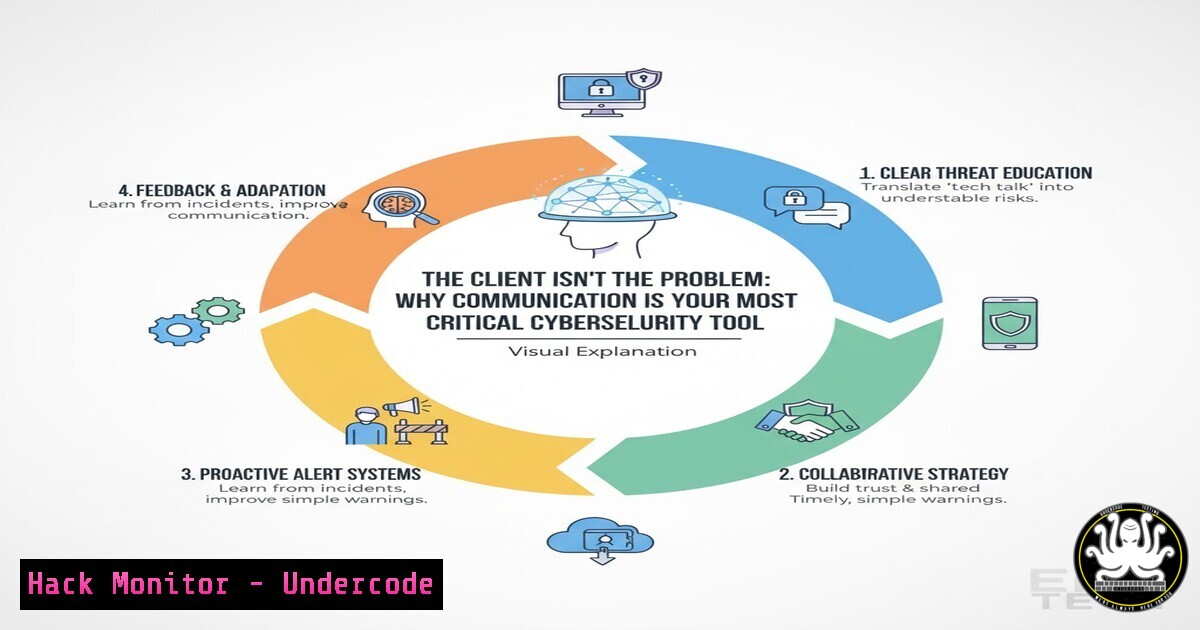
Introduction:
In the high-stakes world of cybersecurity, the gap between technical execution and client expectations often dictates success more than any piece of code. While penetration testers and security engineers focus on exploiting vulnerabilities, the ultimate deliverable is trust, built on clear communication and actionable results. This article explores how mastering client relations is not a soft skill but a fundamental component of effective security posture.
Learning Objectives:
- Integrate client communication protocols into the technical penetration testing lifecycle.
- Utilize tools and scripts for transparent reporting and evidence collection.
- Translate complex technical findings into practical, business-risk-focused solutions for clients.
You Should Know:
1. Pre-Engagement: Scoping and Communication Alignment
Before a single command is run, successful security engagements are won or lost in the scoping phase. This involves setting clear expectations, defining rules of engagement, and establishing communication channels.
Step‑by‑step guide explaining what this does and how to use it.
Step 1: The Kickoff Call: Use this meeting to understand the client’s business objectives, not just their technical perimeter. Discuss their biggest fears—is it data exfiltration, service disruption, or compliance failure?
Step 2: Define Rules of Engagement (RoE) Document: This legally binding document is your shield. It must explicitly state approved targets, prohibited actions (e.g., DDoS, social engineering against specific employees), testing windows, and emergency contact points.
Step 3: Establish Communication Cadence: Will you provide daily updates? A dedicated Slack/Teams channel? Define this upfront. Use a tool like Dradis or a simple shared document to log findings in near-real-time, so the client is never surprised by the final report.
2. Transparent Evidence Collection: Beyond a Simple PoC
A client paying a premium needs more than a screenshot of a shell. They need irrefutable, well-documented evidence that tells a story.
Step‑by‑step guide explaining what this does and how to use it.
Step 1: Automated Screenshotting & Logging: Use tools that automatically document your workflow. In a Linux terminal, use `script` to record all your actions.
 Start recording terminal session
script -a pentest_session.log
 ... perform your commands ...
 Type `exit` to stop recording
Step 2: Correlate Findings with Commands: When you find a vulnerability, document the exact command used. For example, for a common SQL injection:
Finding: SQL Injection in login form.
Command Used (for evidence):
sqlmap -u "http://target.com/login.php" --data="username=admin&password=pass" --batch --dump
Step 3: Create a Visual Narrative: Use `curl` or a browser’s dev tools to show the raw request and response, highlighting the vulnerability. For a Local File Inclusion (LFI), show the command and the output.
 Example LFI curl command for evidence
curl http://target.com/index.php?page=../../../../etc/passwd
- From Exploit to Business Impact: The Risk Translation Layer
Finding CVE-2023-12345 is meaningless if the client doesn’t understand its business impact. Your job is to be a translator.
Step‑by‑step guide explaining what this does and how to use it.
Step 1: Categorize by Standardized Frameworks: Don’t just use CVSS scores. Map your findings to the MITRE ATT&CK framework. Example: “This SQLi vulnerability (T1190) allows an attacker to achieve Initial Access and proceed to Data Exfiltration (TA0010).”
Step 2: Quantify the Business Risk: Instead of “High Severity,” say “This vulnerability could lead to a full compromise of the customer database, resulting in direct financial loss from fraud, GDPR fines of up to 4% of global revenue, and irreversible reputational damage.”
Step 3: Provide Contextualized Remediation: Don’t just say “patch the system.” Provide a prioritized action plan. “Step 1: Apply the patch from vendor X by Y date. Step 2: Implement a Web Application Firewall (WAF) rule to block these payloads as an interim measure. Step 3: Introduce mandatory secure code training for developers focusing on input validation.”
4. Leveraging Automation for Consistent Client Reporting
Manual reporting is slow and error-prone. Automate the aggregation of findings to ensure consistency and speed.
Step‑by‑step guide explaining what this does and how to use it.
Step 1: Use Integrated Toolchains: Tools like Metasploit Pro or open-source solutions like Serpico can take output from scanners (Nessus, Nmap) and automatically populate report templates.
Step 2: Script Your Own Aggregator: For a custom touch, a simple Python script can parse tool outputs (XML, JSON) and generate a markdown report.
 Example snippet to parse Nmap XML output
import xml.etree.ElementTree as ET
tree = ET.parse('scan.xml')
root = tree.getroot()
for host in root.findall('host'):
ip = host.find('address').get('addr')
for port in host.findall('ports/port'):
portid = port.get('portid')
print(f"Host: {ip} has open port: {portid}")
Step 3: Integrate with Ticketing Systems: Use APIs to automatically create tickets in the client’s system (e.g., Jira, ServiceNow) for each critical finding, ensuring immediate visibility for their IT team.
5. Post-Engagement: Building Long-Term Trust
The relationship shouldn’t end when the final report is delivered. This is where you transition from a vendor to a trusted advisor.
Step‑by‑step guide explaining what this does and how to use it.
Step 1: The Debriefing Call: Walk the client’s technical and leadership teams through the findings. Focus on the “so what,” not the “how.” Use plain language.
Step 2: Offer Remediation Support: Be available to answer questions as their team patches the systems. A quick, helpful response to a clarifying email is worth its weight in gold.
Step 3: Schedule a Follow-Up: Propose a re-test in 3-6 months to validate that the patches were effective. This demonstrates a commitment to their security, not just to finding holes.
What Undercode Say:
- Technical Prowess is Table Stakes; Communication is the Differentiator. The most brilliant exploit is worthless if the client doesn’t understand it or trust your process. Your ability to communicate defines your professional ceiling.
- Automate the Mundane to Excel at the Human. Use scripts and tools to handle evidence collection and reporting boilerplate. This frees up your most valuable asset—time—to focus on strategic analysis and client interaction.
The original post highlights a universal truth often ignored in technical fields: frustration is a symptom of a communication breakdown. In cybersecurity, this is amplified. A client who doesn’t understand the risks or the value you provide will see your invoice as a cost, not an investment. By embedding transparent communication into every stage of the technical process—from scoping with a detailed RoE to post-engagement support—you build the trust that turns one-time projects into long-term partnerships. This isn’t about being “good with people”; it’s about being a thorough professional who understands that the deliverable is not just a PDF report, but a more secure and informed client.
Prediction:
The future of cybersecurity consulting will be dominated by firms that seamlessly blend AI-driven technical execution with hyper-personalized client experience. AI will handle vulnerability scanning and initial data correlation, but the human expert’s role will evolve into that of a “Cyber Risk Translator” and strategic advisor. Consultants who fail to master the art of communication and trust-building will be commoditized, while those who do will command premium rates and foster unshakable client loyalty.
🎯Let’s Practice For Free:
IT/Security Reporter URL:
Reported By: Nouraellm Your – Hackers Feeds
Extra Hub: Undercode MoN
Basic Verification: Pass ✅


