Listen to this Post
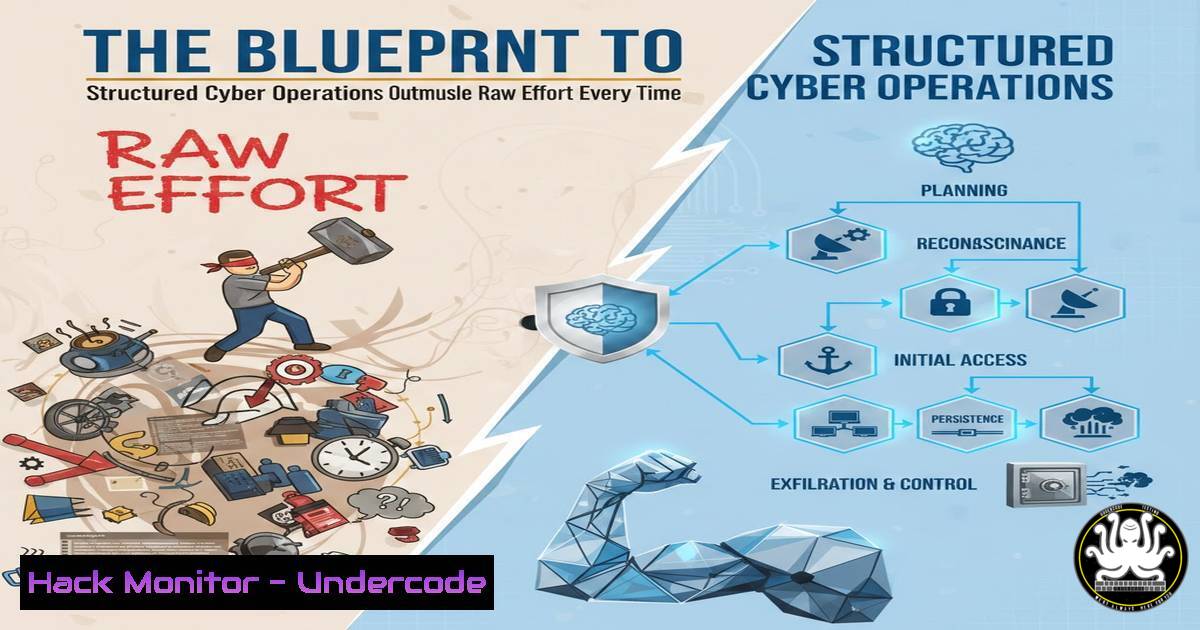
Introduction:
In the dynamic realm of cybersecurity, the adage “structure beats hard work” is not just a motivational quote but a fundamental operational truth. This principle dictates that a meticulously planned and systematically executed security strategy will consistently outperform disjointed, albeit intense, reactive efforts. For IT professionals and security teams, adopting a structured framework is the critical differentiator between a resilient defense and a costly breach.
Learning Objectives:
- Understand the core components of a structured cybersecurity framework and how to implement them.
- Learn practical, command-level steps for system hardening, log analysis, and network segmentation.
- Develop a proactive mindset for security operations, moving from reactive firefighting to strategic defense-in-depth.
You Should Know:
1. System Hardening: The Foundation of Structural Security
A structured security posture begins with a hardened base. System hardening involves reducing the attack surface by minimizing unnecessary programs, accounts, and services. A haphazardly configured system, even with strong passwords, is vulnerable to exploitation.
Step‑by‑step guide explaining what this does and how to use it.
1. Inventory Running Services (Linux): Use `ss -tuln` or `netstat -tulpen` to list all listening network services. Identify and investigate any unknown or unnecessary services.
2. Disable Unnecessary Services (Linux): For a service like `apache2` that is not required, run `sudo systemctl stop apache2` followed by sudo systemctl disable apache2. This stops the service now and prevents it from starting on boot.
3. Harden SSH Configuration (Linux): Edit the SSH configuration file with sudo nano /etc/ssh/sshd_config. Implement key structural changes:
`PermitRootLogin no` (Prevents direct root logins)
`PasswordAuthentication no` (Forces key-based authentication)
`Protocol 2` (Uses only the more secure SSH protocol version)
Restart the service with `sudo systemctl restart sshd`.
- Windows Example – Disable SMBv1: Open PowerShell as Administrator and run
Disable-WindowsOptionalFeature -Online -FeatureName SMB1Protocol. This removes an outdated and vulnerable protocol.
2. Structured Logging and Proactive Monitoring
Raw effort is manually sifting through gigabytes of logs during an incident. A structured approach involves configuring a centralized logging system and setting up alerts for specific, high-fidelity indicators of compromise.
Step‑by‑step guide explaining what this does and how to use it.
1. Configure Rsyslog for Centralized Logging (Linux): On your central log server, edit `/etc/rsyslog.conf` and uncomment the lines for `module(load=”imtcp”)` and input(type="imtcp" port="514"). Restart rsyslog: sudo systemctl restart rsyslog.
2. Forward Client Logs: On a client system, edit `/etc/rsyslog.conf` and add . @@<your_central_log_server_ip>:514. Restart the client’s rsyslog service.
3. Create a Custom Fail2Ban Filter: Fail2ban structures defense by automatically blocking IPs based on log patterns. Create a new filter file /etc/fail2ban/filter.d/sshd-custom.conf:
[bash]
failregex = ^%(__prefix_line)s(?:Failed password|Invalid user) for . from <HOST>
ignoreregex =
4. Create and Activate a Fail2ban Jail: Edit `/etc/fail2ban/jail.local` and add:
[sshd-custom]
enabled = true
port = ssh
logpath = /var/log/auth.log
maxretry = 3
bantime = 3600
Enable and start the service: sudo systemctl enable fail2ban && sudo systemctl start fail2ban.
3. Network Segmentation: Building Security Zones
A flat network is a playground for attackers. Structured security mandates network segmentation, creating isolated zones to contain breaches and limit lateral movement.
Step‑by‑step guide explaining what this does and how to use it.
1. Plan Your Zones: Define segments (e.g., DMZ, Internal, Database). Map which segments need to communicate and on which ports.
2. Implement with Firewall Rules (Using iptables example):
Default Deny Policy: Set the default policy for the `FORWARD` chain to DROP: sudo iptables -P FORWARD DROP.
Allow Web Traffic to DMZ: Allow external traffic to your web server: sudo iptables -A FORWARD -p tcp --dport 80,443 -d <web_server_ip> -j ACCEPT.
Allow Specific Internal Access: Only allow your management subnet to access SSH on servers: sudo iptables -A FORWARD -p tcp --dport 22 -s <management_subnet> -d <server_subnet> -j ACCEPT.
3. Persist Rules: Save your iptables rules using `sudo iptables-save > /etc/iptables/rules.v4` or use your distribution’s preferred method.
4. Automated Vulnerability Scanning and Patching
Relentless manual scanning is hard work. A structured process uses automated tools on a regular schedule to identify, prioritize, and remediate vulnerabilities.
Step‑by‑step guide explaining what this does and how to use it.
1. Install and Schedule a Scan (Using OpenVAS/GVM): After installation, use the `gvm-cli` or the web interface to create a scan task targeting a specific subnet.
2. Automate with Cron: Schedule a weekly scan by adding a line to your crontab with crontab -e: `0 2 1 /usr/bin/gvm-cli –commands “create_task –name ‘Weekly Scan’ –target
3. Prioritize and Patch: The structured part is reviewing the report. Focus on Critical and High-severity vulnerabilities. Use your package manager to patch systems: `sudo apt update && sudo apt upgrade` (Debian/Ubuntu) or `sudo yum update` (RHEL/CentOS).
5. API Security: Structured Input Validation
APIs are a primary attack vector. Hard work is trying to blacklist malicious inputs. Structure is implementing a positive security model with strict schema validation.
Step‑by‑step guide explaining what this does and how to use it.
1. Define a Strict Schema (Python/Flask with Marshmallow):
from marshmallow import Schema, fields, validate

class UserLoginSchema(Schema):
username = fields.Str(required=True, validate=validate.Length(min=4, max=25))
password = fields.Str(required=True, validate=validate.Length(min=12))
email = fields.Email(required=True)
2. Validate Incoming Requests: In your endpoint, use the schema to validate.
@app.route('/login', methods=['POST'])
def login():
schema = UserLoginSchema()
errors = schema.validate(request.json)
if errors:
return {"error": errors}, 400
 Proceed with processing only if validation passes
3. Implement Rate Limiting: Use a middleware like `flask-limiter` to structure your defense against brute-force attacks: @limiter.limit("5 per minute").
What Undercode Say:
- A reactive, hard-work-focused security team is constantly playing catch-up, expending immense energy to plug holes as they appear. A structured team operates from a blueprint, making targeted, efficient improvements that raise the cost of attack exponentially.
- The most sophisticated tools are ineffective without a structured process to govern their use. Automation and orchestration are the engines of modern security, but structure is the steering wheel and the map.
Analysis:
The original post’s wisdom cuts to the core of modern cybersecurity challenges. Many organizations pride themselves on the “hard work” of their overworked SOC analysts, but this is a sign of a failing strategy, not a successful one. Structure, as embodied by frameworks like MITRE ATT&CK or the NIST Cybersecurity Framework, provides a common language and a systematic methodology. It forces organizations to think holistically about asset management, detection engineering, and response playbooks. This shift from ad-hoc heroics to a disciplined, process-driven operation is what ultimately leads to cyber resilience. It allows resources to be allocated strategically, ensures consistent execution of security controls, and provides measurable metrics for improvement, turning security from a cost center into a demonstrable value proposition.
Prediction:
The future of cybersecurity will be dominated by structured, AI-driven security operations. The “hard work” of manual log analysis and threat hunting will be largely automated, with AI acting as a force multiplier for structured security teams. These teams will focus on curating data, fine-tuning AI models, and managing the strategic exception handling that machines cannot. Organizations clinging to unstructured, reactive models will find themselves unable to keep pace with the speed and scale of AI-powered attacks, leading to a significant divergence in security postures between those with a structured, AI-augmented approach and those without.
🎯Let’s Practice For Free:
IT/Security Reporter URL:
Reported By: Oliverramirezgomez Structure – Hackers Feeds
Extra Hub: Undercode MoN
Basic Verification: Pass ✅


