Listen to this Post
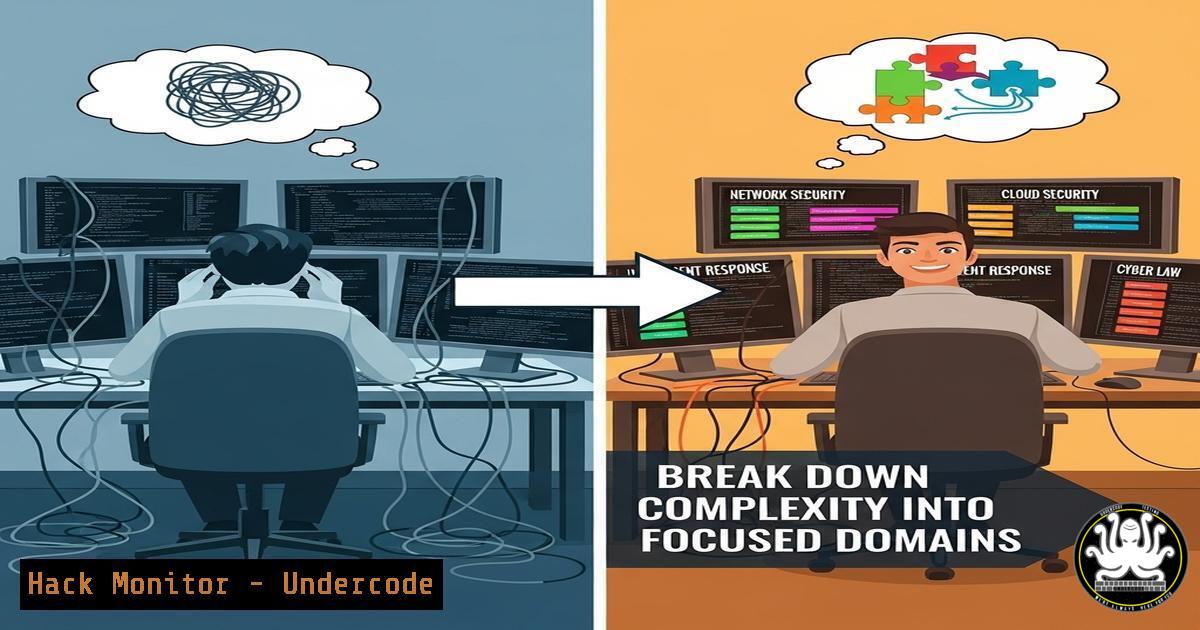
Introduction:
In an era of escalating cyber threats and AI-powered attacks, traditional analytical thinking is no longer sufficient for modern security professionals. Dr. Russell Ackoff’s transformative systems thinking framework provides the mental model needed to combat complex, interconnected security challenges that defy conventional problem-solving approaches.
Learning Objectives:
- Understand the core principles of systems thinking and how they apply to cybersecurity
- Learn practical techniques for analyzing security incidents as interconnected systems rather than isolated events
- Develop strategies for implementing systemic security improvements across your organization
You Should Know:
1. Systems Thinking for Threat Hunting
Systems thinking transforms threat hunting from isolated indicator searches to understanding attacker workflows as interconnected systems.
 MITRE ATT&CK Framework System Mapping
 Map all techniques related to a specific adversary
python3 mitre_attack_mapper.py --apt-group "APT29" --output system_map.html

Generate relationship graph between techniques
attack-map --tactic "Lateral Movement" --relationship "uses" --depth 3
Step-by-step guide: This approach maps not just individual techniques but their relationships, dependencies, and emergent behaviors. Start by installing the MITRE ATT&CK Navigator, then use it to visualize how techniques connect across the kill chain. The system map reveals choke points where defensive measures will have maximum impact across multiple attack vectors.
2. Network Security as an Interconnected System
Traditional siloed security tools create gaps that attackers exploit. Systems thinking requires understanding how network segments interact.
 Analyze network traffic relationships
tshark -r capture.pcap -T fields -e ip.src -e ip.dst -e frame.time \
| awk '{print $1 " -> " $2 " at " $3}' | sort | uniq -c | sort -nr

Create dependency map of network services
nmap --script discovery -sV -O target/24 -oX network_dependencies.xml
Step-by-step guide: Instead of analyzing isolated packets, this command sequence reveals communication patterns and service dependencies. The output shows which systems communicate most frequently, helping identify critical infrastructure components and potential single points of failure in your security architecture.
3. Incident Response System Mapping
Effective incident response requires understanding how incidents propagate through interconnected systems.
 Map process relationships during incident
Get-WmiObject -Query "SELECT  FROM Win32_Process" |
Select-Object Name, ProcessId, ParentProcessId, CommandLine |
Export-Csv process_tree.csv -NoTypeInformation

Analyze service dependencies
sc query state=all | findstr "SERVICE_NAME" > services_list.txt
foreach ($service in Get-Content services_list.txt) {
sc qc $service.split(":")[bash].trim() | findstr "DEPENDENCIES"
}
Step-by-step guide: These commands create a map of process and service relationships, crucial for understanding how a breach spreads. By analyzing parent-child process relationships and service dependencies, you can trace attack progression through systems rather than just containing isolated endpoints.
4. Cloud Security Architecture Systems
Cloud environments require thinking in terms of interconnected services and identity relationships.
 AWS IAM relationship mapping
aws iam get-account-authorization-details --query "Policies[?AttachmentCount > <code>0</code>]" \
--output json | jq '.[] | {PolicyName, PolicyDocument}'

Azure resource dependency mapping
az graph query -q "resources | where type contains 'virtualMachine' | project name, resourceGroup"
Step-by-step guide: Cloud security depends on understanding how services, identities, and resources interconnect. These commands map IAM policies to resources and visualize virtual machine dependencies, revealing systemic vulnerabilities that would be invisible when examining components in isolation.
5. API Security Ecosystem Analysis
Modern applications comprise interconnected APIs that create complex attack surfaces requiring systemic analysis.
 API endpoint relationship mapping
python3 api_mapper.py -t https://target.com -o api_graph.json

Analyze API parameter dependencies
for endpoint in $(cat api_endpoints.txt); do
curl -s "https://target.com$endpoint" | jq '.parameters[] | select(.required==true)'
done
Step-by-step guide: API security requires understanding how endpoints connect and depend on each other. This approach maps the entire API ecosystem, revealing authentication bypass paths, data flow vulnerabilities, and systemic weaknesses that individual endpoint testing would miss.
6. Security Control Interdependency Analysis
Security controls often interact in unexpected ways, creating gaps or conflicts that attackers exploit.
 Analyze firewall rule relationships
iptables-save | grep -E "(INPUT|OUTPUT|FORWARD)" |
awk '{print $1 " " $2 " " $3 " -> " $4 " " $5 " " $6}'

Check control conflicts
python3 control_analyzer.py --firewall rules.json --ids signatures.json --output conflicts.csv
Step-by-step guide: This analysis reveals how different security controls interact, identifying both coverage gaps and rule conflicts that create vulnerabilities. The systemic view ensures controls work together rather than creating blind spots through unexpected interactions.
7. Organizational Security Culture Mapping
The human element forms a critical system in cybersecurity, with communication patterns and processes determining security effectiveness.
 Map security decision processes
from security_culture_mapper import OrganizationMapper

org_map = OrganizationMapper(company_domain)
org_map.analyze_communication_patterns()
org_map.visualize_security_decision_paths()
Step-by-step guide: Technical controls fail without proper organizational context. This mapping analyzes how security decisions actually flow through an organization, revealing communication gaps, approval bottlenecks, and cultural weaknesses that create systemic security vulnerabilities.
What Undercode Say:
- Systems thinking transforms cybersecurity from component-focused defense to understanding attack ecosystems
- The most effective security investments target systemic leverage points rather than isolated vulnerabilities
- Future security professionals will require systems thinking as a core competency alongside technical skills
Analysis: The cybersecurity industry’s focus on point solutions and isolated technical controls has created fragmented defenses that sophisticated attackers easily bypass. Dr. Ackoff’s systems thinking approach provides the mental framework needed to understand attacks as interconnected systems rather than isolated events. This paradigm shift enables security teams to identify leverage points where interventions yield disproportionate defensive benefits across multiple attack vectors. The future of cybersecurity belongs to professionals who can think in terms of relationships, dependencies, and emergent behaviors rather than just technical components.
Prediction:
Within five years, systems thinking will become the dominant framework in cybersecurity, rendering traditional siloed approaches obsolete. Organizations that adopt this mindset will experience 60% fewer successful breaches despite increasing attack sophistication, as they’ll be defending interconnected systems rather than isolated components. This cognitive shift will drive consolidation of security tools into integrated platforms and create demand for security architects who understand organizational dynamics alongside technical controls.
🎯Let’s Practice For Free:
IT/Security Reporter URL:
Reported By: Jonathanktodd If – Hackers Feeds
Extra Hub: Undercode MoN
Basic Verification: Pass ✅


